

spike-heeled lark vs dusky lark
Chersomanes albofasciata versus Pinarocorys nigricans
Jogue um quiz com spike-heeled lark e dusky lark
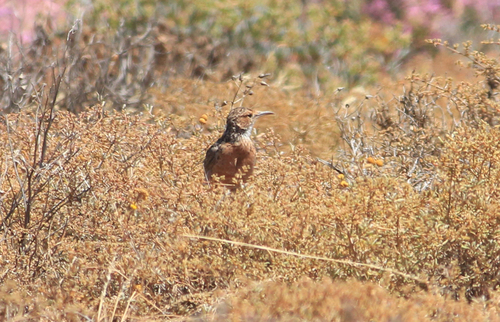 spike-heeled lark
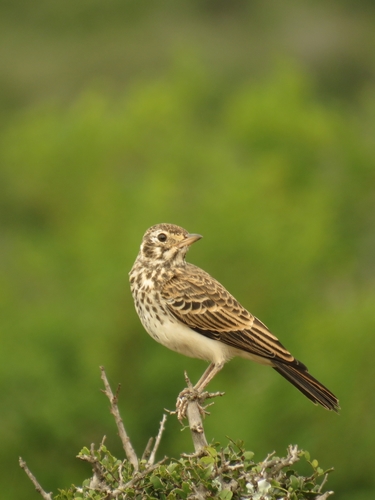 dusky lark
Em resumo
A maneira mais confiável de separar spike-heeled lark de dusky lark é pelo tamanho e estrutura: dusky lark é notavelmente mais pesada e robusta. No campo, spike-heeled lark é menor, mais delicada e frequentemente apresenta um bico mais longo e fino. Ambas as espécies podem ser encontradas no sul da África, mas dusky lark é mais migratória e tende a aparecer em diferentes habitats. Se você ver uma lark que parece incomumente robusta para sua espécie, especialmente com uma construção mais pesada, considere dusky lark. Para aves empoleiradas ou caminhando, concentre-se nas proporções gerais e na forma do bico.
Dicas de identificação
- O tamanho é uma pista importante: Dusky lark é muito mais pesada e robusta do que spike-heeled lark. Se a ave parecer grande para uma lark, favoreça dusky.
- Forma do bico: Spike-heeled lark frequentemente apresenta um bico mais longo, fino e mais curvado, enquanto o bico de dusky lark é proporcionalmente mais curto e robusto. Isso é melhor avaliado em aves empoleiradas ou se alimentando.
- Construção geral: Spike-heeled lark é esbelta e delicada, dusky lark é robusta e atarracada. Compare as proporções da cabeça e do corpo, se possível.
- Tom da plumagem: Dusky lark tende a ser mais escura ou mais sombria no geral, às vezes com um toque de rufo na região do rabo, mas isso é sutil e variável. Spike-heeled lark é geralmente mais clara ou mais quente, às vezes com tons rufos, mas isso nem sempre é óbvio.
- Contexto do habitat: Spike-heeled lark é mais provável de ser encontrada em arbustos secos e gramados sazonalmente úmidos no sul da África. Dusky lark é mais migratória e pode aparecer em uma gama mais ampla de habitats abertos, especialmente durante a migração.
- Distribuição e estação: Se você estiver fora da área de reprodução de spike-heeled lark, especialmente durante períodos de migração, considere dusky lark. Spike-heeled lark é mais residente.
- Comportamento social: Dusky lark pode aparecer em bandos durante a migração; spike-heeled lark é mais frequentemente vista sozinha ou em pares.
- Sem marcas de voo específicas de idade: Nenhuma das espécies tem um padrão de asa superior juvenil ou imaturo distinto descrito nas fontes, então não confie no padrão de voo para separação.
- Voz não diagnóstica: Nenhuma diferença vocal é descrita nas notas disponíveis; não use canção ou chamado para separação, a menos que você tenha experiência local.
- Armadilhas: Ambas as espécies são larks acastanhadas e podem parecer semelhantes à distância ou em luz fraca. Concentre-se no tamanho, estrutura e contexto, em vez de tons sutis de plumagem.
- Quando em dúvida: Se você não puder avaliar o tamanho ou a forma do bico, e a ave não estiver em um contexto claro de habitat ou distribuição, a identificação pode permanecer incerta. Use múltiplas pistas juntas para melhores resultados.
Tamanho
Dusky lark é substancialmente mais pesada (38,0g) do que spike-heeled lark (24,7g) [wikidata]. Essa diferença é frequentemente visível no campo: dusky lark parece mais robusta, com uma estrutura mais forte, enquanto spike-heeled lark é menor e mais leve. Se você ver ambas juntas, a diferença de tamanho é óbvia, mas mesmo sozinha, uma lark que parece grande e atarracada para uma lark do sul da África é provavelmente dusky. Spike-heeled lark é mais delicada e esbelta no geral.
Plumagem
Não há marcas detalhadas, específicas de idade, na asa superior ou no padrão de voo nas notas disponíveis para nenhuma das espécies. Ambas são geralmente larks acastanhadas, mas dusky lark é descrita como 'sombria' ou mais escura no geral, às vezes chamada de 'com rabo rufo.' Spike-heeled lark é frequentemente chamada de 'lark de bico longo rufo,' sugerindo tons mais quentes ou mais rufos, especialmente nas costas ou flancos, mas isso é sutil e variável. Sem descrições mais detalhadas, as diferenças de plumagem não são confiavelmente diagnósticas, especialmente para imaturos ou aves em plumagem desgastada.
Comportamento
Nenhuma diferença comportamental direta é notada nas fontes. Ambas são larks que vivem no chão, típicas de campos abertos. Dusky lark é migratória, então pode aparecer repentinamente em áreas onde não é residente, às vezes em bandos. Spike-heeled lark é mais residente e pode ser vista sozinha ou em pares. No campo, ambas as espécies andam e correm no chão, mas as diferenças comportamentais não são um ponto de separação confiável com base nas notas atuais.
Habitat
Spike-heeled lark é encontrada em arbustos secos subtropicais ou tropicais e gramados de baixa altitude sazonalmente úmidos ou alagados no sul da África [wikipedia]. Dusky lark é nativa do sul da África Central e é migratória, então pode aparecer em uma gama mais ampla de habitats abertos, às vezes fora de sua área de reprodução. Se você estiver em arbustos secos ou gramados sazonalmente úmidos no sul da África, spike-heeled lark é mais provável. Em contextos mais centrais ou migratórios, especialmente durante influxos, dusky lark pode estar presente.