

Motmot

Spike-heeled Lark 対 ウスグロセイタカヒバリ

Chersomanes albofasciata 対 Pinarocorys nigricans

Spike-heeled Larkとウスグロセイタカヒバリのクイズ
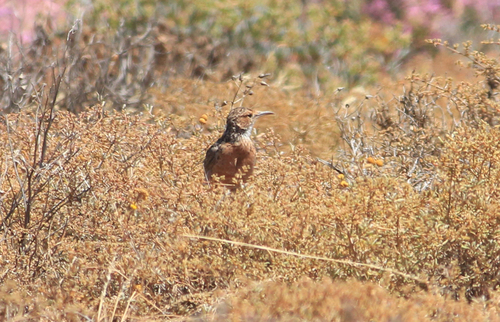
Spike-heeled Lark (Chersomanes albofasciata) Spike-heeled Lark
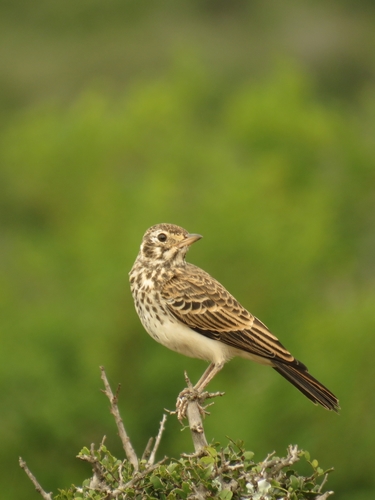
ウスグロセイタカヒバリ (Pinarocorys nigricans) ウスグロセイタカヒバリ

メディア

読み込み中…

要点

Spike-heeled Larkとウスグロセイタカヒバリを分ける最も信頼できる方法は、サイズと構造です:ウスグロセイタカヒバリは明らかに体重が重く、がっしりとしています。フィールドでは、Spike-heeled Larkは小さく、より繊細で、しばしば長くて細いくちばしを示します。両種は南部アフリカで見られますが、ウスグロセイタカヒバリはより移動性が高く、異なる生息地に現れる傾向があります。特に体格が重いと感じるヒバリを見た場合は、ウスグロセイタカヒバリを考慮してください。止まっている鳥や歩いている鳥については、全体の比率とくちばしの形に注目してください。

識別のコツ

  1. Size is a major clue: ウスグロセイタカヒバリはSpike-heeled Larkよりもはるかに重く、がっしりとしています。もしその鳥がヒバリにしては大きく見えるなら、ウスグロセイタカヒバリを優先してください。
  2. Bill shape: Spike-heeled Larkはしばしば長くて細く、より下向きのくちばしを示しますが、ウスグロセイタカヒバリのくちばしは相対的に短くて太いです。これは止まっている鳥や餌を食べている鳥で最もよく判断できます。
  3. Overall build: Spike-heeled Larkは細くて繊細で、ウスグロセイタカヒバリはがっしりとしていて頑丈です。可能であれば、頭と体の比率を比較してください。
  4. Plumage tone: ウスグロセイタカヒバリは全体的に暗いまたは薄暗い傾向があり、時には尻に赤褐色のヒントが見られますが、これは微妙で変動します。Spike-heeled Larkは一般的により明るいまたは暖かい色合いで、時には赤褐色のトーンが見られますが、これは常に明白ではありません。
  5. Habitat context: Spike-heeled Larkは南部アフリカの乾燥した低木地帯や季節的に湿った草地にいる可能性が高いです。ウスグロセイタカヒバリはより移動性が高く、特に移動中にはより広範囲の開けた生息地に現れることがあります。
  6. Range and season: Spike-heeled Larkの繁殖範囲外にいる場合、特に移動期間中はウスグロセイタカヒバリを考慮してください。Spike-heeled Larkはより定住的です。
  7. Social behavior: ウスグロセイタカヒバリは移動中に群れで現れることがありますが、Spike-heeled Larkはより頻繁に単独またはペアで見られます。
  8. No strong age-specific flight marks: どちらの種も、資料に記載された特徴的な幼鳥や未熟な上翼パターンはありませんので、飛行パターンに頼って分けることはできません。
  9. Voice not diagnostic: 利用可能なメモには音声の違いは記載されていませんので、地元の経験がない限り、歌や鳴き声を分けるために使用しないでください。
  10. Pitfalls: 両種は茶色がかったヒバリであり、距離や悪い光の中で似て見えることがあります。微妙な羽色の違いよりも、サイズ、構造、文脈に注目してください。
  11. When in doubt: サイズやくちばしの形を判断できず、鳥が明確な生息地や範囲の文脈にない場合、同定は不確実なままかもしれません。最良の結果を得るために、複数の手がかりを組み合わせて使用してください。

大きさ

ウスグロセイタカヒバリはSpike-heeled Larkよりもかなり重い(38.0g対24.7g)です [wikidata]。この違いはフィールドでしばしば目に見えます:ウスグロセイタカヒバリはがっしりとしており、より頑丈なフレームを持っていますが、Spike-heeled Larkは小さく、より軽やかに作られています。両方を一緒に見ると、サイズの差は明らかですが、単独でも、南部アフリカのヒバリにしては大きくてがっしりとしたヒバリはおそらくウスグロセイタカヒバリです。Spike-heeled Larkは全体的により繊細で細身です。

羽色

利用可能なメモには、どちらの種についても詳細な年齢特有の上翼や飛行パターンのマークはありません。両方とも一般的に茶色がかったヒバリですが、ウスグロセイタカヒバリは全体的に「薄暗い」またはより暗いと記述されており、時には「赤褐色の尻」と呼ばれます。Spike-heeled Larkはしばしば「赤褐色の長くくちばしのヒバリ」と呼ばれ、特に背中や側面に暖かいまたは赤褐色のトーンを示唆しますが、これは微妙で変動します。より詳細な説明がない限り、羽毛の違いは信頼できる診断にはなりません、特に未熟な個体や羽毛が擦り切れた鳥に対しては。

行動

資料には直接的な行動の違いは記載されていません。両方とも開けた国に典型的な地上に生息するヒバリです。ウスグロセイタカヒバリは移動性があり、定住していない地域に突然現れることがあり、時には群れで現れます。Spike-heeled Larkはより定住的で、単独またはペアで見られることがあります。フィールドでは、両種は地面を歩いたり走ったりしますが、行動の違いは現在のメモに基づいて信頼できる分け方ではありません。

生息環境

Spike-heeled Larkは南部アフリカの亜熱帯または熱帯の乾燥した低木地帯や季節的に湿ったまたは洪水の低地草地に見られます [wikipedia]。ウスグロセイタカヒバリは南部中央アフリカに自生し、移動性があるため、繁殖範囲外のより広範囲の開けた生息地に現れることがあります。南部アフリカの乾燥した低木地帯や季節的に湿った草地にいる場合、Spike-heeled Larkの方が可能性が高いです。より中央または移動性の文脈、特に流入中には、ウスグロセイタカヒバリが存在するかもしれません。

より良い説明を送る

比較と同じ項目を使ってください。文章はすぐに公開されます。

The most reliable way to separate Spike-heeled Lark from Dusky Lark is by size and structure: Dusky Lark is noticeably heavier-bodied and bulkier. In the field, Spike-heeled Lark is smaller, more delicate, and often shows a longer, finer bill. Both species can be found in southern Africa, but Dusky Lark is more migratory and tends to appear in different habitats. If you see a lark that looks unusually robust for its kind, especially with a heavier build, consider Dusky Lark. For perched or walking birds, focus on overall proportions and bill shape.

  1. Size is a major clue: Dusky Lark is much heavier and bulkier than Spike-heeled Lark. If the bird looks large for a lark, favor Dusky.
  2. Bill shape: Spike-heeled Lark often shows a longer, finer, and more decurved bill, while Dusky Lark's bill is proportionally shorter and stouter. This is best judged on perched or feeding birds.
  3. Overall build: Spike-heeled Lark is slender and delicate, Dusky Lark is robust and stocky. Compare head and body proportions if possible.
  4. Plumage tone: Dusky Lark tends to be darker or duskier overall, sometimes with a hint of rufous on the rump, but this is subtle and variable. Spike-heeled Lark is generally paler or warmer, sometimes with rufous tones, but this is not always obvious.
  5. Habitat context: Spike-heeled Lark is more likely in dry shrubland and seasonally wet grassland in southern Africa. Dusky Lark is more migratory and may appear in a wider range of open habitats, especially during migration.
  6. Range and season: If you are outside the breeding range of Spike-heeled Lark, especially during migration periods, consider Dusky Lark. Spike-heeled Lark is more resident.
  7. Social behavior: Dusky Lark may appear in flocks during migration; Spike-heeled Lark is more often seen singly or in pairs.
  8. No strong age-specific flight marks: Neither species has a distinctive juvenile or immature upperwing pattern described in the sources, so do not rely on flight pattern for separation.
  9. Voice not diagnostic: No vocal differences are described in the available notes; do not use song or call for separation unless you have local experience.
  10. Pitfalls: Both species are brownish larks and can look similar at a distance or in poor light. Focus on size, structure, and context rather than subtle plumage shades.
  11. When in doubt: If you cannot judge size or bill shape, and the bird is not in a clear habitat or range context, identification may remain uncertain. Use multiple clues together for best results.

Dusky Lark is substantially heavier (38.0g) than Spike-heeled Lark (24.7g) [wikidata]. This difference is often visible in the field: Dusky Lark appears bulkier, with a more robust frame, while Spike-heeled Lark is smaller and more lightly built. If you see both together, the size gap is obvious, but even singly, a lark that feels large and stocky for a southern African lark is likely Dusky. Spike-heeled Lark is more delicate and slender overall.

There are no detailed, age-specific upperwing or flight pattern marks in the available notes for either species. Both are generally brownish larks, but Dusky Lark is described as 'dusky' or darker overall, sometimes called 'rufous-rumped.' Spike-heeled Lark is often called 'rufous long-billed lark,' suggesting warmer or more rufous tones, especially on the back or flanks, but this is subtle and variable. Without more detailed descriptions, plumage differences are not reliably diagnostic, especially for immatures or birds in worn plumage.

No direct behavioral differences are noted in the sources. Both are ground-dwelling larks typical of open country. Dusky Lark is migratory, so may appear suddenly in areas where it is not resident, sometimes in flocks. Spike-heeled Lark is more resident and may be seen singly or in pairs. In the field, both species walk and run on the ground, but behavioral differences are not a reliable separation point based on current notes.

Spike-heeled Lark is found in subtropical or tropical dry shrubland and seasonally wet or flooded lowland grassland in southern Africa [wikipedia]. Dusky Lark is native to southern Central Africa and is migratory, so it may turn up in a wider range of open habitats, sometimes outside its breeding range. If you are in dry shrubland or seasonally wet grassland in southern Africa, Spike-heeled Lark is more likely. In more central or migratory contexts, especially during influxes, Dusky Lark may be present.

変更を破棄しますか?

保存していない編集があります。今離れると失われます。

Spike-heeled Lark · ウスグロセイタカヒバリ · 苦手な鳥