

spike-heeled lark vs cape long-billed lark
Chersomanes albofasciata versus Certhilauda curvirostris
Jogue um quiz com spike-heeled lark e cape long-billed lark
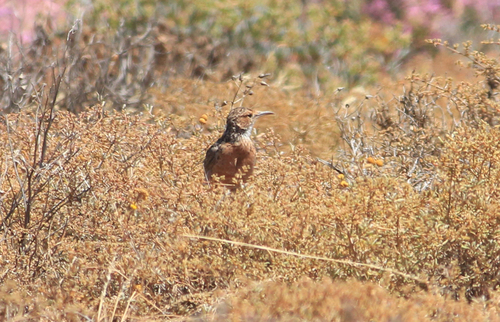 spike-heeled lark
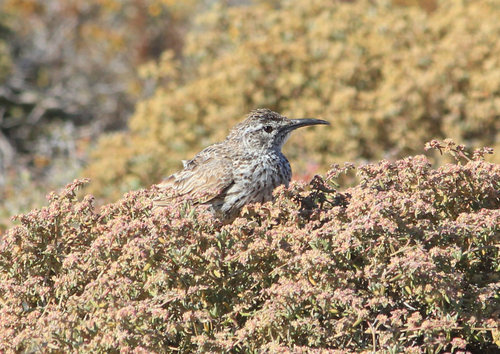 cape long-billed lark
Em resumo
A separação mais confiável em campo entre spike-heeled lark e cape long-billed lark é estrutural: spike-heeled lark é distintamente menor e mais compacta, com um bico proporcionalmente mais curto e reto, enquanto cape long-billed lark é maior e notavelmente de bico longo com uma curva acentuada para baixo. Ambas as espécies podem mostrar considerável variação de plumagem em suas muitas subespécies, mas a diferença na forma e tamanho do bico é consistente. No campo, fique atento para diferenças no comportamento—spike-heeled lark parece mais ereta e compacta, enquanto cape long-billed lark é mais esguia e robusta. A sobreposição de habitat é possível, mas cape long-billed lark está mais ligada ao Karoo e ao fynbos costeiro, enquanto spike-heeled lark prefere campos de grama mais secos e arbustos. A plumagem sozinha muitas vezes é pouco confiável devido à sobreposição e variação local, então concentre-se na estrutura e no contexto.
Dicas de identificação
- Forma e comprimento do bico: Spike-heeled lark tem um bico mais curto, reto e mais grosso; o bico de cape long-billed lark é muito mais longo, mais curvado e muitas vezes parece quase em forma de foice. Esta é a marca de campo mais confiável para todas as idades e estações.
- Tamanho geral e comportamento: Spike-heeled lark é menor e mais compacta, muitas vezes com uma postura mais ereta. Cape long-billed lark é maior, mais robusta e com cauda mais longa, com uma postura mais horizontal.
- Proporções da cauda e das asas: Cape long-billed lark tem uma cauda e asas mais longas em relação ao tamanho do corpo, dando-lhe uma aparência esticada, especialmente em voo. Spike-heeled lark tem cauda mais curta e é mais compacta.
- Variação de plumagem: Ambas as espécies são variáveis, mas spike-heeled lark pode mostrar tons mais quentes e ruivos em algumas populações, enquanto cape long-billed lark pode ser mais pálida ou acinzentada. No entanto, isso não é confiável devido à sobreposição e variação subspecífica.
- Marcas de voo juvenil/imaturo: Nenhuma diferença distintiva de padrão de asa ou de voo juvenil ou imaturo é documentada entre essas duas espécies. Não confie no padrão de asa para separação.
- Contexto de habitat: Se estiver no Karoo ou no fynbos costeiro, especialmente no sudoeste da África do Sul, é mais provável que seja cape long-billed lark. Em campos de grama mais secos ou arbustos, especialmente fora do Karoo, é mais provável que seja spike-heeled lark. No entanto, as faixas podem se sobrepor, então use com cautela.
- Comportamento: Spike-heeled lark é mais propensa a correr ou andar em curtas distâncias, muitas vezes balançando a cauda, e se assusta mais facilmente. Cape long-billed lark é mais pesada, se move de forma mais deliberada e pode ser menos propensa a se assustar.
- Postura empoleirada: Spike-heeled lark muitas vezes parece mais ereta e alerta; cape long-billed lark é mais horizontal e alongada.
- Cor e contraste do bico: Ambas as espécies podem mostrar bicos pálidos ou da cor do chifre, mas o comprimento e a curvatura são mais importantes do que a cor para a identificação.
- Voz: Não é diagnóstica com base nas fontes disponíveis; não confie em canções ou chamadas para separação em campo.
- Sexo e estação: Não há dimorfismo sexual forte ou mudança de plumagem sazonal para ajudar na separação; ambos os sexos e todas as estações são melhor separados pela estrutura.
- Armadilhas: Cuidado com a variação local e sobreposição nos tons de plumagem; não confie apenas na cor. Pássaros imaturos não são separáveis de forma confiável pela plumagem ou padrão de asa.
- Comparação lado a lado: Se ambas as espécies estiverem presentes, as diferenças de tamanho e bico são óbvias. Quando sozinha, concentre-se na forma do bico e nas proporções gerais.
- Confusão de subespécies: Ambas as espécies têm múltiplas subespécies com variação local; sempre priorize a estrutura em relação à plumagem.
- Dica de resumo: Se você ver um bico longo e fortemente curvado em uma grande e pálida lark no Karoo ou fynbos, é cape long-billed lark. Se o pássaro for menor, mais compacto, com um bico mais curto e reto em campo de grama mais seco ou arbustos, é spike-heeled lark.
Tamanho
Spike-heeled lark é significativamente menor, com uma massa corporal adulta de cerca de 24,7g [wikidata]. Cape long-billed lark é maior e mais pesada (sem massa precisa dada, mas consistentemente descrita como uma grande lark). No campo, cape long-billed lark parece mais robusta, com um corpo e cauda mais longos. A diferença é especialmente aparente quando ambas as espécies são vistas lado a lado, mas mesmo sozinha, o tamanho e o comprimento do bico de cape long-billed lark são impressionantes em comparação com a mais delicada spike-heeled lark.
Plumagem
Não há diferenças bem documentadas, específicas por idade, no padrão de asa ou de voo entre essas duas espécies nas fontes disponíveis. Ambas mostram considerável variação de plumagem em suas muitas subespécies, com tons ruivos, arenosos ou acinzentados, e ambas podem aparecer listradas ou lisas dependendo da idade e da região. Plumagens juvenis e imaturas não são descritas como separáveis de forma confiável em voo ou empoleiradas. Adultos spike-heeled larks podem parecer ligeiramente mais quentes ou mais ruivos em algumas populações, enquanto cape long-billed lark pode ser mais pálida ou acinzentada, mas isso não é consistente o suficiente para uma identificação confiante. Em resumo, a plumagem é altamente variável e é melhor usada apenas em conjunto com características estruturais.
Comportamento
Spike-heeled lark muitas vezes parece mais ereta e alerta, com uma tendência a correr ou andar em curtas distâncias, às vezes balançando a cauda. Cape long-billed lark é mais propensa a parecer de corpo pesado e deliberada em seus movimentos, muitas vezes forrageando no chão em uma postura mais horizontal. Ambas as espécies são terrestres e podem ser secretivas, mas cape long-billed lark pode ser menos propensa a se assustar a curta distância. Em voo, cape long-billed lark parece ter asas e cauda mais longas, enquanto spike-heeled lark é mais compacta e ágil.
Habitat
Spike-heeled lark é encontrada em uma variedade de habitats secos e abertos em toda a África do Sul, preferindo arbustos secos subtropicais ou tropicais e campos de grama sazonalmente úmidos ou alagados [wikipedia]. Cape long-billed lark é mais localizada no sudoeste da África, especialmente no semiárido Karoo, fynbos costeiro e campos de grama secos de baixa altitude ou highveld [wikipedia]. Ambas podem ocorrer em áreas agrícolas, mas cape long-billed lark está mais associada ao Karoo e fynbos, enquanto spike-heeled lark é mais disseminada em campos de grama secos e abertos e arbustos. O habitat sozinho não é diagnóstico onde as faixas se sobrepõem, mas pode apoiar uma identificação quando combinado com a estrutura.
spike-heeled lark · cape long-billed lark · Minhas aves difíceis