

Motmot

Spike-heeled Lark 対 Cape Long-billed Lark

Chersomanes albofasciata 対 Certhilauda curvirostris

Spike-heeled LarkとCape Long-billed Larkのクイズ
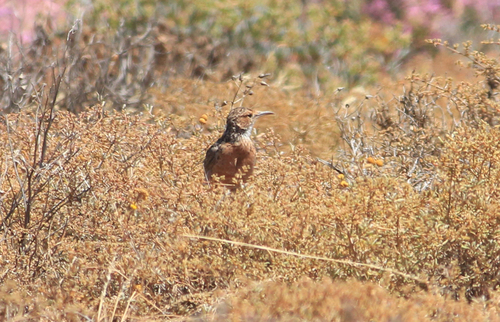
Spike-heeled Lark (Chersomanes albofasciata) Spike-heeled Lark
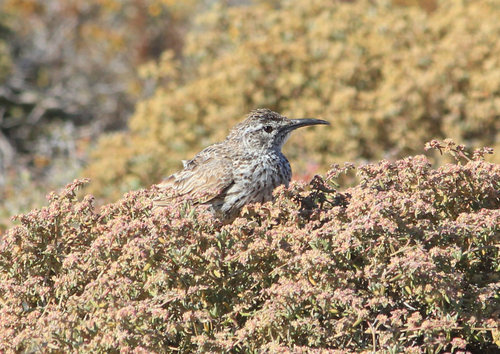
Cape Long-billed Lark (Certhilauda curvirostris) Cape Long-billed Lark

メディア

読み込み中…

要点

スパイクヒールヒバリとケープロングビルヒバリの最も信頼できるフィールドでの区別は構造的です:スパイクヒールヒバリは明らかに小さく、よりコンパクトで、比例的に短く、まっすぐなくちばしを持っています。一方、ケープロングビルヒバリは大きく、顕著に長いくちばしを持ち、下向きに曲がっています。両種は多くの亜種にわたってかなりの羽毛の変異を示すことがありますが、くちばしの形状とサイズの違いは一貫しています。フィールドでは、ジズの違いに注意してください—スパイクヒールヒバリはより直立してコンパクトに見え、ケープロングビルヒバリはより長くてずんぐりした印象を与えます。生息地の重複は可能ですが、ケープロングビルヒバリはカロと沿岸ファインボスにより関連し、スパイクヒールヒバリは乾燥した草原や低木地を好みます。羽毛だけでは重複や地域変異のために信頼できないことが多いため、構造と文脈に焦点を当ててください。

識別のコツ

  1. くちばしの形と長さ: スパイクヒールヒバリは短く、まっすぐで、太いくちばしを持っています。ケープロングビルヒバリのくちばしははるかに長く、より下向きに曲がっており、しばしばほぼ鎌状に見えます。これはすべての年齢と季節において最も信頼できるフィールドマークです。
  2. 全体のサイズとジズ: スパイクヒールヒバリは小さく、よりコンパクトで、しばしばより直立した姿勢を持っています。ケープロングビルヒバリは大きく、ずんぐりしており、尾が長く、より水平な姿勢を持っています。
  3. 尾と翼の比率: ケープロングビルヒバリは体のサイズに対して尾と翼が長く、特に飛行中に伸びた印象を与えます。スパイクヒールヒバリは尾が短く、よりコンパクトです。
  4. 羽毛の変異: 両種は変異がありますが、スパイクヒールヒバリは一部の個体群でより暖かい赤褐色のトーンを示すことがあり、ケープロングビルヒバリはより淡いまたは灰色がかっていることがあります。しかし、これは重複や亜種の変異のために信頼できません。
  5. 幼鳥/未成熟の飛行マーク: これらの2種の間で特有の幼鳥または未成熟の上翼や飛行パターンの違いは文書化されていません。区別のために翼のパターンに頼らないでください。
  6. 生息地の文脈: カロまたは沿岸ファインボスにいる場合、特に南アフリカ南西部では、ケープロングビルヒバリの可能性が高いです。乾燥した草原や低木地にいる場合、特にカロの外では、スパイクヒールヒバリの可能性が高いです。しかし、範囲が重なることがあるため、注意して使用してください。
  7. 行動: スパイクヒールヒバリは短いバーストで走ったり歩いたりする可能性が高く、しばしば尾をひらひらさせ、より容易に飛び立ちます。ケープロングビルヒバリは重く、より慎重に動き、飛び立つ可能性が低いです。
  8. 止まっている姿勢: スパイクヒールヒバリはしばしばより直立して警戒しているように見え、ケープロングビルヒバリはより水平で細長いです。
  9. くちばしの色とコントラスト: 両種は淡いまたは角質の色のくちばしを示すことがありますが、識別には色よりも長さと曲がりが重要です。
  10. 声: 利用可能な情報源に基づいて診断的ではありません。フィールドでの区別のために歌や鳴き声に頼らないでください。
  11. 性別と季節: 区別を助けるための強い性的二形性や季節的な羽毛の変化はありません。両性別とすべての季節は構造によって最もよく区別されます。
  12. 落とし穴: 羽毛のトーンにおける地域変異と重複に注意してください。色だけに頼らないでください。未成熟の鳥は羽毛や翼のパターンによって信頼できるようには区別できません。
  13. 並べて比較: 両種が存在する場合、サイズとくちばしの違いは明らかです。一方で、くちばしの形と全体の比率に焦点を当ててください。
  14. 亜種の混乱: 両種は地域変異のある複数の亜種を持っています。常に羽毛よりも構造を優先してください。
  15. 要約のヒント: カロまたはファインボスで大きく、淡いヒバリに長く、強く下向きに曲がったくちばしを見たら、それはケープロングビルヒバリです。鳥が小さく、よりコンパクトで、乾燥した草原や低木地で短く、まっすぐなくちばしを持っている場合、それはスパイクヒールヒバリです。

大きさ

スパイクヒールヒバリは明らかに小さく、成鳥の体重は約24.7gです [wikidata]。ケープロングビルヒバリは大きく、重いです(正確な体重は示されていませんが、一貫して大きなヒバリとして説明されています)。フィールドでは、ケープロングビルヒバリはずんぐりして見え、体と尾が長いです。両種が並んで見られるとき、違いは特に明らかですが、単独でもケープロングビルヒバリのサイズとくちばしの長さは、より華奢なスパイクヒールヒバリと比較して際立っています。

羽色

利用可能な情報源には、これらの2種の間で年齢特有の上翼や飛行パターンの違いがよく文書化されていません。両種は多くの亜種にわたってかなりの羽毛の変異を示し、赤褐色、砂色、または灰色がかったトーンを持ち、年齢や地域によってストライプ状または無地に見えることがあります。幼鳥と未成熟の羽毛は、飛行中または止まっているときに信頼できるようには区別できないとされています。成鳥のスパイクヒールヒバリは、一部の個体群でわずかに暖かいまたは赤褐色に見えることがありますが、ケープロングビルヒバリはより淡いまたは灰色がかっていることがありますが、これは自信を持って識別するには一貫性がありません。要約すると、羽毛は非常に変動が大きく、構造的特徴と併せて使用するのが最良です。

行動

スパイクヒールヒバリはしばしばより直立して警戒しているように見え、短いバーストで走ったり歩いたりする傾向があり、時々尾をひらひらさせます。ケープロングビルヒバリは重い体に見え、動きが慎重で、しばしばより水平な姿勢で地面で餌を探します。両種は地上性であり、秘密主義的であることがありますが、ケープロングビルヒバリは近距離での飛び立ちが少ないかもしれません。飛行中、ケープロングビルヒバリはより長い翼と尾を持ち、スパイクヒールヒバリはよりコンパクトで敏捷です。

生息環境

スパイクヒールヒバリは南アフリカの乾燥した開けた生息地の範囲に見られ、亜熱帯または熱帯の乾燥した低木地や季節的に湿ったまたは洪水の草原を好みます [wikipedia]。ケープロングビルヒバリは南西アフリカにより局所化されており、特に半乾燥のカロ、沿岸ファインボス、および乾燥した低地またはハイヴェルドの草原に見られます [wikipedia]。両種は農業地域にも出現することがありますが、ケープロングビルヒバリはカロとファインボスにより密接に関連し、スパイクヒールヒバリはより乾燥した開けた草原や低木地に広く分布しています。生息地だけでは範囲が重なる場合に診断的ではありませんが、構造と組み合わせることで識別をサポートできます。

より良い説明を送る

比較と同じ項目を使ってください。文章はすぐに公開されます。

The most reliable field separation between Spike-heeled Lark and Cape Long-billed Lark is structural: Spike-heeled Lark is distinctly smaller and more compact, with a proportionally shorter, straighter bill, while Cape Long-billed Lark is larger and notably long-billed with a pronounced downcurve. Both species can show considerable plumage variation across their many subspecies, but the bill shape and size difference are consistent. In the field, be alert for differences in jizz—Spike-heeled Lark appears more upright and compact, whereas Cape Long-billed Lark is rangier and bulkier. Habitat overlap is possible, but Cape Long-billed Lark is more tied to the Karoo and coastal fynbos, while Spike-heeled Lark favors drier grasslands and shrublands. Plumage alone is often unreliable due to overlap and local variation, so focus on structure and context.

  1. Bill shape and length: Spike-heeled Lark has a shorter, straighter, and stubbier bill; Cape Long-billed Lark's bill is much longer, more decurved, and often appears almost sickle-shaped. This is the single most reliable field mark for all ages and seasons.
  2. Overall size and jizz: Spike-heeled Lark is smaller and more compact, often with a more upright stance. Cape Long-billed Lark is larger, bulkier, and longer-tailed, with a more horizontal posture.
  3. Tail and wing proportions: Cape Long-billed Lark has a longer tail and wings relative to body size, giving it a stretched appearance, especially in flight. Spike-heeled Lark is shorter-tailed and more compact.
  4. Plumage variation: Both species are variable, but Spike-heeled Lark may show warmer, rufous tones in some populations, while Cape Long-billed Lark can be paler or greyer. However, this is not reliable due to overlap and subspecific variation.
  5. Juvenile/immature flight marks: No distinctive juvenile or immature upperwing or flight pattern differences are documented between these two species. Do not rely on wing pattern for separation.
  6. Habitat context: If in Karoo or coastal fynbos, especially in southwestern South Africa, Cape Long-billed Lark is more likely. In drier grasslands or shrubland, especially outside the Karoo, Spike-heeled Lark is more likely. However, ranges can overlap, so use with caution.
  7. Behavior: Spike-heeled Lark is more likely to run or walk in short bursts, often flicking its tail, and flushes more readily. Cape Long-billed Lark is heavier, moves more deliberately, and may be less prone to flush.
  8. Perched posture: Spike-heeled Lark often appears more upright and alert; Cape Long-billed Lark is more horizontal and elongated.
  9. Bill color and contrast: Both species can show pale or horn-colored bills, but the length and curvature are more important than color for ID.
  10. Voice: Not diagnostic based on available sources; do not rely on song or call for separation in the field.
  11. Sex and season: No strong sexual dimorphism or seasonal plumage change to aid separation; both sexes and all seasons are best separated by structure.
  12. Pitfalls: Beware of local variation and overlap in plumage tones; do not rely on color alone. Immature birds are not reliably separable by plumage or wing pattern.
  13. Side-by-side comparison: If both species are present, the size and bill differences are obvious. When alone, focus on bill shape and overall proportions.
  14. Subspecies confusion: Both species have multiple subspecies with local variation; always prioritize structure over plumage.
  15. Summary tip: If you see a long, strongly decurved bill on a large, pale lark in the Karoo or fynbos, it's Cape Long-billed Lark. If the bird is smaller, more compact, with a shorter, straighter bill in drier grassland or shrubland, it's Spike-heeled Lark.

Spike-heeled Lark is significantly smaller, with an adult body mass of about 24.7g [wikidata]. Cape Long-billed Lark is larger and heavier (no precise mass given, but consistently described as a large lark). In the field, Cape Long-billed Lark looks bulkier, with a longer body and tail. The difference is especially apparent when both species are seen side by side, but even singly, the Cape Long-billed Lark's size and bill length are striking compared to the daintier Spike-heeled Lark.

There are no well-documented, age-specific upperwing or flight pattern differences between these two species in the available sources. Both show considerable plumage variation across their many subspecies, with rufous, sandy, or greyish tones, and both can appear streaked or plain depending on age and region. Juvenile and immature plumages are not described as reliably separable in flight or perched. Adult Spike-heeled Larks may appear slightly warmer or more rufous in some populations, while Cape Long-billed Lark can be paler or greyer, but this is not consistent enough for confident ID. In summary, plumage is highly variable and best used only in conjunction with structural features.

Spike-heeled Lark often appears more upright and alert, with a tendency to run or walk in short bursts, sometimes flicking its tail. Cape Long-billed Lark is more likely to appear heavy-bodied and deliberate in its movements, often foraging on the ground in a more horizontal posture. Both species are terrestrial and can be secretive, but Cape Long-billed Lark may be less prone to flushing at close range. In flight, Cape Long-billed Lark appears longer-winged and longer-tailed, while Spike-heeled Lark is more compact and agile.

Spike-heeled Lark is found in a range of dry, open habitats across southern Africa, favoring subtropical or tropical dry shrubland and seasonally wet or flooded grassland [wikipedia]. Cape Long-billed Lark is more localized to southwestern Africa, especially the semi-arid Karoo, coastal fynbos, and dry lowland or highveld grasslands [wikipedia]. Both can occur in agricultural areas, but Cape Long-billed Lark is more closely associated with the Karoo and fynbos, while Spike-heeled Lark is more widespread in drier, open grasslands and shrubland. Habitat alone is not diagnostic where ranges overlap, but can support an ID when combined with structure.

変更を破棄しますか?

保存していない編集があります。今離れると失われます。

Spike-heeled Lark · Cape Long-billed Lark · 苦手な鳥