

trinta-réis-das-rocas vs gray-backed tern
Onychoprion fuscatus versus Onychoprion lunatus
Jogue um quiz com trinta-réis-das-rocas e gray-backed tern
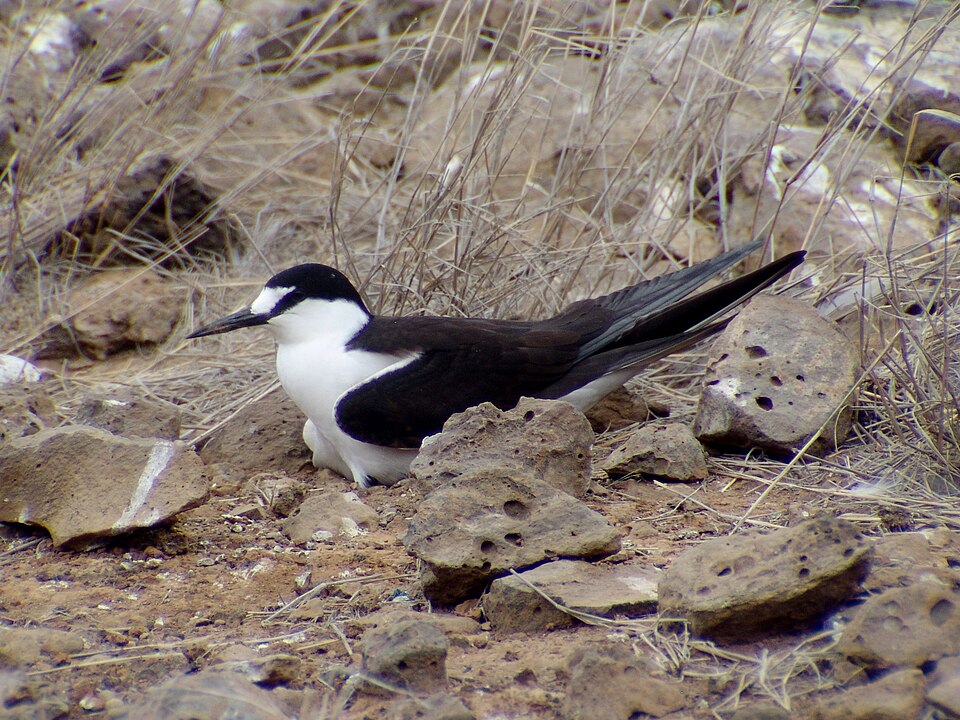 trinta-réis-das-rocas
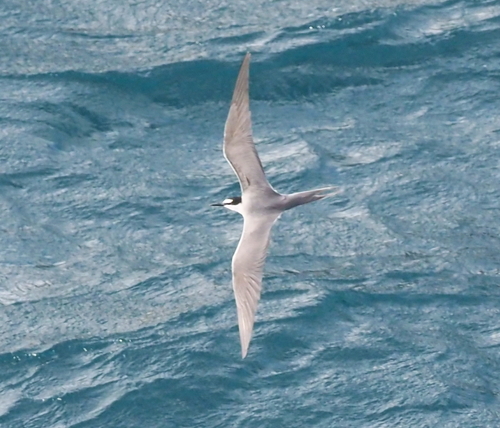 gray-backed tern
Em resumo
A marca de campo mais confiável para separar o trinta-réis-das-rocas do gray-backed tern é a cor das partes superiores: o trinta-réis-das-rocas tem partes superiores pretas a muito escuras, castanho-escuro, enquanto o gray-backed tern tem um dorso distintamente cinza. Ambas as espécies têm partes inferiores brancas e uma testa branca, mas as partes superiores do trinta-réis-das-rocas são muito mais escuras no geral. Os juvenis do trinta-réis-das-rocas parecem mais escuros e mais uniformemente escuros acima do que o gray-backed tern, que sempre apresenta um dorso mais claro, em tom cinza. Em voo ou em repouso, verifique a cor do dorso e a presença ou ausência de um colar de pescoço pálido (presente no gray-backed, ausente no trinta-réis-das-rocas). As diferenças estruturais são sutis, então concentre-se na plumagem, especialmente em luz intensa.
Dicas de identificação
- A cor do dorso é fundamental: O trinta-réis-das-rocas sempre tem partes superiores pretas a muito escuras, castanho-escuro; o gray-backed tern tem um dorso distintamente cinza. Esta é a marca de campo mais confiável em todas as idades e em todas as estações.
- Contraste juvenil/imaturo: Os jovens trinta-réis-das-rocas são muito escuros acima com um padrão escamoso e apenas a parte inferior do ventre é pálida; os juvenis do gray-backed tern são sempre mais claros acima, com um dorso cinza (não preto). Se o pássaro parecer quase totalmente escuro acima, é um trinta-réis-das-rocas.
- Testa e face: Ambos têm uma testa branca, mas a do trinta-réis-das-rocas é mais larga e não possui uma linha ocular preta. O gray-backed tern apresenta uma linha ocular preta do bico até a nuca, dando uma aparência 'de óculos'.
- Colar de pescoço: O trinta-réis-das-rocas nunca apresenta um colar de pescoço pálido; o gray-backed tern pode mostrar um leve colar pálido devido ao contraste entre o dorso cinza e o pescoço branco. Se você ver um colar pálido, não é um trinta-réis-das-rocas.
- Formato da cauda: Ambos têm caudas moderadamente bifurcadas, mas isso não é um separador confiável entre essas duas espécies.
- Partes inferiores: Ambas as espécies têm partes inferiores brancas como adultos, mas os juvenis do trinta-réis-das-rocas são mais escuros abaixo, exceto pela parte inferior do ventre.
- Asas superiores em voo: O trinta-réis-das-rocas é muito mais escuro acima em todas as plumagens; a asa superior do gray-backed tern é mais clara, combinando com o manto cinza.
- Bico e pernas: Ambos têm bicos e pernas pretos; essas características não são úteis para separação.
- Tamanho: O trinta-réis-das-rocas é médio-grande, semelhante ao trinta-réis-de-bando; o gray-backed tern é semelhante, mas possivelmente um pouco menor. A sobreposição de tamanho é substancial, então não confie nisso.
- Comportamento: Ambos são altamente pelágicos, mas o trinta-réis-das-rocas é mais provável de ser visto em grandes colônias barulhentas. O gray-backed tern é menos numeroso e menos frequentemente encontrado.
- Habitat: Ambas as espécies nidificam em ilhas tropicais e são oceânicas, mas o trinta-réis-das-rocas é muito mais disseminado e abundante.
- Voz: O trinta-réis-das-rocas tem um chamado distinto e alto; não há informações disponíveis para o gray-backed tern, então não use a voz para separação, a menos que o chamado do trinta-réis-das-rocas seja ouvido.
- Armadilha – iluminação: Em luz fraca, o dorso do gray-backed tern pode parecer escuro, mas nunca tão preto quanto o trinta-réis-das-rocas. Sempre tente avaliar a cor do dorso em boa luz.
- Armadilha – confusão com o garajau-de-dorso-castanho: Ambas as espécies podem ser confundidas com o garajau-de-dorso-castanho, mas o trinta-réis-das-rocas é mais escuro e não possui um colar pálido; o gray-backed tern é mais claro acima do que ambos.
- Contexto: Se visto longe da terra, ambos são possíveis, mas o trinta-réis-das-rocas é muito mais provável na maioria dos oceanos tropicais.
Tamanho
Ambas as espécies são trinta-réis de tamanho médio-grande, mas o trinta-réis-das-rocas é semelhante em tamanho ao trinta-réis-de-bando (36–45 cm de comprimento, 82–94 cm de envergadura) [wikipedia]. Não há figuras de tamanho diretas para o gray-backed tern nas notas, mas é implícito que seja semelhante, possivelmente um pouco menor, pois é descrito como menos robusto do que o trinta-réis-das-rocas em algumas referências. No campo, o tamanho não é um separador confiável entre esses dois, pois a sobreposição é substancial e ambos têm asas e caudas longas.
Plumagem
-
Pássaros juvenis/imaturos: Os juvenis do trinta-réis-das-rocas são muito escuros, cinza-preto acima e abaixo, com bordas pálidas estreitas nas penas das partes superiores, dando uma aparência escamosa nas costas e asas. A barriga é esbranquiçada, mas o resto das partes inferiores é escuro. Os juvenis do gray-backed tern não são descritos em detalhes nas notas, mas a principal diferença é que mesmo os jovens têm um dorso cinza (não preto) e não apresentam a escuridão geral do trinta-réis-das-rocas. Se você ver um trinta-réis com dorso escamoso e muito escuro, com apenas a parte inferior do ventre pálida, é um trinta-réis-das-rocas.
-
Adultos: Os adultos do trinta-réis-das-rocas têm partes superiores pretas a castanho-escuro, uma testa branca larga e partes inferiores brancas. A cauda é moderadamente bifurcada e preta com bordas brancas externas. Os adultos do gray-backed tern têm um dorso cinza (nunca preto), partes inferiores brancas e uma linha ocular preta que vai do bico através do olho até a parte de trás da cabeça. Ambos têm uma testa branca, mas a do trinta-réis-das-rocas é mais larga e não possui a linha ocular escura. O trinta-réis-das-rocas nunca apresenta um colar de pescoço pálido, enquanto o gray-backed tern pode mostrar um leve efeito de colar pálido devido ao contraste entre o dorso cinza e o pescoço branco.
-
Visões de voo: Ambas as espécies têm asas e caudas longas, mas a escuridão da asa superior e do manto é diagnóstica: o trinta-réis-das-rocas é muito mais escuro acima em todas as idades.
Comportamento
Ambas as espécies são altamente pelágicas, passando a maior parte de suas vidas no mar e vindo à terra apenas para nidificar. O trinta-réis-das-rocas é conhecido por seus hábitos extremamente marinhos, raramente vindo à terra exceto para nidificação, e pode passar anos continuamente em voo. O gray-backed tern também é oceânico, mas é menos estudado; seu comportamento geral é semelhante. Ambos pegam peixes da superfície do mar. O trinta-réis-das-rocas é mais provável de ser visto em grandes colônias barulhentas, enquanto o gray-backed tern é menos comum e menos conhecido em seus hábitos de nidificação.
Habitat
Ambas as espécies nidificam em ilhas tropicais e são encontradas sobre oceanos tropicais. O trinta-réis-das-rocas é extremamente pelágico e raramente é visto em terra, exceto após tempestades; ele nidifica em grandes colônias em ilhas rochosas ou de coral. O gray-backed tern ocupa habitats semelhantes, mas é menos numeroso e menos frequentemente encontrado. O trinta-réis-das-rocas é mais disseminado e abundante, especialmente nos oceanos Atlântico e Índico, enquanto o gray-backed tern é menos comum e mais localizado.
Voz
O trinta-réis-das-rocas tem um chamado alto e penetrante 'wide-a-wake' ou 'ker-wack-a-wack', além de um alarmante 'kvaark'. Não há detalhes de vocalização fornecidos para o gray-backed tern nas notas, então a voz não é um separador confiável com base nas informações disponíveis.
trinta-réis-das-rocas · gray-backed tern · Minhas aves difíceis