

Charrán Sombrío vs Charrán Lunado
Onychoprion fuscatus frente a Onychoprion lunatus
Juega un quiz con Charrán Sombrío y Charrán Lunado
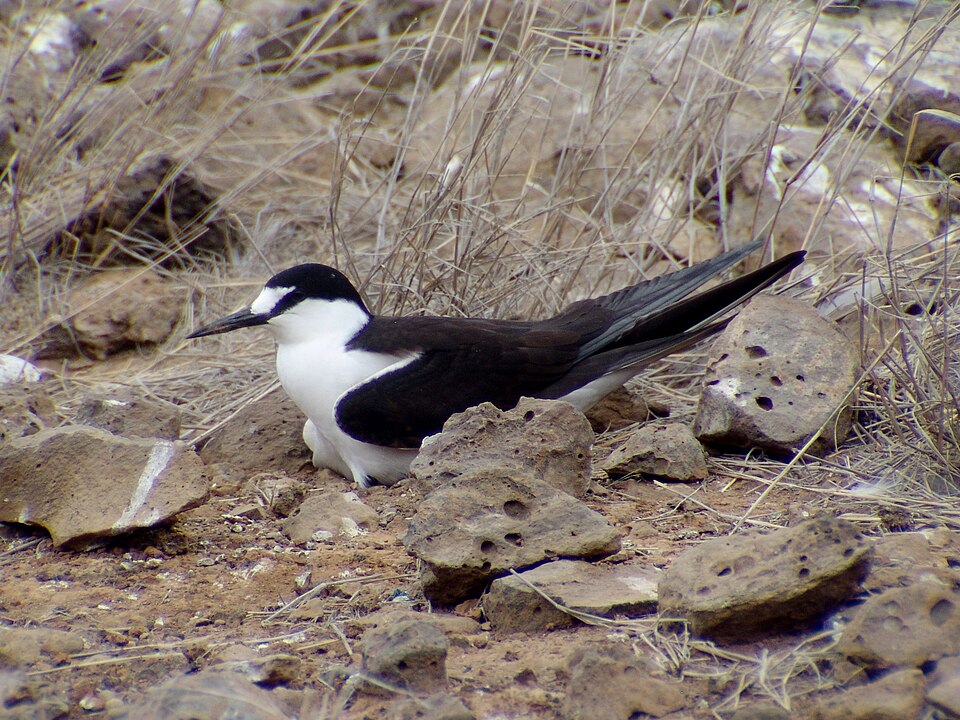 Charrán Sombrío
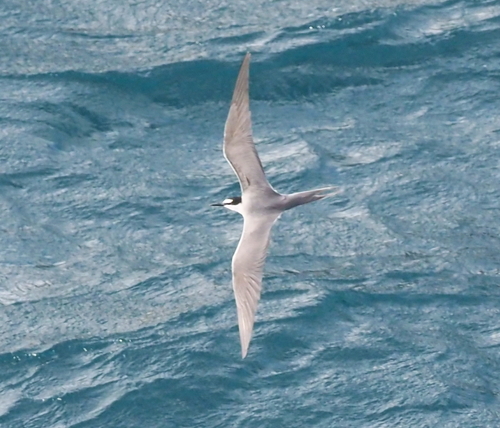 Charrán Lunado
En breve
La marca de campo más confiable para separar el Charrán Sombrío del Charrán Lunado es el color de las partes superiores: el Charrán Sombrío tiene partes superiores de color negro a muy oscuro marrón negruzco, mientras que el Charrán Lunado tiene una espalda distintivamente gris. Ambas especies tienen partes inferiores blancas y una frente blanca, pero las partes superiores del Charrán Sombrío son mucho más oscuras en general. Los juveniles del Charrán Sombrío parecen más oscuros y más uniformemente oscuros arriba que el Charrán Lunado, que siempre muestra una espalda más clara y de tono gris. En vuelo o en reposo, verifica el color de la espalda y la presencia o ausencia de un collar de cuello pálido (presente en el Lunado, ausente en el Sombrío). Las diferencias estructurales son sutiles, así que concéntrate en el plumaje, especialmente en luz brillante.
Consejos de identificación
- El color de la espalda es clave: El Charrán Sombrío siempre tiene partes superiores de color negro a muy oscuro marrón negruzco; el Charrán Lunado tiene una espalda distintivamente gris. Esta es la marca de campo más confiable en todas las edades y en todas las estaciones.
- Contraste juvenil/inmaduro: Los jóvenes Charranes Sombríos son muy oscuros arriba con un patrón escamoso y solo el vientre inferior pálido; los juveniles del Charrán Lunado son siempre más claros arriba, con una espalda gris (no negra). Si el ave parece casi completamente oscura arriba, es un Charrán Sombrío.
- Frente y cara: Ambos tienen una frente blanca, pero la del Charrán Sombrío es más ancha y carece de una línea ocular negra. El Charrán Lunado muestra una línea ocular negra desde el pico hasta la nuca, dando un aspecto 'espectacular'.
- Collar de cuello: El Charrán Sombrío nunca muestra un collar de cuello pálido; el Charrán Lunado puede mostrar un collar pálido tenue debido al contraste entre la espalda gris y el cuello blanco. Si ves un collar pálido, no es un Charrán Sombrío.
- Forma de la cola: Ambos tienen colas moderadamente profundamente bifurcadas, pero esto no es un separador confiable entre estas dos especies.
- Partes inferiores: Ambas especies tienen partes inferiores blancas como adultos, pero los juveniles del Charrán Sombrío son más oscuros por debajo excepto por el vientre inferior.
- Parte superior del ala en vuelo: El Charrán Sombrío es mucho más oscuro arriba en todos los plumajes; la parte superior del ala del Charrán Lunado es más clara, coincidiendo con el manto gris.
- Pico y patas: Ambos tienen picos y patas negras; estas características no son útiles para la separación.
- Tamaño: El Charrán Sombrío es de tamaño mediano-grande, similar al Charrán Patinegro; el Charrán Lunado es similar pero posiblemente un poco más pequeño. La superposición de tamaño es sustancial, así que no confíes en esto.
- Comportamiento: Ambos son altamente pelágicos, pero el Charrán Sombrío es más probable que se vea en grandes colonias ruidosas. El Charrán Lunado es menos numeroso y menos frecuentemente encontrado.
- Hábitat: Ambas especies crían en islas tropicales y son oceánicas, pero el Charrán Sombrío es mucho más extendido y abundante.
- Voz: El Charrán Sombrío tiene un llamado distintivo y fuerte; no hay información disponible para el Charrán Lunado, así que no uses la voz para la separación a menos que se escuche el llamado del Charrán Sombrío.
- Trampa - iluminación: En mala luz, la espalda del Charrán Lunado puede parecer oscura, pero nunca tan negra como la del Charrán Sombrío. Siempre intenta evaluar el color de la espalda en buena luz.
- Trampa - confusión con el Charrán Embridado: Ambas especies pueden confundirse con el Charrán Embridado, pero el Charrán Sombrío es más oscuro y carece de un collar pálido; el Charrán Lunado es más claro arriba que ambos.
- Contexto: Si se ve lejos de la tierra, ambos son posibles, pero el Charrán Sombrío es mucho más probable en la mayoría de los océanos tropicales.
Tamaño
Ambas especies son charranes de tamaño mediano-grande, pero el Charrán Sombrío es similar en tamaño al Charrán Patinegro (36–45 cm de longitud, 82–94 cm de envergadura) [wikipedia]. No hay cifras de tamaño directas para el Charrán Lunado en las notas, pero se implica que es similar, posiblemente un poco más pequeño, ya que se describe como menos robusto que el Charrán Sombrío en algunas referencias. En el campo, el tamaño no es un separador confiable entre estos dos, ya que la superposición es sustancial y ambos tienen alas y colas largas.
Plumaje
-
Aves juveniles/inmaduros: Los juveniles del Charrán Sombrío son de un gris-negro muy oscuro arriba y abajo, con bordes pálidos estrechos en las plumas de las partes superiores, dando un aspecto escamoso en la espalda y las alas. El vientre es blanquecino, pero el resto de las partes inferiores son oscuras. Los juveniles del Charrán Lunado no se describen en detalle en las notas, pero la diferencia clave es que incluso los jóvenes tienen una espalda gris (no negra) y carecen de la oscuridad general del Charrán Sombrío. Si ves un charrán escamoso, con la espalda muy oscura y solo el vientre inferior pálido, es un Charrán Sombrío.
-
Adultos: Los adultos del Charrán Sombrío tienen partes superiores de negro a marrón negruzco, una frente blanca ancha y partes inferiores blancas. La cola es moderadamente profundamente bifurcada y negra con bordes exteriores blancos. Los adultos del Charrán Lunado tienen una espalda gris (nunca negra), partes inferiores blancas y una línea ocular negra que va desde el pico a través del ojo hasta la parte posterior de la cabeza. Ambos tienen una frente blanca, pero la del Charrán Sombrío es más ancha y carece de la línea ocular oscura. El Charrán Sombrío nunca muestra un collar de cuello pálido, mientras que el Charrán Lunado puede mostrar un efecto de collar pálido tenue debido al contraste entre la espalda gris y el cuello blanco.
-
Vistas en vuelo: Ambas especies tienen alas y colas largas, pero la oscuridad de la parte superior del ala y el manto es diagnóstica: el Charrán Sombrío es mucho más oscuro arriba en todas las edades.
Comportamiento
Ambas especies son altamente pelágicas, pasando la mayor parte de sus vidas en el mar y viniendo a tierra solo para criar. El Charrán Sombrío es conocido por sus hábitos extremadamente marinos, rara vez viniendo a tierra excepto para anidar, y puede pasar años continuamente en el aire. El Charrán Lunado también es oceánico pero se ha estudiado menos; su comportamiento general es similar. Ambos capturan peces de la superficie del mar. Es más probable que se vea al Charrán Sombrío en grandes colonias ruidosas, mientras que el Charrán Lunado es menos común y menos conocido en sus hábitos de cría.
Hábitat
Ambas especies crían en islas tropicales y se encuentran sobre océanos tropicales. El Charrán Sombrío es extremadamente pelágico y rara vez se ve en tierra firme excepto después de tormentas; cría en grandes colonias en islas rocosas o de coral. El Charrán Lunado ocupa hábitats similares pero es menos numeroso y menos frecuentemente encontrado. El Charrán Sombrío es más extendido y abundante, especialmente en los océanos Atlántico e Índico, mientras que el Charrán Lunado es menos común y más localizado.
Voz
El Charrán Sombrío tiene un llamado fuerte y penetrante de 'wide-a-wake' o 'ker-wack-a-wack', así como una alarma áspera 'kvaark'. No se proporcionan detalles de vocalización para el Charrán Lunado en las notas, así que la voz no es un separador confiable basado en la información disponible.