

tordo-pinto vs tordo-zornal
Turdus philomelos versus Turdus pilaris
Jogue um quiz com tordo-pinto e tordo-zornal
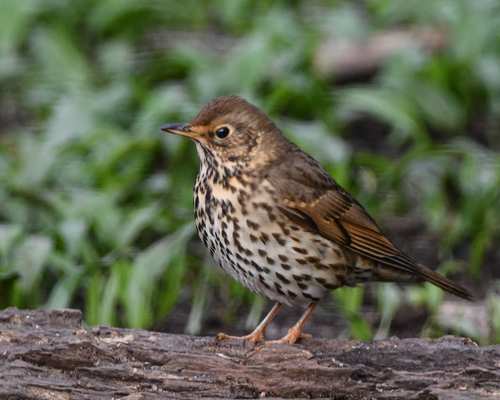 tordo-pinto
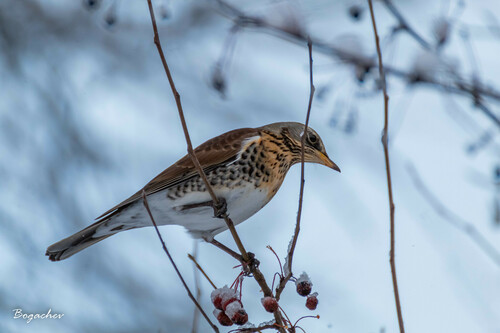 tordo-zornal
Em resumo
A marca de campo mais confiável para separar o tordo-pinto do tordo-zornal é a cor da cabeça e do rabo: o tordo-zornal apresenta uma cabeça e um rabo cinza-ardósia marcantes, enquanto o tordo-pinto é marrom simples por cima. Em voo, o tordo-zornal exibe coberturas de asas inferiores e axilares brancas, enquanto o tordo-pinto mostra asas inferiores amarelas quentes. Ambas as espécies têm partes inferiores manchadas, mas o peito do tordo-zornal é mais ousadamente salpicado e a impressão geral é mais fria e contrastante. Os juvenis de ambas podem mostrar listras pálidas, mas o padrão e a estrutura geral permanecem distintos. A voz e o tamanho também diferem, mas a plumagem e a estrutura são as maneiras mais rápidas de separá-los em campo.
Dicas de identificação
- Cor da cabeça e do rabo: O tordo-zornal sempre apresenta uma cabeça, nuca e rabo cinza-ardósia, contrastando com um dorso marrom escuro. O tordo-pinto é marrom simples por cima, sem cinza ou preto na cabeça ou no rabo. Esta é a maneira mais rápida de separá-los em qualquer plumagem.
- Cor das asas inferiores em voo: O tordo-zornal exibe coberturas de asas inferiores e axilares brancas, especialmente óbvias em bandos ou quando assustadas. O tordo-pinto mostra asas inferiores amarelas quentes. Isso é diagnóstico em voo para todas as idades.
- Manchas no peito: Ambos têm peitos manchados, mas os do tordo-zornal são mais ousados, mais extensos e se estendem mais para baixo no peito. As manchas do tordo-pinto são menores, mais organizadas e estão principalmente na parte superior do peito.
- Padrão facial: O tordo-zornal tem lore e área sob os olhos pretos, um supercílio pálido fraco e um rosto mais contrastante. O tordo-pinto tem um rosto simples, sem marcas escuras ou supercílio.
- Cor do bico: O bico do tordo-zornal é amarelo-alaranjado no inverno, amarelo no verão (machos), com uma ponta mais escura. O bico do tordo-pinto é amarelado, mas não possui o tom forte de laranja ou amarelo e é mais uniforme.
- Cauda: A cauda do tordo-zornal é negróidea com uma ponta arredondada e algumas bordas cinzas na base. A cauda do tordo-pinto é marrom e menos contrastante.
- Cor das pernas: O tordo-pinto tem pernas e pés rosados, enquanto os do tordo-zornal são marrons.
- Plumagem juvenil: Ambos os juvenis têm listras pálidas, mas os juvenis do tordo-pinto mostram listras cor de palha ou laranja nas costas e coberturas das asas, enquanto os juvenis do tordo-zornal são mais apagados e menos contrastantes, rapidamente mudando para plumagem semelhante à dos adultos no outono.
- Tamanho e estrutura: O tordo-zornal é maior, mais robusto e se mantém mais ereto, com um corpo mais longo e envergadura de asas mais ampla. O tordo-pinto é menor, mais compacto e delicado em estrutura.
- Comportamento em bandos: O tordo-zornal é frequentemente encontrado em grandes bandos, especialmente no inverno, enquanto o tordo-pinto é mais solitário ou em pares.
- Preferência de habitat: O tordo-zornal prefere campos abertos, bordas de florestas e é mais visível em áreas abertas, especialmente no inverno. O tordo-pinto é mais frequentemente encontrado em jardins, parques e vegetação mais densa.
- Vocalizações: O tordo-pinto canta frases repetidas, altas, musicais, muitas vezes com imitação. O chamado do tordo-zornal é um 'tsak tsak' áspero, e sua canção é fraca e misturada com chiados e apitos.
- Contexto sazonal: No inverno, grandes bandos de tordos em campos abertos têm muito mais probabilidade de ser tordo-zornal. O tordo-pinto é mais provável de ser encontrado em locais abrigados durante todo o ano.
- Risco de confusão: À distância, ambos podem parecer marrons com peitos manchados, mas a cabeça/rabo cinza e a asa inferior branca do tordo-zornal são únicas. Cuidado com o juvenil do tordo-pinto, mas mesmo assim, a falta de cinza e os tons mais quentes devem indicar o tordo-pinto.
- Quando as marcas falham: Em luz fraca ou à distância, confie no tamanho, comportamento em bandos e padrão de voo. Se o pássaro estiver sozinho e em cobertura densa, o tordo-pinto é mais provável; se em um bando em campo aberto, o tordo-zornal é provável.
Tamanho
O tordo-zornal é visivelmente maior e mais robusto que o tordo-pinto, com uma massa corporal média de 105 g contra 72 g para o tordo-pinto [wikidata]. O tordo-zornal também tem um corpo mais longo (cerca de 25 cm contra 20–23,5 cm) e uma envergadura de asas mais ampla (39–42 cm contra a envergadura não listada, mas menor do tordo-pinto). No campo, o tordo-zornal se mantém mais alto e parece mais robusto, enquanto o tordo-pinto é mais compacto e delicado. Essa diferença de tamanho é frequentemente aparente quando ambas as espécies são vistas juntas, mas pode ser sutil à distância ou em luz fraca.
Plumagem
- Pássaros juvenis/imaturos: Ambos os juvenis das espécies mostram listras pálidas nas costas e coberturas das asas, mas os juvenis do tordo-pinto têm listras cor de palha ou laranja, enquanto os juvenis do tordo-zornal são mais apagados no geral, com listras pálidas em penas que são listradas escuras em adultos. Após a primeira muda de outono, o tordo-zornal rapidamente assume sua plumagem adulta, que é muito mais contrastante do que a do tordo-pinto em qualquer idade.
- Adultos: O tordo-pinto é marrom simples por cima com manchas pretas organizadas em partes inferiores creme ou cor de palha, mais claras na barriga, e asas inferiores amarelas quentes em voo. Os adultos do tordo-zornal são muito mais padronizados: cabeça, nuca e rabo cinza-ardósia; dorso marrom escuro; cauda negróidea; e um peito cremoso e salpicado de forma ousada. As coberturas das asas inferiores e axilares são brancas e muito conspícuas em voo. O rosto do tordo-zornal tem lore e área sob os olhos pretos, com um supercílio pálido fraco, e o bico é amarelo-alaranjado (inverno) ou amarelo (verão nos machos). O tordo-pinto não possui cinza ou preto na cabeça e tem um bico amarelado e pernas rosadas. Ambos têm peitos manchados, mas os do tordo-zornal são mais ousados e extensos, enquanto os do tordo-pinto são mais organizados e mais confinados à parte superior do peito.
Comportamento
O tordo-zornal é frequentemente visto em bandos, especialmente no inverno, alimentando-se no chão em campos abertos ou empoleirado alto em árvores. O tordo-pinto é mais solitário ou visto em pares, geralmente em cobertura mais densa, jardins ou bordas de florestas. O tordo-zornal tende a ser mais ereto e alerta, enquanto o tordo-pinto é mais propenso a forragear sob cobertura e menos gregário. Em voo, as asas inferiores brancas do tordo-zornal e seu tamanho maior fazem com que se destaque, especialmente quando voa com outros tordos.
Habitat
Ambas as espécies se reproduzem na região paleártica e podem sobrepor-se em alcance, mas o tordo-zornal prefere florestas abertas, arbustos e campos, especialmente no norte da Europa, e é fortemente migratório, aparecendo em grandes bandos no inverno. O tordo-pinto é mais frequentemente encontrado em jardins, parques, bordas de florestas e vegetação mais densa. No inverno, o tordo-zornal é muito mais provável de ser visto em campo aberto, enquanto o tordo-pinto permanece em habitats mais abrigados.
Voz
O tordo-pinto é famoso por sua canção alta, clara e musical, com frases repetidas e imitação, geralmente entregue de um poleiro proeminente. Seu chamado é um 'tsip' agudo ou um 'seep' fino durante a migração, e um alarme 'chook-chook'. O chamado do tordo-zornal é um 'tsak tsak' áspero, geralmente emitido em voo ou quando alarmado, e sua canção é fraca, misturando frases semelhantes a um melro com apitos e chiados, muitas vezes cantada em voo ou em pousos comunitários. As duas espécies são improváveis de serem confundidas pela canção, mas os chamados podem ser confundidos em voo se ouvidos brevemente.