
Tordo bottaccio vs Cesena
Turdus philomelos contro Turdus pilaris
Fai un quiz con Tordo bottaccio e Cesena
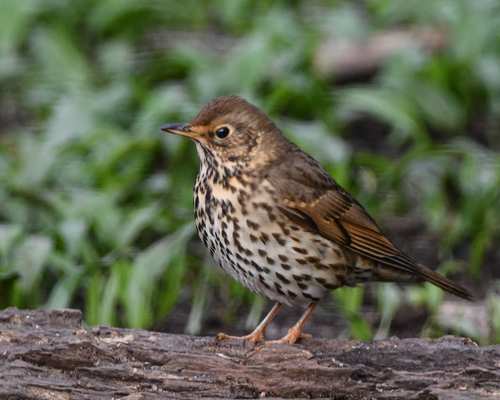 Tordo bottaccio
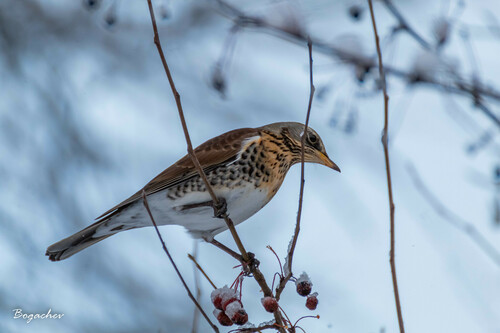 Cesena
In breve
Il segno distintivo più affidabile per separare il Tordo bottaccio dalla Cesena è il colore della testa e del sopracciglio: la Cesena mostra una testa e un sopracciglio grigio ardesia, mentre il Tordo bottaccio è marrone uniforme sopra. In volo, la Cesena lampeggia con copritrici e ascellari bianchi, mentre il Tordo bottaccio mostra ali inferiori giallo caldo. Entrambe le specie hanno parti inferiori macchiate, ma il petto della Cesena è più audacemente macchiato e l'impressione generale è più fredda e contrastante. I giovani di entrambe le specie possono mostrare striature chiare, ma il modello e la struttura complessivi rimangono distintivi. La voce e le dimensioni differiscono anche, ma il piumaggio e la struttura sono i modi più rapidi per separarli sul campo.
Consigli di identificazione
- Colore della testa e del sopracciglio: La Cesena mostra sempre una testa, una nuca e un sopracciglio grigio ardesia, in contrasto con un dorso marrone scuro. Il Tordo bottaccio è marrone uniforme sopra senza grigio o nero sulla testa o sul sopracciglio. Questo è il modo più veloce per separarli in qualsiasi piumaggio.
- Colore delle ali inferiori in volo: La Cesena lampeggia con copritrici e ascellari bianchi, particolarmente evidenti in stormi o quando viene disturbata. Il Tordo bottaccio mostra ali inferiori giallo caldo. Questo è diagnostico in volo per tutte le età.
- Macchie sul petto: Entrambi hanno petti macchiati, ma quelli della Cesena sono più audaci, più estesi e si estendono più in basso sul petto. Le macchie del Tordo bottaccio sono più piccole, più ordinate e per lo più sulla parte superiore del petto.
- Modello facciale: La Cesena ha lore nere e sotto-occhio, un debole supercilio chiaro e un viso più contrastante. Il Tordo bottaccio ha un viso semplice senza segni scuri o supercilio.
- Colore del becco: Il becco della Cesena è giallo-arancio in inverno, giallo in estate (maschi), con una punta più scura. Il becco del Tordo bottaccio è giallastro ma manca del forte tono arancio o giallo ed è più uniforme.
- Coda: La coda della Cesena è nerastro con una punta arrotondata e alcune bordature grigie alla base. La coda del Tordo bottaccio è marrone e meno contrastante.
- Colore delle zampe: Il Tordo bottaccio ha zampe e piedi rosa, mentre quelli della Cesena sono marroni.
- Piumaggio giovanile: Entrambi i giovani hanno striature chiare, ma i giovani del Tordo bottaccio mostrano striature color crema o arancione sulla schiena e sulle copritrici delle ali, mentre i giovani della Cesena sono più opachi e meno contrastanti, mutando rapidamente in piumaggio simile agli adulti entro l'autunno.
- Dimensioni e struttura: La Cesena è più grande, più robusta, e si erge più dritta, con un corpo più lungo e un'apertura alare più ampia. Il Tordo bottaccio è più piccolo, più compatto e delicato nella struttura.
- Comportamento in stormo: La Cesena è spesso in grandi stormi, specialmente in inverno, mentre il Tordo bottaccio è più solitario o in coppie.
- Preferenza per l'habitat: La Cesena preferisce campi aperti, bordi di boschi ed è più visibile in campagna aperta, specialmente in inverno. Il Tordo bottaccio è più spesso in giardini, parchi e vegetazione più densa.
- Vocalizzazioni: Il Tordo bottaccio canta frasi forti, musicali e ripetute, spesso con mimetismo. Il richiamo della Cesena è un aspro 'tsak tsak', e il suo canto è debole e mescolato a squeaks e fischi.
- Contesto stagionale: In inverno, grandi stormi di tordi nei campi aperti sono molto più probabili essere Cesena. Il Tordo bottaccio è più probabile in luoghi riparati durante tutto l'anno.
- Rischio di confusione: A distanza, entrambi possono sembrare marroni con petti macchiati, ma la testa/rump grigia e l'ala inferiore bianca della Cesena sono uniche. Fai attenzione ai giovani Tordi bottaccio, ma anche in quel caso, la mancanza di grigio e i toni complessivamente più caldi dovrebbero indicare il Tordo bottaccio.
- Quando i segni falliscono: In scarsa luce o a distanza, fai affidamento su dimensioni, comportamento in stormo e modello di volo. Se l'uccello è solo e in copertura densa, è più probabile che sia un Tordo bottaccio; se in uno stormo in campagna aperta, è probabile che sia una Cesena.
Taglia
La Cesena è notevolmente più grande e più robusta del Tordo bottaccio, con una massa corporea media di 105 g contro 72 g per il Tordo bottaccio [wikidata]. La Cesena ha anche un corpo più lungo (circa 25 cm contro 20–23,5 cm) e un'apertura alare più ampia (39–42 cm contro l'apertura non elencata ma più piccola del Tordo bottaccio). Sul campo, la Cesena si erge più alta e appare più robusta, mentre il Tordo bottaccio è più compatto e delicato. Questa differenza di dimensioni è spesso evidente quando entrambe le specie sono viste insieme, ma può essere sottile a distanza o in scarsa luce.
Piumaggio
- Uccelli giovanili/immaturi: I giovani di entrambe le specie mostrano striature chiare sulla schiena e sulle copritrici delle ali, ma i giovani del Tordo bottaccio hanno striature color crema o arancione, mentre i giovani della Cesena sono più opachi nel complesso con striature chiare su piume che sono striate di scuro negli adulti. Dopo la prima muta autunnale, la Cesena assume rapidamente il suo piumaggio adulto, che è molto più contrastante rispetto al Tordo bottaccio a qualsiasi età.
- Adulti: Il Tordo bottaccio è marrone uniforme sopra con macchie nere ordinate su parti inferiori color crema o color crema, più chiare sull'addome, e ali inferiori giallo caldo in volo. Gli adulti della Cesena sono molto più variopinti: testa, nuca e sopracciglio grigio ardesia; dorso marrone scuro; coda nerastra; e un petto cremoso-macchiato audace. Le copritrici delle ali inferiori e le ascellari sono bianche e molto evidenti in volo. Il viso della Cesena ha lore nere e sotto-occhio, con un debole supercilio chiaro, e il becco è giallo-arancio (in inverno) o giallo (in estate nei maschi). Il Tordo bottaccio non ha alcun grigio o nero sulla testa e ha un becco giallastro e zampe rosa. Entrambi hanno petti macchiati, ma quelli della Cesena sono più audaci e più estesi, mentre quelli del Tordo bottaccio sono più ordinati e più confinati alla parte superiore del petto.
Comportamento
La Cesena è spesso vista in stormi, specialmente in inverno, nutrendosi a terra in campi aperti o posata in alto sugli alberi. Il Tordo bottaccio è più solitario o visto in coppie, di solito in copertura più densa, giardini o bordi di boschi. La Cesena tende a essere più eretta e allerta, mentre il Tordo bottaccio è più incline a cercare cibo sotto copertura e meno gregario. In volo, le ali inferiori bianche della Cesena e la sua dimensione maggiore la fanno risaltare, specialmente quando vola con altri tordi.
Habitat
Entrambe le specie nidificano attraverso il Paleartico e possono sovrapporsi nel loro areale, ma la Cesena preferisce boschi aperti, cespugli e campi, specialmente nel nord Europa, ed è fortemente migratoria, apparendo in grandi stormi in inverno. Il Tordo bottaccio si trova più spesso in giardini, parchi, bordi di boschi e vegetazione più densa. In inverno, la Cesena è molto più probabile da vedere in campagna aperta, mentre il Tordo bottaccio rimane in habitat più riparati.
Voce
Il Tordo bottaccio è famoso per il suo canto forte, chiaro e musicale, con frasi ripetute e mimetismo, solitamente eseguito da un posatoio prominente. Il suo richiamo è un 'tsip' acuto o un 'seep' sottile in migrazione, e un allerta 'chook-chook'. Il richiamo della Cesena è un aspro 'tsak tsak', solitamente emesso in volo o quando allarmato, e il suo canto è debole, mescolando frasi simili a quelle del merlo con fischi e squeaks, spesso cantato in volo o in dormitori comuni. I due sono improbabili da confondere per canto, ma i richiami potrebbero essere confusi in volo se uditi solo brevemente.