

pardela-de-asa-larga vs fragata
Puffinus lherminieri versus Fregata magnificens
Jogue um quiz com pardela-de-asa-larga e fragata
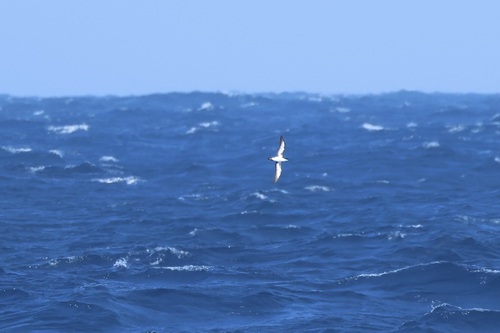 pardela-de-asa-larga
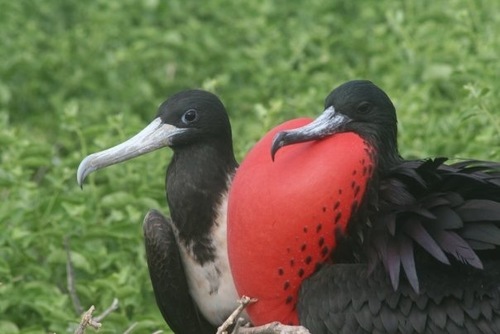 fragata
Em resumo
A separação mais confiável entre a pardela-de-asa-larga e a fragata é a estrutura geral e o contorno de voo: a pardela-de-asa-larga é uma ave marinha compacta e de corpo pequeno, com asas relativamente curtas e uma cauda de bordas retas, enquanto a fragata é enorme, com asas extremamente longas e angulares e uma cauda profundamente bifurcada. As plumagens imaturas não são facilmente confundidas, pois os jovens fragateiros têm cabeça e partes inferiores brancas, ao contrário de qualquer pardela. Em voo, os fragateiros planam e deslizam com quase nenhum batimento de asas, enquanto as pardelas usam batimentos de asas rápidos e rígidos intercalados com deslizes. Mesmo à distância, a diferença de tamanho e forma é inconfundível, mas a confusão pode ocorrer quando apenas uma visão rápida ou distante é obtida, especialmente se a fragata estiver alta acima e o observador estiver esperando uma pardela.
Dicas de identificação
- Tamanho e Proporção: A fragata é vastamente maior que a pardela-de-asa-larga—quase três vezes o comprimento e a envergadura. Mesmo aves distantes mostrarão essa diferença se outras aves marinhas estiverem presentes para escala.
- Forma das Asas: As asas da fragata são extremamente longas, estreitas e angulares, formando uma forma distintiva de 'M' em voo. As asas da pardela são mais curtas, mais em forma de remo e nunca tão angulares.
- Forma da Cauda: A fragata tem uma cauda longa e profundamente bifurcada, frequentemente mantida fechada para parecer pontuda ou aberta para mostrar a bifurcação. A pardela tem uma cauda curta e de bordas retas, sem bifurcação.
- Estilo de Voo: Os fragateiros planam e deslizam sem esforço, raramente batendo as asas, frequentemente altos acima da água ou da terra. As pardelas voam próximas à água com batimentos de asas rápidos e rígidos e deslizes curtos.
- Plumagem—Juvenil/Imatura: Os fragateiros imaturos têm cabeça e partes inferiores brancas, às vezes com uma mancha de barriga em forma de diamante—nunca vista em qualquer pardela. Todas as pardelas-de-asa-larga são escuras por cima, brancas por baixo, com um rosto branco apenas abaixo do olho.
- Plumagem—Adulto Macho: O macho da fragata é todo preto com uma bolsa de garganta vermelha (reprodução), enquanto a pardela é marrom-escura por cima, branca por baixo e não possui vermelho ou iridescência.
- Plumagem—Adulto Fêmea: A fêmea da fragata é preta com um peito branco e lados do pescoço inferiores brancos, e um anel ocular azul. O branco da pardela se estende por toda a parte inferior e rosto abaixo do olho, sem anel ocular azul.
- Bico: A fragata tem um bico longo, esguio e curvado. O bico da pardela é mais curto, mais robusto e reto, com uma leve curvatura na ponta.
- Pés: Os pés da fragata não são visíveis em voo; os pés da pardela são rosa opaco com manchas pretas e unhas, mas raramente vistos, a menos que a ave esteja na água.
- Empoleirado/Postura: Os fragateiros raramente se empoleiram, exceto em colônias de reprodução ou em navios; as pardelas podem descansar na água ou na terra. Se vistas sentadas na água, é uma pardela.
- Contexto: Os fragateiros são frequentemente vistos planando alto ou sobre a terra; as pardelas estão quase sempre próximas à superfície do mar.
- Vocalização: Não é útil para separação no mar—ambos são silenciosos em voo.
- Habitat: Ambas as espécies podem ocorrer na mesma região geral, mas apenas as pardelas são vistas sentadas na água; os fragateiros estão sempre no ar, a menos que estejam em um ninho ou pouso.
- Armadilhas: Fragateiros distantes e voando alto podem parecer menores do que são e podem ser confundidos com uma pardela se vistos apenas brevemente. Sempre verifique a cauda bifurcada e as asas angulares.
- Estação/Idade: Não há mudanças sazonais de plumagem na pardela; os machos da fragata mostram a bolsa de garganta vermelha apenas na estação de reprodução. Os fragateiros juvenis são os mais propensos a causar confusão, mas sua cabeça e partes inferiores brancas são únicas.
Tamanho
A pardela-de-asa-larga é uma ave marinha pequena, medindo 30–33 cm de comprimento, com uma envergadura de 64–72 cm e pesando 150–230 g [wikipedia]. Em contraste, a fragata é uma das maiores aves marinhas, medindo 89–114 cm de comprimento, com uma envergadura de 217–244 cm e pesando 1,1–1,59 kg [wikipedia]. A fragata é quase três vezes o comprimento e tem uma envergadura mais de três vezes maior que a da pardela. Mesmo à distância, o tamanho da fragata é impressionante, especialmente quando vista com outras aves marinhas para escala.
Plumagem
- Juvenil/Imatura: Os fragateiros imaturos são distintos, com cabeça e partes inferiores brancas, e em juvenis, uma mancha de barriga branca em forma de diamante. Nenhuma classe etária da pardela-de-asa-larga mostra esse padrão; todas as idades são escuras por cima e brancas por baixo, com a cabeça branca apenas abaixo do olho [wikipedia].
- Adulto: A pardela-de-asa-larga adulta é marrom-escura por cima, branca por baixo, com uma demarcação limpa e coberturas de cauda brancas. Os machos adultos da fragata são todos pretos com uma bolsa gular vermelha (reprodução), enquanto as fêmeas são pretas com um peito branco e lados do pescoço inferiores brancos, e um anel ocular azul. O branco da fêmea é restrito ao peito e ao pescoço inferior, não às partes inferiores inteiras como na pardela. A plumagem do macho é totalmente escura, exceto pela bolsa de garganta vermelha na estação de reprodução.
- Asas em Voo: As asas da pardela são relativamente curtas e largas para seu tamanho, com partes superiores escuras e coberturas de asa inferiores principalmente escuras, exceto pelas bases brancas. As asas da fragata são extremamente longas, estreitas e angulares, com uma aparência escura uniforme nos machos e uma faixa marrom nas fêmeas. Nenhuma pardela mostra a cauda profundamente bifurcada ou as asas longas e pontudas de uma fragata.
Comportamento
A pardela-de-asa-larga voa com batimentos de asas rápidos e rígidos intercalados com deslizes, geralmente baixo sobre a água. Pode mergulhar ou se lançar para pegar comida. A fragata é uma mestre do planador, raramente batendo as asas, frequentemente vista alta no céu ou deslizando sem esforço acima do oceano por horas. Os fragateiros nunca pousam na água, enquanto as pardelas o fazem rotineiramente. Os fragateiros podem assediar outras aves para roubar comida (kleptoparasitismo), um comportamento não observado nas pardelas.
Habitat
Ambas as espécies ocorrem sobre águas atlânticas tropicais e subtropicais, mas a pardela-de-asa-larga é geralmente vista próxima à superfície da água, frequentemente em zonas pelágicas ou costeiras, e se reproduz em ilhas do Caribe [wikipedia]. A fragata é mais frequentemente vista planando alto acima do mar ou das costas, às vezes longe do litoral, e se reproduz em ilhas remotas, mas é muito mais visível no espaço aéreo acima do oceano ou da terra [wikipedia]. As pardelas quase nunca são vistas planando a grandes alturas, enquanto os fragateiros raramente são vistos sentados na água.
Voz
Nenhuma das espécies é vocal em voo. A pardela-de-asa-larga faz chamadas de chilrear e miar à noite em colônias de reprodução, mas essas raramente são ouvidas no mar [wikipedia]. A fragata é silenciosa em voo, com apenas chamadas de chocalho no ninho [wikipedia]. As vocalizações não são úteis para separação em campo no mar.