

Motmot

セグロミズナギドリ 対 アメリカグンカンドリ

Puffinus lherminieri 対 Fregata magnificens

セグロミズナギドリとアメリカグンカンドリのクイズ
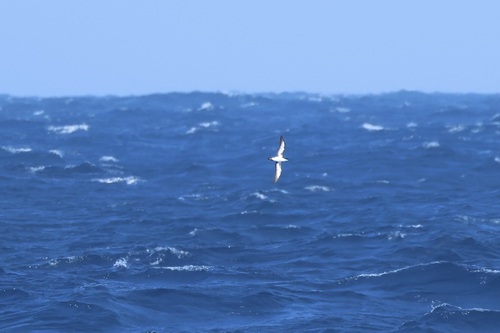
セグロミズナギドリ (Puffinus lherminieri) セグロミズナギドリ
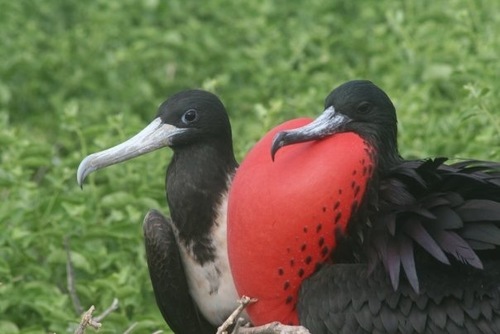
アメリカグンカンドリ (Fregata magnificens) アメリカグンカンドリ

メディア

読み込み中…

要点

セグロミズナギドリとアメリカグンカンドリの最も信頼できる区別は、全体的な構造と飛行シルエットです:セグロミズナギドリは、比較的短い翼と直線的な尾を持つコンパクトで小型の海鳥ですが、アメリカグンカンドリは巨大で、非常に長く角ばった翼と深く分かれた尾を持っています。未熟な羽毛は簡単に混同されることはなく、若いフリゲートバードは白い頭と腹部を持ち、シアウォーターには見られません。飛行中、フリゲートバードはほとんど羽ばたくことなく滑空し、シアウォーターは急速で硬い翼の羽ばたきと滑空を交互に使用します。距離があっても、サイズと形の違いは明確ですが、特にフリゲートバードが高く飛んでいて観察者がシアウォーターを期待している場合、迅速または遠くからの視界だけでは混乱が生じる可能性があります。

識別のコツ

  1. Size and Proportion: アメリカグンカンドリはセグロミズナギドリよりもはるかに大きく、長さと翼幅はほぼ3倍です。遠くの鳥でも、他の海鳥がスケールとして存在すればこの違いが示されます。
  2. Wing Shape: フリゲートバードの翼は非常に長く、狭く、角ばっており、飛行中に特徴的な「M」形を形成します。シアウォーターの翼は短く、パドル状で、決して角ばっていません。
  3. Tail Shape: フリゲートバードは長く深く分かれた尾を持ち、尖って見えるように閉じていることが多く、分かれた部分を見せるために開いていることもあります。シアウォーターは短く直線的な尾を持ち、分かれた部分はありません。
  4. Flight Style: フリゲートバードは、ほとんど羽ばたくことなく、楽に滑空し、しばしば水面や陸の高いところで見られます。シアウォーターは水面近くを飛び、急速で硬い羽ばたきと短い滑空を行います。
  5. Plumage—Juvenile/Immature: 未熟なフリゲートバードは白い頭と腹部を持ち、時にはダイヤモンド形の腹部の斑点がありますが、これはシアウォーターには見られません。すべてのSargasso Shearwatersは上面が暗く、下面が白く、目の下だけが白い顔をしています。
  6. Plumage—Adult Male: オスのフリゲートバードは繁殖期に赤い喉袋を持つ全体が黒の羽毛を持ち、シアウォーターは上面が黒褐色、下面が白で、赤や虹色の部分はありません。
  7. Plumage—Adult Female: メスのフリゲートバードは黒で、白い胸と首の下側、青い目の輪があります。シアウォーターの白は全ての腹部と目の下の顔に広がり、青い目の輪はありません。
  8. Bill: フリゲートバードは長く細いフック状のくちばしを持っています。シアウォーターのくちばしは短く、太く、直線的で、先端にわずかなフックがあります。
  9. Feet: フリゲートバードの足は飛行中には見えません;シアウォーターの足は鈍いピンク色で黒い洗いがかかり、爪がありますが、鳥が水上にいるとき以外はほとんど見られません。
  10. Perched/Posture: フリゲートバードは繁殖コロニーや船の上以外ではほとんど止まることはありません;シアウォーターは水面や陸に休むことがあります。水に座っているのが見られた場合、それはシアウォーターです。
  11. Context: フリゲートバードは高く飛んでいるか陸の上で見られることが多いですが、シアウォーターはほぼ常に海面近くにいます。
  12. Vocalization: 海上での区別には役立ちません—両者とも飛行中は静かです。
  13. Habitat: 両者は同じ一般的な地域に出現することがありますが、シアウォーターだけが水面に座っているのが見られ、フリゲートバードは巣や休息地にいない限り常に空中にいます。
  14. Pitfalls: 遠くで高く飛んでいるフリゲートバードは、実際よりも小さく見えることがあり、短時間しか見えない場合はシアウォーターと間違えられることがあります。常に分かれた尾と角ばった翼を確認してください。
  15. Season/Age: シアウォーターには季節ごとの羽毛の変化はありません;フリゲートバードのオスは繁殖期にのみ赤い喉袋を示します。未熟なフリゲートバードは混乱を引き起こす可能性が最も高いですが、彼らの白い頭と腹部は独特です。

大きさ

セグロミズナギドリは小型の海鳥で、長さ30〜33 cm、翼幅64〜72 cm、体重150〜230 gです [wikipedia]。対照的に、アメリカグンカンドリは最大級の海鳥の一つで、長さ89〜114 cm、翼幅217〜244 cm、体重1.1〜1.59 kgです [wikipedia]。フリゲートバードはシアウォーターのほぼ3倍の長さで、翼幅は3倍以上です。距離があっても、フリゲートバードのサイズは際立っており、特に他の海鳥と一緒に見られるときにそのスケールが際立ちます。

羽色

行動

セグロミズナギドリは急速で硬い羽ばたきと滑空を交互に行い、通常は水面近くを飛びます。食べ物のために潜ったり飛び込んだりすることがあります。アメリカグンカンドリは滑空の達人で、ほとんど羽ばたくことなく、しばしば空高くに見られたり、数時間にわたり海の上を楽に滑空したりします。フリゲートバードは水に着陸することはなく、シアウォーターは通常着陸します。フリゲートバードは他の鳥を襲って食べ物を奪うことがあります(盗食行動)、これはシアウォーターには見られません。

生息環境

両種は熱帯および亜熱帯の大西洋の水域に生息していますが、セグロミズナギドリは通常水面近くで見られ、しばしば外洋や沖合のゾーンに生息し、カリブ海の島々で繁殖します [wikipedia]。アメリカグンカンドリは海や海岸線の高いところを滑空していることが最も多く、時には内陸の遠くで見られ、遠隔の島で繁殖しますが、海や陸の上空でより目立ちます [wikipedia]。シアウォーターはほとんど高いところで滑空しているのが見られず、フリゲートバードは水に座っているのがほとんど見られません。

声

どちらの種も飛行中には声を出しません。セグロミズナギドリは繁殖コロニーで夜にさえずりや鳴き声を出しますが、これらは海ではほとんど聞かれません [wikipedia]。アメリカグンカンドリは飛行中は静かで、巣ではガラガラとした声だけを出します [wikipedia]。声は海でのフィールド分離には役立ちません。

より良い説明を送る

比較と同じ項目を使ってください。文章はすぐに公開されます。

The most reliable separation between Sargasso Shearwater and Magnificent Frigatebird is overall structure and flight silhouette: Sargasso Shearwater is a compact, small-bodied seabird with relatively short wings and a straight-edged tail, while Magnificent Frigatebird is enormous, with extremely long, angular wings and a deeply forked tail. Immature plumages are not easily confused, as young frigatebirds have a white head and underparts, unlike any shearwater. In flight, frigatebirds soar and glide with almost no flapping, whereas shearwaters use rapid, stiff wingbeats interspersed with glides. Even at a distance, the sheer size and shape difference is unmistakable, but confusion can occur when only a quick or distant view is obtained, especially if the frigatebird is high overhead and the observer is expecting a shearwater.

  1. Size and Proportion: Magnificent Frigatebird is vastly larger than Sargasso Shearwater—nearly three times the length and wingspan. Even distant birds will show this difference if other seabirds are present for scale.
  2. Wing Shape: Frigatebird wings are extremely long, narrow, and angular, forming a distinctive 'M' shape in flight. Shearwater wings are shorter, more paddle-shaped, and never as angular.
  3. Tail Shape: Frigatebird has a long, deeply forked tail, often held closed to appear pointed or open to show the fork. Shearwater has a short, straight-edged tail with no fork.
  4. Flight Style: Frigatebirds soar and glide effortlessly, rarely flapping, often high above the water or land. Shearwaters fly close to the water with rapid, stiff wingbeats and short glides.
  5. Plumage—Juvenile/Immature: Immature frigatebirds have a white head and underparts, sometimes with a diamond-shaped belly patch—never seen in any shearwater. All Sargasso Shearwaters are dark above, white below, with a white face only below the eye.
  6. Plumage—Adult Male: Male frigatebird is all-black with a red throat pouch (breeding), while shearwater is blackish-brown above, white below, and lacks any red or iridescence.
  7. Plumage—Adult Female: Female frigatebird is black with a white breast and lower neck sides, and a blue eye-ring. Shearwater's white extends across the entire underparts and face below the eye, with no blue eye-ring.
  8. Bill: Frigatebird has a long, slender, hooked bill. Shearwater's bill is shorter, stouter, and straight with a slight hook at the tip.
  9. Feet: Frigatebird feet are not visible in flight; shearwater feet are dull pink with black wash and toenails, but rarely seen unless the bird is on the water.
  10. Perched/Posture: Frigatebirds rarely perch except in breeding colonies or on ships; shearwaters may rest on the water or land. If seen sitting on water, it is a shearwater.
  11. Context: Frigatebirds are often seen soaring high or over land; shearwaters are almost always close to the sea surface.
  12. Vocalization: Not useful for separation at sea—both are silent in flight.
  13. Habitat: Both can occur in the same general region, but only shearwaters are seen sitting on the water; frigatebirds are always airborne unless at a nest or roost.
  14. Pitfalls: Distant, high-flying frigatebirds may appear smaller than they are and could be mistaken for a shearwater if seen only briefly. Always check for the forked tail and angular wings.
  15. Season/Age: No seasonal plumage changes in shearwater; frigatebird males show red throat pouch only in breeding season. Juvenile frigatebirds are most likely to cause confusion, but their white head and underparts are unique.

Sargasso Shearwater is a small seabird, 30–33 cm in length with a wingspan of 64–72 cm and weighing 150–230 g [wikipedia]. In stark contrast, Magnificent Frigatebird is one of the largest seabirds, measuring 89–114 cm in length, with a wingspan of 217–244 cm and weighing 1.1–1.59 kg [wikipedia]. The frigatebird is nearly three times the length and has a wingspan more than three times that of the shearwater. Even at a distance, the frigatebird's size is striking, especially when seen with other seabirds for scale.

  • Juvenile/Immature: Immature Magnificent Frigatebirds are distinctive, with a white head and underparts, and in juveniles, a diamond-shaped white belly patch. No Sargasso Shearwater age class shows this pattern; all ages are dark above and white below, with the head white only below the eye [wikipedia].
  • Adult: Adult Sargasso Shearwater is blackish-brown above, white below, with a clean demarcation and white undertail coverts. Magnificent Frigatebird adult males are all-black with a red gular sac (breeding), while females are black with a white breast and lower neck sides, and a blue eye-ring. The female's white is restricted to the breast and lower neck, not the entire underparts as in shearwater. The male's plumage is entirely dark except for the red throat pouch in breeding season.
  • Wings in Flight: Shearwater wings are relatively short and broad for their size, with dark upperparts and mostly dark underwing coverts except for white bases. Frigatebird wings are extremely long, narrow, and angular, with a uniform dark appearance in males and a brown band in females. No shearwater shows the deeply forked tail or the long, pointed wings of a frigatebird.

Sargasso Shearwater flies with rapid, stiff wingbeats interspersed with glides, usually low over the water. It may dive or plunge for food. Magnificent Frigatebird is a master of soaring, rarely flapping, often seen high in the sky or effortlessly gliding above the ocean for hours. Frigatebirds never land on water, while shearwaters routinely do. Frigatebirds may harass other birds to steal food (kleptoparasitism), a behavior not seen in shearwaters.

Both species occur over tropical and subtropical Atlantic waters, but Sargasso Shearwater is usually seen close to the water surface, often in pelagic or offshore zones, and breeds on Caribbean islands [wikipedia]. Magnificent Frigatebird is most often seen soaring high above the sea or coastlines, sometimes far inland, and breeds on remote islands but is much more visible in the airspace above the ocean or land [wikipedia]. Shearwaters are almost never seen soaring at great height, while frigatebirds are rarely seen sitting on the water.

Neither species is vocal in flight. Sargasso Shearwater makes twittering and mewing calls at night in breeding colonies, but these are rarely heard at sea [wikipedia]. Magnificent Frigatebird is silent in flight, with only rattling calls at the nest [wikipedia]. Vocalizations are not useful for field separation at sea.

変更を破棄しますか?

保存していない編集があります。今離れると失われます。

セグロミズナギドリ · アメリカグンカンドリ · 苦手な鳥