

toutinegra-do-levante vs toutinegra-dos-valados
Curruca ruppeli versus Curruca melanocephala
Jogue um quiz com toutinegra-do-levante e toutinegra-dos-valados
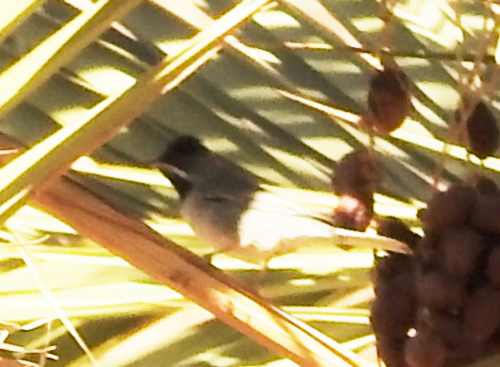 toutinegra-do-levante
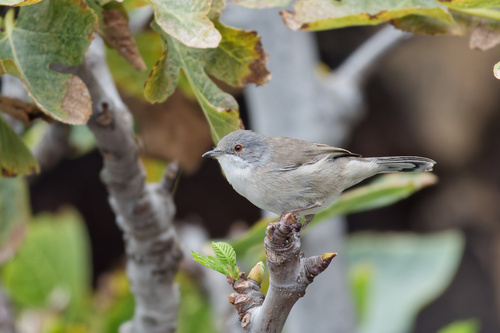 toutinegra-dos-valados
Em resumo
A marca de campo mais confiável para separar a toutinegra-do-levante da toutinegra-dos-valados é a ousada faixa malar branca ('bigode') no macho adulto da toutinegra-do-levante, que divide nitidamente a garganta preta da cabeça preta—os machos da toutinegra-dos-valados têm uma garganta branca limpa sem tal divisão. As fêmeas e os pássaros imaturos são mais complicados: concentre-se na cor da garganta e no tom da cabeça, pois as fêmeas da toutinegra-do-levante têm uma garganta pálida e cabeça mais cinza, enquanto as fêmeas da toutinegra-dos-valados apresentam uma garganta branca e partes superiores mais marrons ou com tons de oliva. Ambas as espécies compartilham olhos vermelhos e tamanho semelhante, mas a toutinegra-do-levante é mais esbelta e muitas vezes parece mais atenuada. As vocalizações diferem sutilmente, com a toutinegra-do-levante emitindo um som mais lento e profundo do que a mais rápida toutinegra-dos-valados. No campo, o contexto e a atenção cuidadosa ao padrão da cabeça e da garganta são fundamentais, especialmente fora da temporada de reprodução.
Dicas de identificação
- Padrão da cabeça/garganta do macho adulto: A toutinegra-do-levante tem uma cabeça preta e garganta preta separadas por uma ousada faixa malar branca ('bigode'); a toutinegra-dos-valados tem uma cabeça preta, mas a garganta é branca limpa, sem preto se estendendo abaixo do bico. Esta é a marca mais confiável na primavera e no início do verão.
- Cabeça e garganta da fêmea: A fêmea da toutinegra-do-levante apresenta uma cabeça e garganta cinza pálido, muitas vezes com um tom acastanhado nas costas; as fêmeas da toutinegra-dos-valados têm uma garganta branca e uma coroa e costas mais marrons ou com tons de oliva. Na toutinegra-dos-valados, a garganta branca é geralmente bem definida.
- Plumagem imatura/juvenil: Os juvenis da toutinegra-dos-valados são arenosos por cima e pálidos por baixo, sem forte contraste entre cabeça e garganta; os jovens da toutinegra-do-levante são geralmente mais simples e cinzentos, mas isso é sutil e nem sempre confiável.
- Bico e estrutura: A toutinegra-do-levante tem um bico mais fino e pontudo e parece mais esbelta e atenuada no geral, especialmente quando empoleirada. A toutinegra-dos-valados é mais robusta, com uma cauda ligeiramente mais longa e asas maiores (nem sempre óbvias, exceto em comparação direta).
- Cor dos olhos: Ambas as espécies têm olhos vermelhos como adultos, então isso não é útil para separação.
- Costas e partes inferiores: Os adultos da toutinegra-do-levante têm costas cinzas simples com um tom acastanhado e partes inferiores cinzas mais claras; os machos da toutinegra-dos-valados têm costas cinzas e partes inferiores esbranquiçadas, enquanto as fêmeas podem apresentar tons de oliva ou ferrugem dependendo da subespécie.
- Padrão malar/face: Apenas a toutinegra-do-levante (macho adulto) apresenta uma faixa malar branca bem definida que divide a cabeça e a garganta pretas. Os machos da toutinegra-dos-valados têm uma garganta branca, mas sem divisão malar.
- Canto: A toutinegra-do-levante emite um som mais lento e profundo; o canto da toutinegra-dos-valados é mais rápido e de tom mais alto. Útil se ouvido bem, mas nem sempre diagnóstico em encontros breves.
- Habitat e distribuição: No Mediterrâneo ocidental, a toutinegra-dos-valados é muito mais provável; no sudeste da Europa e nas ilhas do Egeu, ambas podem ocorrer, mas a toutinegra-do-levante é mais localizada. Use a distribuição e o habitat como contexto de apoio, não como identificação primária.
- Variação de subespécies: A toutinegra-dos-valados apresenta considerável variação na plumagem de fêmeas e imaturos, com algumas subespécies (por exemplo, momus) mostrando tons de ferrugem ou oliva; sempre verifique primeiro a cor da garganta e o padrão da cabeça.
- Forma da cauda: A cauda da toutinegra-dos-valados é frequentemente ligeiramente mais longa e com a ponta mais quadrada em algumas subespécies, mas isso não é uma marca de campo forte.
- Mudança sazonal: Fora da temporada de reprodução, os machos podem parecer mais apagados e menos marcados, tornando a separação mais difícil—concentre-se no padrão da garganta e da malar se visível.
- Visões em voo: Não há marcas distintivas na asa superior ou em voo que separem essas espécies; confie na estrutura e no padrão da cabeça/garganta se vislumbradas em voo.
- Dicas contextuais: Se vistas em um jardim ou em matagal urbano na Europa ocidental, a toutinegra-dos-valados é esmagadoramente provável; em matagal rochoso e aberto da Grécia ou Turquia, considere a toutinegra-do-levante se o padrão da cabeça/garganta se encaixar.
- Armadilhas: Cuidado com pássaros mal marcados ou desgastados—sempre tente ver a cabeça e a garganta claramente, e use múltiplas características em combinação.
Tamanho
Ambas as espécies são semelhantes em comprimento e massa geral, mas a toutinegra-do-levante é descrita como mais esbelta e mais atenuada do que a toutinegra-dos-valados, que tende a parecer mais robusta, com uma cauda ligeiramente mais longa e asas maiores (especialmente na subespécie nominativa). Essas diferenças são sutis no campo e raramente diagnósticas por si só, mas a toutinegra-do-levante pode parecer um pouco mais delicada e com bico mais fino quando vistas lado a lado.
Plumagem
Nenhum padrão distintivo de asa superior juvenil ou imaturo é descrito para qualquer uma das espécies, portanto, a separação depende do padrão da cabeça e da garganta em todas as idades e sexos.
- Machos adultos: A toutinegra-do-levante apresenta uma cabeça preta e uma garganta preta marcantes, nitidamente divididas por uma faixa malar branca; os machos da toutinegra-dos-valados têm uma cabeça preta, mas a garganta é branca limpa, sem preto se estendendo para a garganta e sem divisão malar.
- Fêmeas adultas: As fêmeas da toutinegra-do-levante têm uma cabeça e garganta cinza mais pálido, com a garganta muitas vezes combinando com as partes inferiores e sem forte contraste; as fêmeas da toutinegra-dos-valados têm uma garganta branca e uma coroa e costas mais marrons ou com tons de oliva, às vezes com um tom de oliva ou ferrugem mais profundo dependendo da subespécie.
- Imaturos/juvenis: Os juvenis da toutinegra-dos-valados são arenosos por cima e pálidos por baixo, sem forte contraste entre cabeça e garganta; os jovens da toutinegra-do-levante são menos bem descritos, mas geralmente apresentam uma aparência mais simples e pálida com um tom mais cinza e sem padrão malar ou de garganta forte.
Ambas as espécies têm olhos vermelhos, mas isso não é diagnóstico.
Comportamento
Ambas as espécies são ativas, pássaros espreitadores frequentemente encontrados em vegetação densa e baixa. A toutinegra-do-levante pode parecer ligeiramente mais esbelta e ágil, mas as diferenças comportamentais são sutis e não confiáveis para separação. Ambas podem ser elusivas e são melhor identificadas pela plumagem e pela voz.
Habitat
A toutinegra-do-levante se reproduz no sudeste da Europa (Grécia, Turquia, ilhas próximas) e inverna no nordeste da África, preferindo encostas rochosas e arbustivas. A toutinegra-dos-valados é muito mais difundida ao redor da bacia do Mediterrâneo, incluindo a Ibéria, o Norte da África e o Oriente Próximo, e é geralmente comum em matagal mediterrâneo, jardins e arbustos costeiros. A sobreposição é possível no Mediterrâneo oriental, mas a toutinegra-dos-valados é mais provável em áreas ocidentais e é, no geral, muito mais abundante.
Voz
O canto da toutinegra-do-levante é um som mais lento e profundo em comparação com o canto mais rápido e agudo da toutinegra-dos-valados. Ambas as espécies emitem chamadas ásperas e repreensivas, mas a diferença no tempo e profundidade do canto pode ser útil se ouvido bem. No entanto, essas diferenças são sutis e requerem experiência para serem usadas com confiança.
toutinegra-do-levante · toutinegra-dos-valados · Minhas aves difíceis