

Curruca de Rüppell vs Curruca Cabecinegra
Curruca ruppeli frente a Curruca melanocephala
Juega un quiz con Curruca de Rüppell y Curruca Cabecinegra
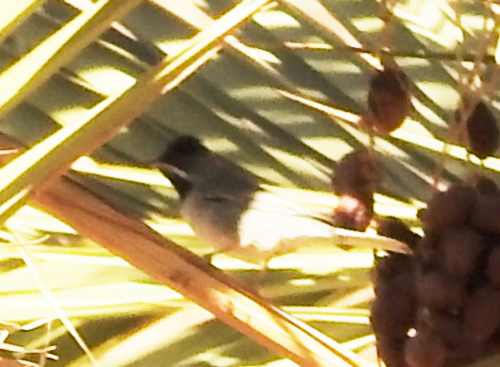 Curruca de Rüppell
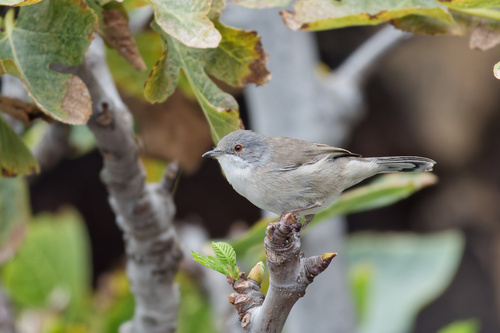 Curruca Cabecinegra
En breve
La marca de campo más fiable para separar la Curruca de Rüppell de la Curruca Cabecinegra es la audaz franja malar blanca ('bigote') en el macho adulto de Curruca de Rüppell, que divide claramente la garganta negra de la cabeza negra; los machos de Curruca Cabecinegra tienen una garganta blanca limpia sin tal división. Las hembras y los pájaros inmaduros son más complicados: enfócate en el color de la garganta y el tono de la cabeza, ya que las hembras de Curruca de Rüppell tienen una garganta pálida y una cabeza más grisácea, mientras que las hembras de Curruca Cabecinegra muestran una garganta blanca y partes superiores más marrones o con matices oliváceos. Ambas especies comparten ojos rojos y tamaño similar, pero la Curruca de Rüppell es más esbelta y a menudo parece más atenuada. Las vocalizaciones difieren sutilmente, con la Curruca de Rüppell produciendo un traqueteo más lento y profundo que la más rápida Curruca Cabecinegra. En el campo, el contexto y la atención cuidadosa al patrón de la cabeza y la garganta son clave, especialmente fuera de la temporada de cría.
Consejos de identificación
- Patrón de cabeza/garganta del macho adulto: La Curruca de Rüppell tiene una cabeza negra y una garganta negra separadas por una audaz franja malar blanca ('bigote'); la Curruca Cabecinegra tiene una cabeza negra pero una garganta blanca limpia sin negro que se extienda por debajo del pico. Esta es la marca más fiable en primavera y principios de verano.
- Cabeza y garganta de la hembra: La hembra de Curruca de Rüppell muestra una cabeza y garganta gris pálido, a menudo con un matiz marrón en la espalda; las hembras de Curruca Cabecinegra tienen una garganta blanca y una corona y espalda más marrones o con matices oliváceos. En la Curruca Cabecinegra, la garganta blanca suele estar bien definida.
- Plumaje inmaduro/juvenil: Los juveniles de Curruca Cabecinegra son arenosos por encima y pálidos por debajo, careciendo de un fuerte contraste entre la cabeza y la garganta; los jóvenes de Curruca de Rüppell son generalmente más simples y grisáceos, pero esto es sutil y no siempre fiable.
- Pico y estructura: La Curruca de Rüppell tiene un pico más fino y puntiagudo y parece más esbelta y atenuada en general, especialmente cuando está posada. La Curruca Cabecinegra es más robusta, con una cola ligeramente más larga y alas más grandes (no siempre obvio excepto en comparación directa).
- Color de ojos: Ambas especies tienen ojos rojos como adultos, por lo que esto no es útil para la separación.
- Espalda y partes inferiores: Los adultos de Curruca de Rüppell tienen una espalda gris lisa con un matiz marrón y partes inferiores gris más pálido; los machos de Curruca Cabecinegra tienen una espalda gris y partes inferiores blanquecinas, mientras que las hembras pueden mostrar tonos oliváceos o oxidados dependiendo de la subespecie.
- Patrón malar/cara: Solo la Curruca de Rüppell (macho adulto) muestra un malar blanco bien definido que divide la cabeza negra y la garganta. Los machos de Curruca Cabecinegra tienen una garganta blanca pero sin división malar.
- Canto: La Curruca de Rüppell produce un traqueteo más lento y profundo; el canto de la Curruca Cabecinegra es más rápido y agudo. Útil si se escucha bien, pero no siempre es diagnóstico en encuentros breves.
- Hábitat y distribución: En el Mediterráneo occidental, la Curruca Cabecinegra es mucho más probable; en el sureste de Europa y las islas del Egeo, ambas pueden ocurrir, pero la Curruca de Rüppell es más localizada. Usa la distribución y el hábitat como contexto de apoyo, no como identificación primaria.
- Variación de subespecies: La Curruca Cabecinegra muestra una variación considerable en el plumaje de hembras e inmaduros, con algunas subespecies (por ejemplo, momus) mostrando tonos oxidados u oliváceos; siempre verifica primero el color de la garganta y el patrón de la cabeza.
- Forma de la cola: La cola de la Curruca Cabecinegra es a menudo ligeramente más larga y más cuadrada en algunas subespecies, pero esta no es una marca de campo fuerte.
- Cambio estacional: Fuera de la temporada de cría, los machos pueden parecer más apagados y menos marcados, lo que dificulta la separación; enfócate en el patrón de la garganta y el malar si son visibles.
- Vistas en vuelo: No hay marcas distintivas en el ala superior o en el vuelo que separen estas especies; confía en la estructura y el patrón de la cabeza/garganta si se vislumbran en vuelo.
- Claves contextuales: Si se ve en un jardín o matorral urbano en Europa occidental, la Curruca Cabecinegra es abrumadoramente probable; en el matorral rocoso y abierto de Grecia o Turquía, considera la Curruca de Rüppell si el patrón de la cabeza/garganta se ajusta.
- Trampas: Ten cuidado con los pájaros mal marcados o desgastados; siempre intenta ver la cabeza y la garganta claramente, y usa múltiples características en combinación.
Tamaño
Ambas especies son similares en longitud y masa generales, pero la Curruca de Rüppell se describe como más esbelta y más atenuada que la Curruca Cabecinegra, que tiende a verse más robusta con una cola ligeramente más larga y alas más grandes (especialmente en la subespecie nominal). Estas diferencias son sutiles en el campo y rara vez son diagnósticas por sí solas, pero la Curruca de Rüppell puede parecer un poco más delicada y con un pico más fino cuando se ve lado a lado.
Plumaje
No se describen patrones distintivos de ala superior juveniles o inmaduros para ninguna de las especies, por lo que la separación depende del patrón de la cabeza y la garganta a través de edades y sexos.
- Machos adultos: La Curruca de Rüppell muestra una cabeza negra y una garganta negra impactantes, divididas claramente por una franja malar blanca; los machos de Curruca Cabecinegra tienen una cabeza negra, pero la garganta es blanca limpia, sin negro que se extienda sobre la garganta y sin división malar.
- Hembras adultas: Las hembras de Curruca de Rüppell tienen una cabeza y garganta gris más pálido, con la garganta a menudo coincidiendo con las partes inferiores y careciendo de un fuerte contraste; las hembras de Curruca Cabecinegra tienen una garganta blanca y una espalda y corona más marrones o con matices oliváceos, a veces con un tono oliváceo más profundo o oxidado dependiendo de la subespecie.
- Inmaduros/juveniles: Los juveniles de Curruca Cabecinegra son arenosos por encima y pálidos por debajo, careciendo de un fuerte contraste entre la cabeza y la garganta; los jóvenes de Curruca de Rüppell están menos bien descritos, pero generalmente muestran un aspecto más simple y pálido con un tono grisáceo y sin un fuerte patrón malar o de garganta.
Ambas especies tienen ojos rojos, pero esto no es diagnóstico.
Comportamiento
Ambas especies son warblers activas y furtivas que a menudo se encuentran en vegetación densa y baja. La Curruca de Rüppell puede parecer ligeramente más esbelta y ágil, pero las diferencias de comportamiento son sutiles y no son fiables para la separación. Ambas pueden ser esquivas y se identifican mejor por su plumaje y voz.
Hábitat
La Curruca de Rüppell cría en el sureste de Europa (Grecia, Turquía, islas cercanas) y pasa el invierno en el noreste de África, favoreciendo laderas rocosas y matorrales. La Curruca Cabecinegra es mucho más extensa alrededor de la cuenca mediterránea, incluyendo Iberia, el norte de África y el Cercano Oriente, y es generalmente común en matorrales mediterráneos, jardines y matorrales costeros. Es posible que haya superposición en el Mediterráneo oriental, pero la Curruca Cabecinegra es más probable en áreas occidentales y es en general mucho más abundante.
Voz
El canto de la Curruca de Rüppell es un traqueteo más lento y profundo en comparación con el canto más rápido y agudo de la Curruca Cabecinegra. Ambas especies emiten llamadas ásperas y regañonas, pero la diferencia en el tempo y la profundidad del canto puede ser útil si se escucha bien. Sin embargo, estas diferencias son sutiles y requieren experiencia para usarlas con confianza.
Curruca de Rüppell · Curruca Cabecinegra · Mis aves difíciles