

toutinegra-do-levante vs toutinegra-de-bigodes-oriental
Curruca ruppeli versus Curruca cantillans
Jogue um quiz com toutinegra-do-levante e toutinegra-de-bigodes-oriental
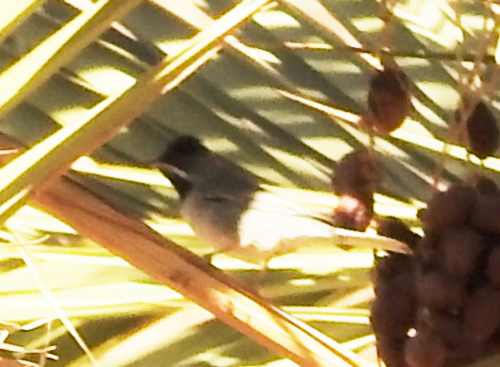 toutinegra-do-levante
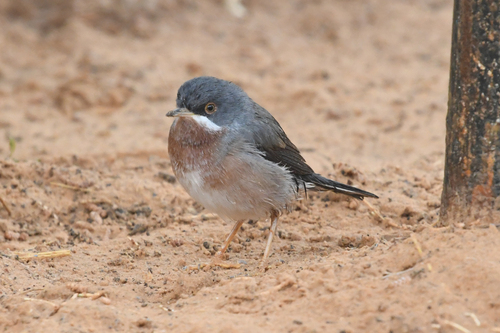 toutinegra-de-bigodes-oriental
Em resumo
A marca de campo mais confiável entre a toutinegra-do-levante e a toutinegra-de-bigodes-oriental é o padrão da cabeça e da garganta do macho: o macho da toutinegra-do-levante apresenta uma cabeça e garganta pretas com um 'bigode' branco nítido, enquanto o macho da toutinegra-de-bigodes-oriental tem uma cabeça cinza, máscara escura e partes inferiores vermelho-tijolo nitidamente demarcadas de uma barriga branca. As fêmeas são mais complicadas: a fêmea da toutinegra-do-levante é mais cinza na parte superior com uma garganta pálida, enquanto a fêmea da toutinegra-de-bigodes-oriental é mais marrom na parte superior e apresenta um tom rosado na parte inferior. Ambas as espécies têm uma faixa malar branca, mas sua proeminência e a coloração ao redor diferem. As canções também são úteis: a da toutinegra-do-levante é mais lenta e profunda, enquanto a da toutinegra-de-bigodes-oriental é mais rápida e mais ruidosa. Pássaros imaturos/primeiro inverno não são descritos em detalhes nas fontes, então cautela é necessária com pássaros não adultos.
Dicas de identificação
- Padrão da cabeça e garganta do macho adulto: O macho da toutinegra-do-levante tem uma cabeça e garganta pretas com uma faixa malar branca nítida; o macho da toutinegra-de-bigodes-oriental tem uma cabeça cinza, máscara escura e garganta/peito vermelho-tijolo com uma ampla faixa submoustachial branca. Esta é a marca de campo mais confiável para machos adultos.
- Coloração das partes inferiores nos machos: A toutinegra-do-levante tem partes inferiores cinzas mais claras abaixo da garganta preta; a toutinegra-de-bigodes-oriental tem vermelho-tijolo na garganta e peito, nitidamente demarcados de uma barriga branca e flancos mais claros.
- Partes superiores das fêmeas: A fêmea da toutinegra-do-levante é cinza na parte superior com um tom acastanhado; a fêmea da toutinegra-de-bigodes-oriental é mais marrom na parte superior com uma cabeça mais cinza. Use isso em combinação com a cor da garganta e das partes inferiores.
- Partes inferiores das fêmeas: A fêmea da toutinegra-do-levante tem uma garganta pálida e partes inferiores cinzas mais claras; a fêmea da toutinegra-de-bigodes-oriental é esbranquiçada abaixo com um tom rosado, especialmente nos flancos e na parte inferior da barriga.
- Faixa malar branca ('bigode'): Ambas as espécies apresentam isso, mas é mais larga e contrastante na toutinegra-de-bigodes-oriental, especialmente nos machos. Na toutinegra-do-levante, é uma linha nítida separando o preto e o cinza.
- Bico e pernas: Ambas têm bicos finos e pontudos e pernas marrons; não são úteis para separação.
- Cor dos olhos: A toutinegra-do-levante tem olhos vermelhos; a cor dos olhos não é especificada para a toutinegra-de-bigodes-oriental nas fontes, então use com cautela.
- Canção: A toutinegra-do-levante tem um ruidoso mais lento e profundo; a da toutinegra-de-bigodes-oriental é rápida e ruidosa. Use a canção se vista mal ou em cobertura densa.
- Habitat: Ambas usam áreas secas e arbustivas; não confie apenas no habitat para separação em regiões sobrepostas.
- Pássaros imaturos/primeiro inverno: Nenhuma marca diagnóstica de asa superior ou juvenil é descrita nas fontes. Exercite cautela e evite a superconfiança ao identificar pássaros não adultos.
- Estrutura geral: Ambas são pequenas e esbeltas, com estrutura semelhante; a estrutura não é um separador confiável.
- Estação e contexto: Se na Grécia, Turquia ou ilhas próximas na estação de reprodução, a toutinegra-do-levante é mais provável; no extremo sul da Europa, especialmente a oeste da Grécia, a toutinegra-de-bigodes-oriental é mais provável. No entanto, ambas podem se sobrepor durante a migração.
- Armadilhas de plumagem: Cuidado com machos desbotados ou desgastados, que podem perder a nitidez do contraste da cabeça e garganta. Fêmeas e imaturos são especialmente propensos à confusão; use uma combinação de tom das partes superiores, tom das partes inferiores e largura da faixa malar.
- Variação de subespécies: A toutinegra-de-bigodes-oriental tem variação regional na plumagem dos machos, mas todos mostram o contraste chave da garganta/peito vermelho-tijolo e barriga branca nitidamente demarcada.
- Quando em dúvida: Se o pássaro não for um macho adulto óbvio, e você não puder ver claramente o padrão da cabeça/garganta ou a cor das partes inferiores, considere a possibilidade de qualquer uma das espécies e não se comprometa demais.
Tamanho
Ambas as espécies são pequenas toutinegras Curruca e são muito semelhantes em tamanho, com a toutinegra-do-levante descrita como mais esbelta que a toutinegra-dos-valados, e a toutinegra-de-bigodes-oriental como uma pequena Sylviid. Não há diferença clara de tamanho ou massa entre essas duas, então a estrutura e a plumagem são mais úteis que o tamanho para separação.
Plumagem
- Machos Adultos: Os machos da toutinegra-do-levante têm uma cabeça e garganta pretas separadas por uma faixa malar branca nítida; o restante das partes inferiores é cinza mais claro. Os machos da toutinegra-de-bigodes-oriental têm uma cabeça e costas cinzas, uma máscara escura nas lore e coberturas auriculares, uma ampla faixa submoustachial branca e coloração vermelho-tijolo na garganta e peito, nitidamente demarcados de uma barriga branca e flancos mais claros.
- Fêmeas Adultas: As fêmeas da toutinegra-do-levante têm cabeça cinza com uma garganta pálida e costas cinzas com um tom acastanhado. As fêmeas da toutinegra-de-bigodes-oriental são mais marrons na parte superior, com uma cabeça mais cinza, e partes inferiores esbranquiçadas com um tom rosado. Ambas têm uma faixa malar branca, mas é mais larga e contrastante na toutinegra-de-bigodes-oriental.
- Imaturos/Juvenis: As fontes não fornecem detalhes diagnósticos para plumagem imatura ou juvenil ou padrões de asa superior para qualquer uma das espécies, então cautela é necessária ao identificar pássaros fora da plumagem de reprodução adulta.
- Características Compartilhadas: Ambas as espécies têm bicos finos e pontudos, pernas marrons e olhos vermelhos (pelo menos na toutinegra-do-levante). Ambas mostram a faixa malar branca, mas o contexto e o contraste diferem.
Comportamento
Nenhuma diferença comportamental diagnóstica é descrita entre essas duas espécies nas fontes. Ambas são típicas pequenas toutinegras, provavelmente vistas se movendo através de arbustos baixos e matas, e ambas são insetívoras com algum consumo de frutas. Nenhuma diferença no estilo de voo ou comportamento de forrageio é notada.
Habitat
Ambas as espécies se reproduzem na região do Mediterrâneo, com a toutinegra-do-levante encontrada na Grécia, Turquia e ilhas próximas, e a toutinegra-de-bigodes-oriental nas áreas mais ao sul da Europa. Ambas preferem áreas secas e abertas com arbustos ou arbustos baixos para nidificação. A sobreposição de habitat é possível no sudeste da Europa, então o habitat sozinho não é um separador confiável.
Voz
A toutinegra-do-levante tem um ruidoso mais lento e profundo em comparação com a toutinegra-de-bigodes-oriental. A canção da toutinegra-de-bigodes-oriental é rápida e ruidosa, semelhante ao papa-amoras-cinzento. Se você ouvir um ruidoso distintamente lento e profundo, a toutinegra-do-levante é mais provável; um ruidoso rápido e tagarela aponta para a toutinegra-de-bigodes-oriental. No entanto, ambas as canções são variações do tema da toutinegra Curruca e podem ser confundidas à distância ou em condições ruins.
toutinegra-do-levante · toutinegra-de-bigodes-oriental · Minhas aves difíceis