

Bigia di Rueppell vs Sterpazzolina orientale
Curruca ruppeli contro Curruca cantillans
Fai un quiz con Bigia di Rueppell e Sterpazzolina orientale
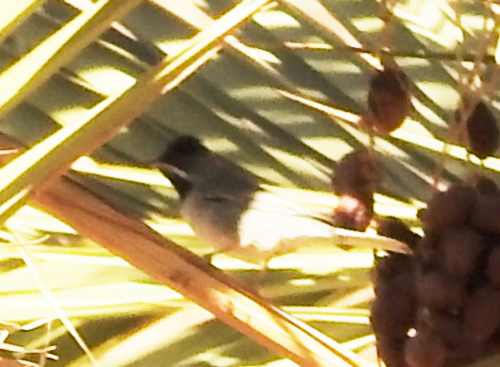 Bigia di Rueppell
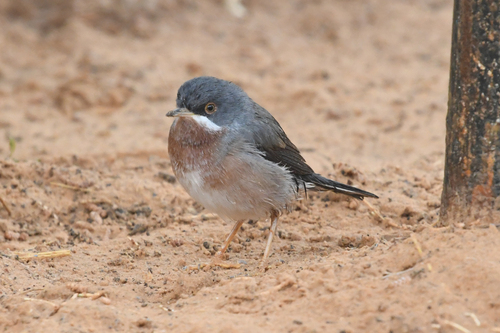 Sterpazzolina orientale
In breve
Il segno di campo più affidabile tra la Bigia di Rueppell e la Sterpazzolina orientale è il motivo della testa e della gola del maschio: il maschio della Bigia di Rueppell mostra una testa e una gola nere con un 'baffo' bianco netto, mentre il maschio della Sterpazzolina orientale ha una testa grigia, una maschera nerastro e parti inferiori rosso mattone nettamente demarcate da un ventre bianco. Le femmine sono più difficili: la femmina della Bigia di Rueppell è più grigia sopra con una gola chiara, mentre la femmina della Sterpazzolina orientale è più marrone sopra e mostra una sfumatura rosata sotto. Entrambe le specie hanno una striscia malare bianca, ma la sua prominenza e la colorazione circostante differiscono. Anche i canti sono utili: il canto della Bigia di Rueppell è più lento e profondo, quello della Sterpazzolina orientale è più veloce e più frastagliato. Gli uccelli immaturi/di primo inverno non sono descritti in dettaglio nelle fonti, quindi è necessaria cautela con gli uccelli non adulti.
Consigli di identificazione
- Motivo della testa e della gola del maschio adulto: Il maschio della Bigia di Rueppell ha una testa e una gola nere con una striscia malare bianca netta; il maschio della Sterpazzolina orientale ha una testa grigia, una maschera nerastro e una gola/petto rosso mattone con una larga striscia submoustachiale bianca. Questo è il segno di campo più affidabile per i maschi adulti.
- Colorazione delle parti inferiori nei maschi: La Bigia di Rueppell ha parti inferiori grigie più chiare sotto la gola nera; la Sterpazzolina orientale ha rosso mattone sulla gola e sul petto, nettamente demarcato da un ventre bianco e fianchi più chiari.
- Parte superiore delle femmine: La femmina della Bigia di Rueppell è grigia sopra con una sfumatura marrone; la femmina della Sterpazzolina orientale è più marrone sopra con una testa più grigia. Usa questo in combinazione con il colore della gola e delle parti inferiori.
- Parti inferiori delle femmine: La femmina della Bigia di Rueppell ha una gola chiara e parti inferiori grigie più chiare; la femmina della Sterpazzolina orientale è biancastra sotto con una sfumatura rosa, specialmente sui fianchi e sul ventre inferiore.
- Striscia malare bianca ('baffo'): Entrambe le specie mostrano questo, ma è più ampia e più contrastante nella Sterpazzolina orientale, specialmente nei maschi. Nella Bigia di Rueppell, è una linea netta che separa il nero e il grigio.
- Becco e zampe: Entrambe hanno becchi fini e appuntiti e zampe marroni; non sono utili per la separazione.
- Colore degli occhi: La Bigia di Rueppell ha occhi rossi; il colore degli occhi non è specificato per la Sterpazzolina orientale nelle fonti, quindi usa con cautela.
- Canto: La Bigia di Rueppell ha un ronzio più lento e profondo; quello della Sterpazzolina orientale è veloce e frastagliato. Usa il canto se visto male o in copertura densa.
- Habitat: Entrambe usano aree secche e cespugliose; non fare affidamento solo sull'habitat per la separazione nelle regioni sovrapposte.
- Uccelli immaturi/di primo inverno: Nessun segno diagnostico della parte superiore dell'ala o segni giovanili sono descritti nelle fonti. Esercita cautela e evita l'eccessiva fiducia nell'identificazione degli uccelli non adulti.
- Struttura: Entrambi sono piccoli, slanciati e con una struttura simile; la struttura non è un separatore affidabile.
- Stagione e contesto: Se in Grecia, Turchia o isole vicine durante la stagione di nidificazione, è più probabile che sia la Bigia di Rueppell; nell'Europa meridionale, specialmente a ovest della Grecia, è più probabile che sia la Sterpazzolina orientale. Tuttavia, entrambe possono sovrapporsi durante la migrazione.
- Trappole del piumaggio: Fai attenzione ai maschi sbiaditi o usurati, che possono perdere la nitidezza del contrasto tra testa e gola. Le femmine e gli immaturi sono particolarmente soggetti a confusione; usa una combinazione di tono della parte superiore, sfumatura delle parti inferiori e larghezza della striscia malare.
- Variazione delle sottospecie: La Sterpazzolina orientale ha variazione regionale nel piumaggio maschile, ma tutti mostrano il contrasto chiave della gola/petto rosso mattone e del ventre bianco nettamente demarcato.
- Quando hai dubbi: Se l'uccello non è un ovvio maschio adulto, e non puoi vedere chiaramente il motivo della testa/gola o il colore delle parti inferiori, considera la possibilità di entrambe le specie e non impegnarti eccessivamente.
Taglia
Entrambe le specie sono piccoli uccelli Curruca e sono molto simili in dimensioni, con la Bigia di Rueppell descritta come più snella rispetto all'Occhiocotto, e la Sterpazzolina orientale come un piccolo Sylviid. Non c'è una chiara differenza di dimensioni o massa tra questi due, quindi la struttura e il piumaggio sono più utili della dimensione per la separazione.
Piumaggio
- Maschi adulti: I maschi della Bigia di Rueppell hanno una testa e una gola nere separate da una netta striscia malare bianca; il resto delle parti inferiori è grigio più chiaro. I maschi della Sterpazzolina orientale hanno una testa e un dorso grigi, una maschera nerastro sulle lore e sulle copritrici auricolari, una larga striscia submoustachiale bianca e colorazione rosso mattone sulla gola e sul petto, nettamente separati da un ventre bianco e fianchi più chiari.
- Femmine adulte: Le femmine della Bigia di Rueppell sono con testa grigia e gola chiara e un dorso grigio con una sfumatura marrone. Le femmine della Sterpazzolina orientale sono più marroni sopra, con una testa più grigia, e parti inferiori biancastre con una sfumatura rosata. Entrambe hanno una striscia malare bianca, ma è più ampia e più contrastante nella Sterpazzolina orientale.
- Immaturi/Giovanili: Le fonti non forniscono dettagli diagnostici per il piumaggio immaturo o giovanile o per i motivi della parte superiore dell'ala per entrambe le specie, quindi è necessaria cautela nell'identificare gli uccelli al di fuori del piumaggio di nidificazione degli adulti.
- Caratteristiche condivise: Entrambe le specie hanno becchi fini e appuntiti, zampe marroni e occhi rossi (almeno nella Bigia di Rueppell). Entrambe mostrano la striscia malare bianca, ma il contesto e il contrasto differiscono.
Comportamento
Nessuna differenza comportamentale diagnostica è descritta tra queste due specie nelle fonti. Entrambe sono tipici piccoli uccelli, probabilmente visti muoversi attraverso cespugli e arbusti bassi, e entrambe sono insetti voraci con un certo consumo di bacche. Non sono state notate differenze nello stile di volo o nel comportamento di foraggiamento.
Habitat
Entrambe le specie nidificano nella regione mediterranea, con la Bigia di Rueppell trovata in Grecia, Turchia e isole vicine, e la Sterpazzolina orientale nelle aree più meridionali d'Europa. Entrambe preferiscono terreni asciutti e aperti con cespugli o arbusti bassi per il nido. È possibile una sovrapposizione dell'habitat nel sud-est dell'Europa, quindi l'habitat da solo non è un separatore affidabile.
Voce
La Bigia di Rueppell ha un ronzio più lento e profondo rispetto alla Sterpazzolina orientale. Il canto della Sterpazzolina orientale è veloce e frastagliato, simile alla Bigiarella. Se senti un ronzio distintamente lento e profondo, è più probabile che sia la Bigia di Rueppell; un ronzio veloce e chiacchieroso indica la Sterpazzolina orientale. Tuttavia, entrambi i canti sono variazioni sul tema degli uccelli Curruca e possono essere confusi a distanza o in condizioni sfavorevoli.
Bigia di Rueppell · Sterpazzolina orientale · I miei uccelli difficili