

trinta-réis-róseo vs trinta-réis-de-bando
Sterna dougallii versus Thalasseus sandvicensis
Jogue um quiz com trinta-réis-róseo e trinta-réis-de-bando
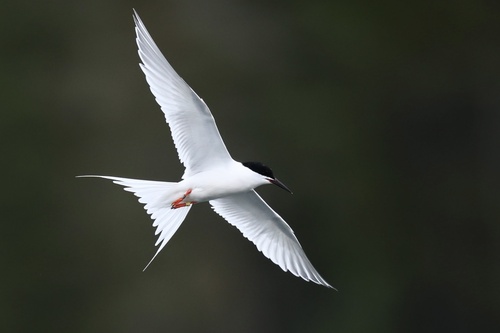 trinta-réis-róseo
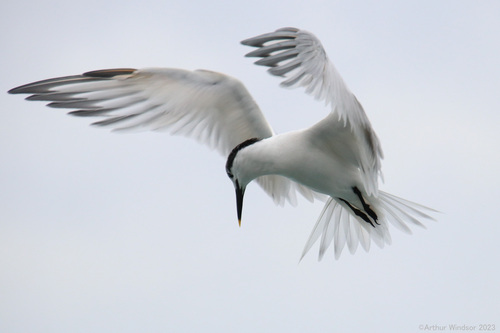 trinta-réis-de-bando
Em resumo
A marca de campo mais confiável para separar o trinta-réis-róseo do trinta-réis-de-bando é o bico: o trinta-réis-róseo tem um bico preto fino com uma base vermelha (geralmente mais extensa na época de reprodução), enquanto o trinta-réis-de-bando apresenta um bico preto mais longo e robusto com uma ponta amarela distinta. Aves juvenis e imaturas podem ser complicadas, mas o trinta-réis-róseo é menor, com longas penas de cauda e pernas laranja-vermelho, enquanto o trinta-réis-de-bando é maior, com uma cauda mais curta e pernas pretas. Em voo, ambos parecem pálidos com primárias escurecendo no verão, mas o trinta-réis-róseo tem asas mais curtas e um voo mais rápido e ágil. Diferenças de voz e plumagem sutis, especialmente no padrão da cabeça e na cor do bico, são fundamentais na plumagem não reprodutiva.
Dicas de identificação
- Cor e forma do bico (todas as idades): O trinta-réis-róseo tem um bico preto fino e afiado com uma base vermelha (tornando-se mais extensa na época de reprodução), enquanto o trinta-réis-de-bando tem um bico preto mais longo e robusto com uma ponta amarela. Em juvenis, o bico do trinta-réis-de-bando é todo escuro, mas nunca mostra a base vermelha do trinta-réis-róseo.
- Cor das pernas (adultos): O trinta-réis-róseo tem pernas laranja-vermelho, enquanto as pernas do trinta-réis-de-bando são pretas. Isso é visível quando as aves estão empoleiradas ou pousando.
- Penas de cauda (adultos): O trinta-réis-róseo tem penas de cauda muito longas e flexíveis, frequentemente se estendendo bem além das pontas das asas quando empoleirado. A cauda do trinta-réis-de-bando é mais curta e menos profundamente bifurcada.
- Tamanho e estrutura: O trinta-réis-de-bando é maior e mais robusto, com uma envergadura maior e uma construção mais pesada. O trinta-réis-róseo é mais delicado, com asas mais curtas e mais leve no geral.
- Estilo de voo: O trinta-réis-róseo tem batidas de asa mais rápidas e ágeis e parece ter asas mais curtas em voo. O trinta-réis-de-bando é mais lânguido e poderoso, com asas mais longas.
- Padrão da coroa juvenil: O trinta-réis-róseo juvenil tem uma touca preta mais cheia, enquanto o trinta-réis-de-bando juvenil tem menos preto na coroa.
- Cauda juvenil: O trinta-réis-de-bando juvenil tem pontas escuras na cauda, uma característica não observada no trinta-réis-róseo.
- Partes superiores juvenis: Ambas as espécies têm aparência escamosa acima, mas isso não é uma marca de separação confiável entre elas.
- Partes inferiores de verão dos adultos: O trinta-réis-róseo desenvolve um tom rosado nas partes inferiores na plumagem de reprodução; o trinta-réis-de-bando permanece branco por baixo.
- Cabeça de inverno dos adultos: Ambas as espécies desenvolvem uma testa branca no inverno, mas a do trinta-réis-de-bando é mais extensa e o bico mantém uma ponta amarela; o bico do trinta-réis-róseo torna-se todo preto.
- Cor das pernas em voo: Se as pernas forem visíveis, as pernas laranja-vermelho do trinta-réis-róseo podem ser um fator decisivo, especialmente em voo ou ao pousar.
- Voz: O chamado 'chuwit' do trinta-réis-róseo é bastante distinto do 'kear-ik' estridente do trinta-réis-de-bando; use isso quando as aves estiverem chamando.
- Habitat e contexto: Na Europa, o trinta-réis-róseo é raro e localizado, frequentemente em colônias protegidas com caixas-ninho, enquanto o trinta-réis-de-bando é mais disseminado e abundante.
- Associação com outras espécies de trinta-réis: O trinta-réis-róseo frequentemente se reproduz entre trinta-réis-comuns e trinta-réis-árticos, dependendo deles para defesa; o trinta-réis-de-bando é frequentemente encontrado em colônias maiores e mais abertas.
- Armadilhas: Ambas as espécies parecem muito pálidas em voo com primárias escurecendo no verão, então não confie apenas na palidez geral. A cor do bico, a cor das pernas e o comprimento da cauda são mais confiáveis.
Tamanho
O trinta-réis-róseo é um trinta-réis de tamanho pequeno a médio, medindo 33–36 cm de comprimento com uma envergadura de 67–76 cm [wikipedia]. O trinta-réis-de-bando é notavelmente maior, com 36–41 cm de comprimento e uma envergadura de 95–105 cm [wikipedia]. Essa diferença de tamanho é frequentemente visível em bandos mistos, com o trinta-réis-de-bando parecendo mais robusto e com asas mais longas. A diferença de peso também é substancial: o trinta-réis-de-bando pesa em média 200–300 g, enquanto o trinta-réis-róseo é mais leve (massa exata não fornecida, mas o tamanho menor indica menos peso) [avonet].
Plumagem
- Aves juvenis/imaturas: Ambas as espécies têm uma aparência escamosa nas costas e asas, mas o trinta-réis-róseo juvenil tem uma touca preta mais cheia, enquanto o trinta-réis-de-bando juvenil tem menos preto na coroa e pontas escuras na cauda. O bico do trinta-réis-de-bando juvenil é todo escuro (às vezes amarelado na base), sem a ponta amarela, enquanto o bico do trinta-réis-róseo juvenil é preto com uma possível base avermelhada.
- Adultos (reprodução): O trinta-réis-róseo apresenta um bico preto fino com uma base vermelha (às vezes quase totalmente vermelha em algumas populações), penas de cauda muito longas e flexíveis, e pernas laranja-vermelho. As asas superiores são cinza pálido, as partes inferiores são brancas e, no verão, os adultos desenvolvem um tom rosado no peito. O trinta-réis-de-bando tem um bico preto mais robusto com uma ponta amarela, pernas pretas e uma cauda mais curta. Suas asas superiores são cinza pálido, as partes inferiores são brancas e as primárias escurecem no verão. Ambos parecem pálidos em voo, mas o trinta-réis-de-bando é maior e mais robusto.
- Adultos (não reprodução): Ambas as espécies desenvolvem uma testa branca no inverno, mas a do trinta-réis-de-bando é mais extensa. O bico do trinta-réis-róseo torna-se todo preto no inverno; o bico do trinta-réis-de-bando permanece preto com uma ponta amarela.
- Voo: O trinta-réis-róseo é mais curto nas asas e tem batidas de asa mais rápidas; o trinta-réis-de-bando tem asas mais longas e é mais lânguido em voo. Ambos parecem pálidos, mas as penas de cauda do trinta-réis-róseo são mais proeminentes.
Comportamento
O trinta-réis-róseo é mais ágil e flutuante em voo, com batidas de asa mais rápidas e uma aparência mais delicada e de asas curtas. Frequentemente faz ninhos em locais parcialmente ocultos ou sob vegetação, às vezes usando caixas-ninho. O trinta-réis-de-bando é mais robusto e poderoso em voo, com asas mais longas e um estilo de voo mais direto e menos agitado. Ambas as espécies são nidificadoras coloniais, mas o trinta-réis-róseo é menos defensivo de seu ninho, frequentemente dependendo de outras espécies de trinta-réis para proteção.
Habitat
Ambas as espécies se reproduzem em colônias nas costas e ilhas, frequentemente com outras aves marinhas. O trinta-réis-róseo prefere locais de ninho mais ocultos, frequentemente sob vegetação ou em caixas-ninho, enquanto o trinta-réis-de-bando é menos exigente quanto à cobertura. Na Europa, o trinta-réis-róseo é muito mais raro e localizado, com fortalezas na Irlanda e em alguns locais do Reino Unido, enquanto o trinta-réis-de-bando é mais disseminado e abundante ao longo de costas adequadas.
Voz
O trinta-réis-róseo emite um chamado característico 'chuwit', que é bastante distinto de outros trinta-réis e um pouco semelhante ao chamado de um maçarico-pintado. O trinta-réis-de-bando é muito vocal, com um chamado alto e estridente 'kear-ik' ou 'kerr ink'. Esses chamados são geralmente diagnósticos se ouvidos bem.
trinta-réis-róseo · trinta-réis-de-bando · Minhas aves difíceis