

Charrán Rosado vs Charrán Patinegro
Sterna dougallii frente a Thalasseus sandvicensis
Juega un quiz con Charrán Rosado y Charrán Patinegro
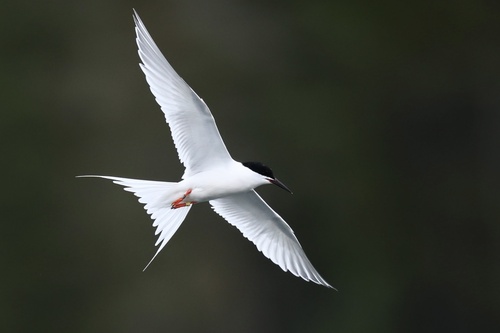 Charrán Rosado
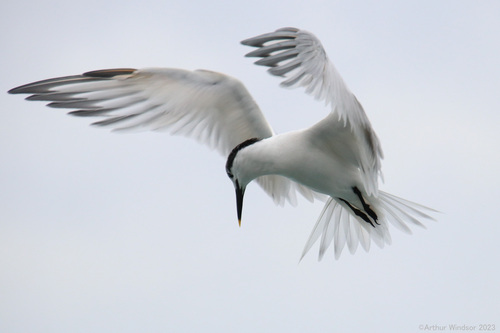 Charrán Patinegro
En breve
La marca de campo más confiable para separar el Charrán Rosado del Charrán Patinegro es el pico: el Charrán Rosado tiene un pico negro delgado con una base roja (a menudo más extensa en la temporada de cría), mientras que el Charrán Patinegro muestra un pico negro más largo y robusto con una punta amarilla distinta. Las aves juveniles e inmaduras pueden ser complicadas, pero el Charrán Rosado es más pequeño, con streamers de cola muy largos y patas de color naranja-rojo, mientras que el Charrán Patinegro es más grande, con una cola más corta y patas negras. En vuelo, ambos parecen pálidos con primarias oscurecidas en verano, pero el Charrán Rosado tiene alas más cortas y un vuelo más rápido y ágil. La voz y las diferencias sutiles en el plumaje, especialmente en el patrón de la cabeza y el color del pico, son clave en el plumaje no reproductivo.
Consejos de identificación
- Color y forma del pico (todas las edades): El Charrán Rosado tiene un pico negro delgado y afilado con una base roja (que se vuelve más extensa en la temporada de cría), mientras que el Charrán Patinegro tiene un pico negro más largo y robusto con una punta amarilla. En los juveniles, el pico del Charrán Patinegro es completamente negruzco pero nunca muestra la base roja del Charrán Rosado.
- Color de las patas (adultos): El Charrán Rosado tiene patas de color naranja-rojo, mientras que las patas del Charrán Patinegro son negras. Esto es visible cuando las aves están posadas o aterrizando.
- Streamers de cola (adultos): El Charrán Rosado tiene streamers de cola muy largos y flexibles, que a menudo se extienden más allá de las puntas de las alas cuando están posados. La cola del Charrán Patinegro es más corta y menos profundamente bifurcada.
- Tamaño y estructura: El Charrán Patinegro es más grande y robusto, con una envergadura más larga y una construcción más pesada. El Charrán Rosado es más delicado, con alas más cortas y más ligero en general.
- Estilo de vuelo: El Charrán Rosado tiene aleteos más rápidos y ágiles y parece tener alas más cortas en vuelo. El Charrán Patinegro es más lánguido y poderoso, con alas más largas.
- Patrón de la corona juvenil: El Charrán Rosado juvenil tiene una tapa negra más completa, mientras que el Charrán Patinegro juvenil tiene menos negro en la corona.
- Cola juvenil: El Charrán Patinegro juvenil tiene puntas oscuras en la cola, una característica no observada en el Charrán Rosado.
- Partes superiores juveniles: Ambas especies tienen una apariencia escamosa en la parte superior, pero esta no es una marca de separación confiable entre ellas.
- Partes inferiores de verano en adultos: El Charrán Rosado desarrolla un tinte rosado en las partes inferiores en plumaje de cría; el Charrán Patinegro permanece blanco por debajo.
- Cabeza de invierno en adultos: Ambas especies desarrollan una frente blanca en invierno, pero la del Charrán Patinegro es más extensa y el pico retiene una punta amarilla; el pico del Charrán Rosado se vuelve completamente negro.
- Color de las patas en vuelo: Si las patas son visibles, las patas de color naranja-rojo del Charrán Rosado pueden ser decisivas, especialmente en vuelo o al aterrizar.
- Voz: El llamado 'chuwit' del Charrán Rosado es bastante distinto del 'kear-ik' chirriante del Charrán Patinegro; usa esto cuando las aves están llamando.
- Hábitat y contexto: En Europa, el Charrán Rosado es raro y localizado, a menudo en colonias protegidas con cajas nido, mientras que el Charrán Patinegro es más extendido y abundante.
- Asociación con otros charranes: El Charrán Rosado a menudo cría entre Charranes Comunes y Árticos, dependiendo de ellos para defensa; el Charrán Patinegro suele estar en colonias más grandes y abiertas.
- Trampas: Ambas especies parecen muy pálidas en vuelo con primarias oscurecidas en verano, así que no te bases únicamente en la palidez general. El color del pico, el color de las patas y la longitud de la cola son más confiables.
Tamaño
El Charrán Rosado es un charrán de tamaño pequeño a mediano, midiendo 33–36 cm de longitud con una envergadura de 67–76 cm [wikipedia]. El Charrán Patinegro es notablemente más grande, con 36–41 cm de largo y una envergadura de 95–105 cm [wikipedia]. Esta diferencia de tamaño es a menudo visible en bandadas mixtas, con el Charrán Patinegro apareciendo más robusto y con alas más largas. La diferencia de peso también es sustancial: el Charrán Patinegro promedia 200–300 g, mientras que el Charrán Rosado es más ligero (no se proporciona la masa exacta, pero el tamaño más pequeño indica menos peso) [avonet].
Plumaje
- Aves juveniles/inmaduras: Ambas especies tienen una apariencia escamosa en la espalda y las alas, pero el Charrán Rosado juvenil tiene una tapa negra más completa, mientras que el Charrán Patinegro juvenil tiene menos negro en la corona y puntas oscuras en la cola. El pico del Charrán Patinegro juvenil es completamente negruzco (a veces amarillento en la base), careciendo de la punta amarilla, mientras que el pico juvenil del Charrán Rosado es negro con una posible base rojiza.
- Adultos (cría): El Charrán Rosado muestra un pico negro delgado con una base roja (a veces casi completamente roja en algunas poblaciones), streamers de cola muy largos y flexibles, y patas de color naranja-rojo. Las alas superiores son de color gris pálido, las partes inferiores son blancas, y en verano, los adultos desarrollan un tinte rosado en el pecho. El Charrán Patinegro tiene un pico negro más robusto con una punta amarilla, patas negras y una cola más corta. Sus alas superiores son de color gris pálido, las partes inferiores son blancas, y las primarias se oscurecen en verano. Ambos parecen pálidos en vuelo, pero el Charrán Patinegro es más grande y robusto.
- Adultos (no cría): Ambas especies desarrollan una frente blanca en invierno, pero la del Charrán Patinegro es más extensa. El pico del Charrán Rosado se vuelve completamente negro en invierno; el pico del Charrán Patinegro permanece negro con una punta amarilla.
- Vuelo: El Charrán Rosado tiene alas más cortas y aleteos más rápidos; el Charrán Patinegro tiene alas más largas y es más lánguido en vuelo. Ambos parecen pálidos, pero los streamers de cola del Charrán Rosado son más prominentes.
Comportamiento
El Charrán Rosado es más ágil y flotante en vuelo, con aleteos más rápidos y una apariencia más delicada y de alas más cortas. A menudo anida en sitios parcialmente ocultos o bajo vegetación, a veces utilizando cajas nido. El Charrán Patinegro es más robusto y poderoso en vuelo, con alas más largas y un estilo de vuelo más directo y menos aleteante. Ambas especies son anidantes coloniales, pero el Charrán Rosado es menos defensivo de su nido, a menudo dependiendo de otras especies de charranes para protección.
Hábitat
Ambas especies crían en colonias en costas e islas, a menudo con otras aves marinas. El Charrán Rosado prefiere sitios de anidación más ocultos, a menudo bajo vegetación o en cajas nido, mientras que el Charrán Patinegro es menos particular sobre la cobertura. En Europa, el Charrán Rosado es mucho más raro y localizado, con bastiones en Irlanda y algunos sitios del Reino Unido, mientras que el Charrán Patinegro es más extendido y abundante a lo largo de costas adecuadas.
Voz
El Charrán Rosado emite un llamado característico 'chuwit', que es bastante distinto de otros charranes y algo similar al llamado de un archibebe manchado. El Charrán Patinegro es muy vocal, con un llamado fuerte y chirriante 'kear-ik' o 'kerr ink'. Estos llamados son generalmente diagnósticos si se escuchan bien.