

rose-throated becard vs black-and-yellow silky-flycatcher
Pachyramphus aglaiae versus Phainoptila melanoxantha
Jogue um quiz com rose-throated becard e black-and-yellow silky-flycatcher
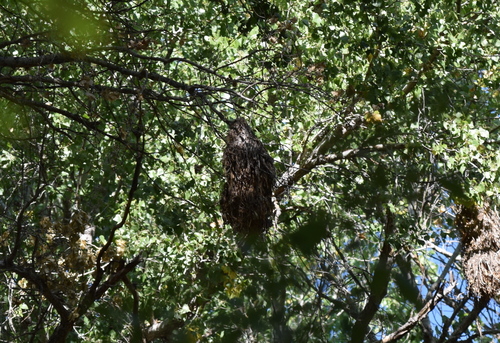 rose-throated becard
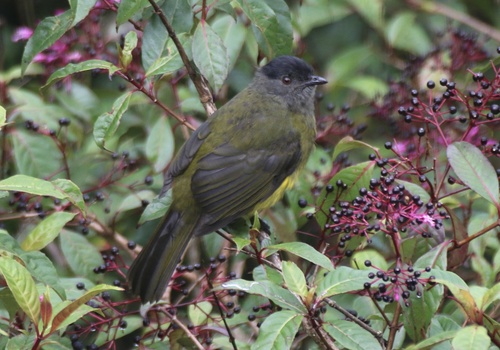 black-and-yellow silky-flycatcher
Em resumo
A marca de campo mais confiável para separar o rose-throated becard do black-and-yellow silky-flycatcher é a cor e o padrão geral da plumagem: o silky-flycatcher é audaciosamente preto e amarelo, com uma clara região amarela na cauda e partes inferiores, enquanto o becard é muito mais discreto, com machos sendo principalmente cinzas e fêmeas marrons. Becards juvenis e fêmeas podem ser especialmente confusos, mas o corpo robusto, a cauda arredondada e os blocos de cores marcantes do silky-flycatcher são únicos. Em voo ou empoleirado, a região amarela na cauda e partes inferiores do silky-flycatcher se destacam, enquanto os becards sempre carecem desse contraste. Ambas as espécies ocorrem na América Central, mas o becard se estende mais ao norte e é encontrado em altitudes mais baixas em comparação com o silky-flycatcher restrito a áreas montanhosas.
Dicas de identificação
- Amarelo vs. Sem Amarelo: O black-and-yellow silky-flycatcher sempre apresenta um amarelo brilhante na cauda, flancos, parte inferior da cauda e (em algumas subespécies) em todo o peito. O rose-throated becard nunca apresenta amarelo em qualquer plumagem ou idade.
- Cabeça e Crista: Os machos becards têm uma coroa ou crista cinza escuro a preta, frequentemente erguida, enquanto os silky-flycatchers têm uma cabeça preta lisa e arredondada (macho) ou cinza sujo (fêmea/juvenil) sem crista.
- Mancha na Garganta: Machos adultos de becards podem apresentar uma mancha na garganta de cor rosa, mas isso é variável e pode estar ausente, especialmente em populações de floresta tropical. Silky-flycatchers têm uma garganta preta (macho) ou cinza escuro (fêmea/juvenil), nunca rosa ou cor de rosa.
- Estrutura do Corpo: Silky-flycatchers têm corpo robusto com cauda larga e arredondada e aparência compacta. Becards têm cabeça grande, mas são mais esguios, com corpo menos robusto e uma aparência mais típica de pega-moscas.
- Confusão entre Fêmeas/Juvenis: Fêmeas e juvenis de becards são marrons enferrujados por cima e pálidos por baixo, sem qualquer tom amarelo ou oliva. Fêmeas/juvenis de silky-flycatchers são cinza sujo a verde oliva com flancos e parte inferior da cauda amarelos, e nunca apresentam tons enferrujados ou pálidos.
- Peito e Barriga: Machos de silky-flycatcher têm um peito verde oliva com um centro cinza (nominate) ou todo amarelo (P. m. parkeri), e uma barriga inferior brilhante e amarela. Becards são sempre cinzas (macho) ou pálidos (fêmea/imaturos) por baixo, nunca oliva ou amarelo.
- Cauda: A cauda do silky-flycatcher é larga e arredondada, enquanto a cauda do becard é mais típica e não é especialmente larga ou arredondada.
- Aparência em Voo: Nenhum padrão distintivo na asa superior é descrito para ambos, mas a cauda e partes inferiores amarelas do silky-flycatcher são visíveis em voo, enquanto o becard permanece cinza ou marrom simples.
- Bico: Ambos têm bicos pretos, mas o bico do silky-flycatcher é proporcionalmente menor em relação ao tamanho da cabeça; o bico do becard é mais pesado e mais curvado, típico dos tityrids.
- Cor da Íris: O silky-flycatcher tem uma íris vermelha opaca, que pode ser vista de perto; a cor da íris do becard não é descrita, mas não é notada como distintiva.
- Habitat: Se visto em floresta montanhosa na Costa Rica ou Panamá, especialmente acima de 1500 m, espere encontrar o silky-flycatcher; em áreas baixas ou ao norte da Costa Rica, espere encontrar o becard.
- Voz: A canção do becard é curta, deslizante, com duas notas, e um de seus chamados é um grito penetrante único; a voz do silky-flycatcher não é descrita aqui.
- Estrutura do Ninho: Se você observar um ninho grande, em forma de cúpula e pendurado, é provável que seja um becard; um ninho em forma de xícara coberto de musgo, baixo em uma muda, é do silky-flycatcher.
- Dimorfismo Sexual: Ambas as espécies apresentam dimorfismo sexual, mas o macho do silky-flycatcher é muito mais colorido do que a fêmea, enquanto o macho do becard é apenas sutilmente diferente da fêmea, exceto pela mancha na garganta.
- Variação Sazonal: Machos de becard em áreas mais secas são cinzas mais claros, enquanto aves de floresta tropical são mais escuras e podem não ter a garganta rosa; o padrão de cores do silky-flycatcher é consistente ao longo das estações, mas varia ligeiramente por subespécie.
Tamanho
Ambas as espécies são passeriformes de tamanho médio, mas o black-and-yellow silky-flycatcher é notavelmente mais pesado (massa média ~58–60 g [wikidata]) e parece mais robusto e volumoso, com uma cauda larga e arredondada. A massa do rose-throated becard não é fornecida, mas é geralmente descrita como de tamanho médio e cabeça grande, não tão robusto quanto o silky-flycatcher. No campo, o silky-flycatcher pode parecer mais robusto e compacto, enquanto o becard tem uma cabeça proporcionalmente maior e uma aparência mais esbelta.
Plumagem
As plumagens juvenis e femininas são as mais propensas a serem confundidas. Juvenis de black-and-yellow silky-flycatchers se assemelham a fêmeas adultas, mas são mais apagados, com uma coroa suja, listras escuras fracas no peito e flancos verde oliva. Fêmeas adultas têm a nuca, face e garganta cinza escuro, misturando-se a um peito verde oliva escuro, com flancos e coberturas inferiores amarelas. Em contraste, fêmeas de rose-throated becards são principalmente marrons enferrujados por cima e pálidas por baixo, sem qualquer amarelo. Machos jovens de becards podem mostrar uma mancha na garganta rosa variável, mas de outra forma se assemelham a fêmeas. Machos adultos de becards são principalmente cinzas com uma crista escura e, em algumas populações, uma mancha na garganta rosa (que pode estar ausente em aves de floresta tropical). O macho do silky-flycatcher é inconfundível: cabeça, costas, asas e cauda pretas, com uma clara região amarela na cauda e partes inferiores, e um peito verde oliva. O amarelo do silky-flycatcher está sempre presente e é extenso, enquanto os becards nunca apresentam amarelo em qualquer plumagem. Nenhum padrão distintivo na asa superior é descrito para ambas as espécies em voo, mas os blocos de cores do silky-flycatcher permanecem óbvios mesmo quando voando.
Comportamento
Rose-throated becards são tipicamente solitários ou em pares, às vezes associando-se de forma solta com outras espécies perto dos ninhos. Eles são vigilantes e territoriais, especialmente os machos durante a reprodução. Black-and-yellow silky-flycatchers têm corpo robusto e podem parecer mais lentos ou deliberados em movimento. Seu comportamento é menos descrito, mas sua estrutura sugere um estilo menos acrobático, mais de empoleirar e saltar. Ambas as espécies constroem ninhos suspensos, mas o ninho do becard é uma grande estrutura em forma de cúpula e pendurada, enquanto o ninho do silky-flycatcher é uma xícara coberta de musgo colocada mais baixa em mudas ou árvores.
Habitat
O rose-throated becard ocorre do sul dos EUA através da América Central até o oeste do Panamá, principalmente em florestas de baixada e encostas, incluindo áreas mais secas e úmidas. O black-and-yellow silky-flycatcher é restrito a florestas montanhosas da Costa Rica e Panamá. Se você estiver nas montanhas da Costa Rica ou Panamá, é provável que encontre o silky-flycatcher; em outros lugares, especialmente ao norte da Costa Rica ou em altitudes mais baixas, é quase certamente um becard.
Voz
A canção do rose-throated becard é uma frase curta, deslizante, com duas notas, e um de seus chamados é um grito penetrante único. Nenhuma vocalização é descrita para o black-and-yellow silky-flycatcher nas notas fornecidas, então a voz é útil apenas para confirmar o becard quando a canção ou chamado é ouvido.
rose-throated becard · black-and-yellow silky-flycatcher · Minhas aves difíceis