

Motmot

バラノドカザリドリモドキ 対 セグロレンジャクモドキ

Pachyramphus aglaiae 対 Phainoptila melanoxantha

バラノドカザリドリモドキとセグロレンジャクモドキのクイズ
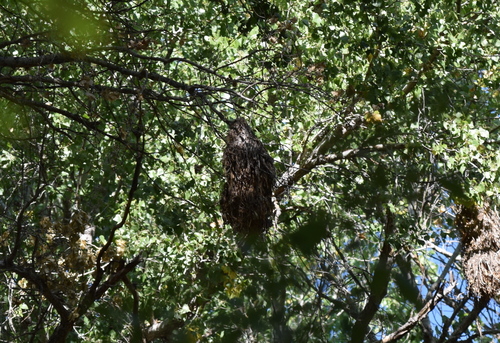
バラノドカザリドリモドキ (Pachyramphus aglaiae) バラノドカザリドリモドキ
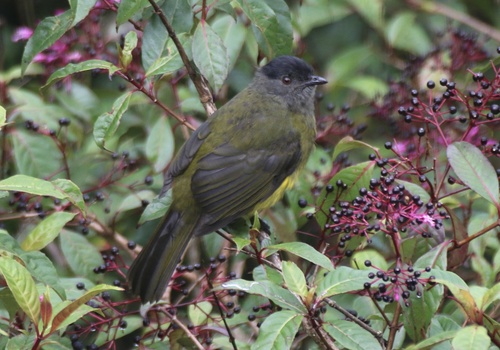
セグロレンジャクモドキ (Phainoptila melanoxantha) セグロレンジャクモドキ

メディア

読み込み中…

要点

バラノドカザリドリモドキとセグロレンジャクモドキを区別する最も信頼できるフィールドマークは、全体の羽色とパターンです:セグロレンジャクモドキは大胆な黒と黄色で、明るい黄色の尾と腹部を持っていますが、バラノドカザリドリモドキはずっと控えめで、オスは主に灰色、メスは茶色がかっています。幼鳥とメスのバラノドカザリドリモドキは特に混乱を招くことがありますが、セグロレンジャクモドキの重い体、丸い尾、そして目を引く色のブロックは独特です。飛んでいるときや止まっているとき、セグロレンジャクモドキの黄色い尾と腹部は目立ちますが、バラノドカザリドリモドキは常にこのコントラストが欠けています。両種は中米に生息していますが、バラノドカザリドリモドキは北に広がり、高地に制限されたセグロレンジャクモドキに比べて低い標高で見られます。

識別のコツ

  1. 黄色 vs. 黄色なし: セグロレンジャクモドキは常に尾、側面、尾の下、そして(いくつかの亜種では)全体の胸に明るい黄色を示します。バラノドカザリドリモドキはどの羽色や年齢でも黄色を示しません。
  2. 頭と冠: オスのバラノドカザリドリモドキは暗い灰色から黒の冠または冠を持ち、しばしば立ち上がっていますが、セグロレンジャクモドキは滑らかで丸い黒い頭(オス)またはすす灰色(メス/幼鳥)を持ち、冠はありません。
  3. 喉の斑点: 成熟したオスのバラノドカザリドリモドキはバラ色の喉の斑点を示すことがありますが、これは変動があり、特に熱帯雨林の個体群では欠けていることがあります。セグロレンジャクモドキは黒(オス)または暗い灰色(メス/幼鳥)の喉を持ち、決してピンクやバラ色ではありません。
  4. 体の構造: セグロレンジャクモドキは重い体を持ち、広くて丸い尾とコンパクトな外観をしています。バラノドカザリドリモドキは大きな頭を持っていますが、スリムで、より典型的なフライキャッチャーの姿勢を持っています。
  5. メス/幼鳥の混乱: メスと幼鳥のバラノドカザリドリモドキは上面がさび色の茶色で、下面が淡いバフ色で、黄色やオリーブ色のトーンはありません。メス/幼鳥のセグロレンジャクモドキはすす灰色からオリーブグリーンで、黄色の側面と尾の下を持ち、決してさび色やバフ色のトーンを示しません。
  6. 胸と腹: セグロレンジャクモドキのオスは灰色の中心を持つオリーブグリーンの胸(指名種)または全て黄色(P. m. parkeri)で、明るい黄色の下腹部を持っています。バラノドカザリドリモドキは常に灰色(オス)または淡いバフ色(メス/幼鳥)で、決してオリーブ色や黄色ではありません。
  7. 尾: セグロレンジャクモドキの尾は広くて丸いですが、バラノドカザリドリモドキの尾はより典型的で、特に広くも丸くもありません。
  8. 飛行時の外観: どちらの種にも特徴的な上翼のパターンは記載されていませんが、セグロレンジャクモドキの黄色い尾と腹部は飛行中に見え、バラノドカザリドリモドキは平凡な灰色または茶色のままです。
  9. くちばし: 両者とも黒いくちばしを持っていますが、セグロレンジャクモドキのくちばしは頭のサイズに対して相対的に小さく、バラノドカザリドリモドキのくちばしはより重く、フック状で、ティティリッドに典型的です。
  10. 虹彩の色: セグロレンジャクモドキは鈍い赤の虹彩を持ち、近距離で見ることができます。バラノドカザリドリモドキの虹彩の色は記載されていませんが、特徴的ではないとされています。
  11. 生息地: コスタリカやパナマの高地の森林で見られた場合、特に1500 m以上ではセグロレンジャクモドキを期待してください。低地やコスタリカの北ではバラノドカザリドリモドキを期待してください。
  12. 声: バラノドカザリドリモドキの短く滑らかな二音の歌や鋭い叫びは特徴的です。セグロレンジャクモドキの声はここでは記載されていません。
  13. 巣の構造: 大きなドーム状の吊り下げ巣を観察した場合、それはおそらくバラノドカザリドリモドキです。若木に低く置かれた苔のカップ巣はセグロレンジャクモドキです。
  14. 性差: 両種は性差を示しますが、セグロレンジャクモドキのオスはメスよりもはるかに目立つ色を持ち、バラノドカザリドリモドキのオスは喉の斑点を除いてメスとわずかに異なるだけです。
  15. 季節的変化: 乾燥した地域のバラノドカザリドリモドキのオスはより淡い灰色で、熱帯雨林の鳥はより暗く、バラ色の喉が欠けていることがあります。セグロレンジャクモドキの色のパターンは季節を通じて一貫していますが、亜種によってわずかに変動します。

大きさ

両種は中型のスズメ目ですが、セグロレンジャクモドキは特に重い体を持ち(平均質量約58–60 g [wikidata])、より大きくて頑丈に見え、広くて丸い尾を持っています。バラノドカザリドリモドキの質量は提供されていませんが、一般的に中型で大きな頭を持ち、セグロレンジャクモドキほど重くはないと説明されています。フィールドでは、セグロレンジャクモドキはより頑丈でコンパクトに見えるかもしれませんが、バラノドカザリドリモドキは相対的に大きな頭とよりスリムな外観を持っています。

羽色

幼鳥とメスの羽毛は混同される可能性が最も高いです。幼鳥のセグロレンジャクモドキは成鳥のメスに似ていますが、鈍く、すす色の冠、胸に淡い灰色の筋、オリーブグリーンの側面を持っています。成鳥のメスは暗い灰色の後頸、顔、喉が暗いオリーブグリーンの胸に溶け込み、黄色の側面と尾の下の覆い羽を持っています。対照的に、メスのバラノドカザリドリモドキは主に上面がさび色の茶色で、下面が淡いバフ色で、黄色はありません。若いオスのバラノドカザリドリモドキは変動するバラ色の喉の斑点を示すことがありますが、他はメスに似ています。成鳥のオスのバラノドカザリドリモドキは主に灰色で、暗い冠を持ち、一部の個体群ではバラ色の喉の斑点(熱帯雨林の鳥では欠けていることがあります)を持っています。セグロレンジャクモドキのオスは間違いなく識別可能です:黒い頭、背中、翼、尾、明るい黄色の尾と腹部、オリーブグリーンの胸を持っています。セグロレンジャクモドキの黄色は常に存在し、広範囲にわたりますが、バラノドカザリドリモドキはどの羽毛でも黄色を示しません。飛行中のどちらの種にも特徴的な上翼のパターンは記載されていませんが、セグロレンジャクモドキの色のブロックは飛行中でも明らかです。

行動

バラノドカザリドリモドキは通常、単独またはペアで行動し、時には巣の近くで他の種と緩やかに関連します。彼らは警戒心が強く、特に繁殖中のオスは領土意識が強いです。セグロレンジャクモドキは重い体を持ち、動きがより鈍く見えることがあります。彼らの行動はあまり記載されていませんが、その構造はよりアクロバティックでなく、止まってサリーするスタイルを示唆しています。両種は吊り下げ巣を作りますが、バラノドカザリドリモドキの巣は大きなドーム状の吊り下げ構造で、セグロレンジャクモドキの巣は若木や木の低い位置に置かれた苔のカップです。

生息環境

バラノドカザリドリモドキは南部アメリカから中米を経て西パナマにかけて生息し、主に低地や丘陵の森林に生息し、乾燥した地域と湿った地域を含みます。セグロレンジャクモドキはコスタリカとパナマの高地の森林に制限されています。コスタリカやパナマの高地にいる場合、セグロレンジャクモドキがいる可能性が高いですが、他の場所、特にコスタリカの北や低地では、ほぼ確実にバラノドカザリドリモドキです。

声

バラノドカザリドリモドキの歌は短く滑らかな二音のフレーズで、その呼び声の一つは独特の鋭い叫びです。提供されたメモにはセグロレンジャクモドキの声は記載されていないため、声はバラノドカザリドリモドキを確認するためにのみ役立ちます。

より良い説明を送る

比較と同じ項目を使ってください。文章はすぐに公開されます。

The most reliable field mark to separate Rose-throated Becard from Black-and-yellow Silky-flycatcher is overall plumage color and pattern: the silky-flycatcher is boldly black and yellow with a bright yellow rump and underparts, while the becard is much more subdued, with males being mostly gray and females brownish. Juvenile and female becards can be especially confusing, but the silky-flycatcher’s heavy body, rounded tail, and striking color blocks are unique. In flight or perched, the silky-flycatcher’s yellow rump and underparts stand out, while becards always lack this contrast. Both species occur in Central America, but the becard ranges farther north and is found in lower elevations compared to the highland-restricted silky-flycatcher.

  1. Yellow vs. No Yellow: Black-and-yellow Silky-flycatcher always shows bright yellow on the rump, flanks, undertail, and (in some subspecies) the entire breast. Rose-throated Becard never shows yellow in any plumage or age.
  2. Head and Crest: Male becards have a dark gray to black crown or crest, often raised, while silky-flycatchers have a smooth, rounded black head (male) or sooty gray (female/juvenile) without a crest.
  3. Throat Patch: Adult male becards may show a rose-colored throat patch, but this is variable and may be absent, especially in rainforest populations. Silky-flycatchers have a black (male) or dark gray (female/juvenile) throat, never pink or rose.
  4. Body Structure: Silky-flycatchers are heavy-bodied with a wide, rounded tail and compact look. Becards are large-headed but slimmer, with a less robust body and a more typical flycatcher jizz.
  5. Female/Juvenile Confusion: Female and juvenile becards are rusty brown above and pale buffy below, lacking any yellow or olive tones. Female/juvenile silky-flycatchers are sooty gray to olive-green with yellow flanks and undertail, and never show rusty or buffy tones.
  6. Breast and Belly: Silky-flycatcher males have an olive-green breast with a gray center (nominate) or all yellow (P. m. parkeri), and bright yellow lower belly. Becards are always gray (male) or pale buffy (female/immature) below, never olive or yellow.
  7. Tail: Silky-flycatcher’s tail is wide and rounded, while becard’s tail is more typical and not especially broad or rounded.
  8. Flight Appearance: No distinctive upperwing pattern is described for either, but the silky-flycatcher’s yellow rump and underparts are visible in flight, while becard remains plain gray or brown.
  9. Bill: Both have black bills, but the silky-flycatcher’s is proportionally smaller relative to head size; becard’s bill is heavier and more hooked, typical of tityrids.
  10. Iris Color: Silky-flycatcher has a dull red iris, which may be seen at close range; becard’s iris color is not described but is not noted as distinctive.
  11. Habitat: If seen in highland forest in Costa Rica or Panama, especially above 1500 m, expect silky-flycatcher; in lowlands or north of Costa Rica, expect becard.
  12. Voice: Becard’s short, sliding, two-noted song or piercing cry is distinctive; silky-flycatcher’s voice is not described here.
  13. Nest Structure: If you observe a large, domed, hanging nest, it is likely a becard; a mossy cup nest low in a sapling is silky-flycatcher.
  14. Sexual Dimorphism: Both species show sexual dimorphism, but the silky-flycatcher’s male is much more strikingly colored than the female, while becard’s male is only subtly different from the female except for the throat patch.
  15. Seasonal Variation: Becard males in drier areas are paler gray, while rainforest birds are darker and may lack the rose throat; silky-flycatcher’s color pattern is consistent across seasons but varies slightly by subspecies.

Both species are medium-sized passerines, but the Black-and-yellow Silky-flycatcher is notably heavier-bodied (average mass ~58–60 g [wikidata]) and appears bulkier and more robust, with a wide rounded tail. The Rose-throated Becard’s mass is not provided, but it is generally described as medium-sized and large-headed, not as heavy-set as the silky-flycatcher. In the field, the silky-flycatcher may look stouter and more compact, while the becard has a proportionally larger head and a more slender appearance.

Juvenile and female plumages are the most likely to be confused. Juvenile Black-and-yellow Silky-flycatchers resemble adult females but are duller, with a sooty crown, faint dusky streaks on the breast, and olive-green flanks. Adult females have a dark gray hindneck, face, and throat blending to a dark olive-green breast, with yellow flanks and undertail coverts. In contrast, female Rose-throated Becards are mostly rusty brown above and pale buffy below, lacking any yellow. Young male becards may show a variable pink throat patch but otherwise resemble females. Adult male becards are mostly gray with a dark crest and, in some populations, a rose-colored throat patch (which may be absent in rainforest birds). The silky-flycatcher male is unmistakable: black head, back, wings, and tail, with a bright yellow rump and underparts, and an olive-green breast. The silky-flycatcher’s yellow is always present and extensive, while becards never show yellow in any plumage. No distinctive upperwing pattern is described for either species in flight, but the silky-flycatcher's color blocks remain obvious even when flying.

Rose-throated Becards are typically solitary or in pairs, sometimes loosely associating with other species near nests. They are vigilant and territorial, especially males during breeding. Black-and-yellow Silky-flycatchers are heavy-bodied and may appear more sluggish or deliberate in movement. Their behavior is less described, but their structure suggests a less acrobatic, more perch-and-sally style. Both species build suspended nests, but the becard’s is a large, domed, hanging structure, while the silky-flycatcher’s is a mossy cup placed lower in saplings or trees.

Rose-throated Becard occurs from the southern US through Central America to western Panama, mostly in lowland and foothill forests, including drier and wetter areas. Black-and-yellow Silky-flycatcher is restricted to highland forests of Costa Rica and Panama. If you are in the highlands of Costa Rica or Panama, the silky-flycatcher is likely; elsewhere, especially north of Costa Rica or at lower elevations, it is almost certainly a becard.

Rose-throated Becard’s song is a short, sliding, two-noted phrase, and one of its calls is a unique piercing cry. No vocalizations are described for the Black-and-yellow Silky-flycatcher in the provided notes, so voice is only useful for confirming becard when the song or call is heard.

変更を破棄しますか?

保存していない編集があります。今離れると失われます。

バラノドカザリドリモドキ · セグロレンジャクモドキ · 苦手な鳥