

mobelha-pequena vs mobelha-grande
Gavia stellata versus Gavia immer
Jogue um quiz com mobelha-pequena e mobelha-grande
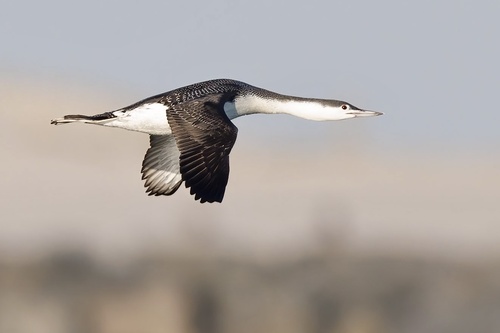 mobelha-pequena
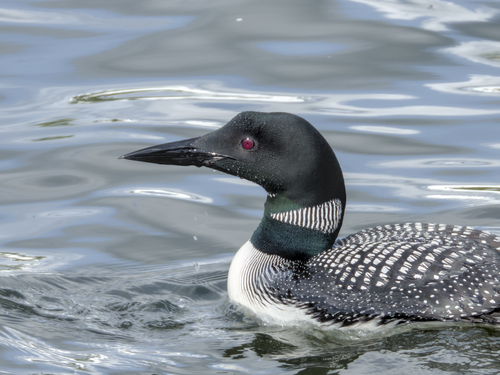 mobelha-grande
Em resumo
A marca de campo mais confiável entre a mobelha-pequena e a mobelha-grande é o tamanho e a estrutura: a mobelha-pequena é muito menor, mais esbelta e tem um bico mais fino, enquanto a mobelha-grande é mais robusta, com um bico mais pesado e semelhante a uma adaga. Pássaros juvenis e não reprodutores podem ser complicados, mas a mobelha-pequena apresenta um perfil de voo corcunda com cabeça/pescoço caídos, e seus pés mal se projetam além da cauda, ao contrário do voo mais poderoso e nivelado da mobelha-grande. Em todas as plumagens, a mobelha-grande é mais escura e mais solidamente marcada na parte superior, especialmente na cabeça e no pescoço, enquanto a mobelha-pequena é mais clara e mais delicada. Use essas diferenças em combinação, especialmente em aves distantes ou em voo.
Dicas de identificação
- O tamanho é a primeira verificação: Se a ave é grande, pesada e semelhante a um ganso, é a mobelha-grande; se é visivelmente menor e mais delicada, é a mobelha-pequena. Isso funciona em todas as idades e estações.
- Forma do bico: A mobelha-pequena tem um bico fino, reto, muitas vezes ligeiramente curvado para cima, geralmente cinza claro em juvenis e adultos não reprodutores. O bico da mobelha-grande é grosso, semelhante a uma adaga, e geralmente é mantido nivelado ou ligeiramente inclinado para cima, sempre mais pesado que o da mobelha-pequena em qualquer idade.
- Silhueta de voo: A mobelha-pequena voa com a cabeça e o pescoço caídos, dando uma aparência corcunda; os pés mal se estendem além da cauda. A mobelha-grande voa com o pescoço e a cabeça nivelados, e seus pés se projetam mais claramente além da cauda. Isso é especialmente útil para aves distantes em voo.
- Bate de asa: A mobelha-pequena tem batidas de asa mais rápidas e profundas; as da mobelha-grande são mais lentas e poderosas.
- Plumagem juvenil: Os juvenis de mobelha-pequena são marrons acima, com pesadas manchas nas laterais do pescoço e uma barriga mais clara, com um tom marrom. Os juvenis de mobelha-grande são mais escuros, com uma nuca escura e partes superiores escuras, e uma garganta e bochechas brancas. O contraste é mais forte na mobelha-grande.
- Plumagem de inverno de adultos: A mobelha-pequena é mais clara no geral, com um rosto e pescoço cinzas simples, e um bico fino. A mobelha-grande é mais escura, com uma coroa escura, nuca e pescoço, e um bico mais pesado. O contraste entre o pescoço escuro e as bochechas claras é mais acentuado na mobelha-grande.
- Plumagem de reprodução: A mobelha-pequena tem uma cabeça e pescoço cinzas com uma mancha vermelha na garganta; a mobelha-grande é de cabeça preta com um brilho esverdeado, azulado ou purpurado e uma marcação branca ousada nas costas. Isso é diagnóstico na primavera/verão.
- Padrão do pescoço: Em todas as plumagens, a mobelha-grande tem um pescoço mais solidamente escuro, enquanto a mobelha-pequena é mais clara e mais uniforme.
- Cor do bico em juvenis: O bico da mobelha-pequena é cinza claro; o da mobelha-grande é mais escuro e mais pesado.
- Forma da cabeça: A cabeça da mobelha-pequena é pequena e arredondada; a da mobelha-grande é maior, com uma coroa frontal saliente e uma testa mais íngreme.
- Postura na água: A mobelha-pequena fica mais alta, com um corpo mais horizontal e pescoço estendido; a mobelha-grande fica mais baixa, mais robusta, e muitas vezes com um bico ligeiramente inclinado para cima.
- Contexto de habitat: Em pequenos lagos interiores ou baías costeiras rasas, a mobelha-pequena é mais provável; em lagos grandes ou mar exposto, a mobelha-grande é favorecida.
- Tamanho do grupo: A mobelha-pequena pode estar em pequenos grupos; a mobelha-grande é geralmente solitária ou em pares.
- Risco de confusão: Em pouca luz ou a longa distância, o tamanho e a estrutura são mais confiáveis do que a plumagem. Cuidado com juvenis de mobelha-grande que parecem mais claros no rosto, mas o bico e a robustez permanecem distintos.
- Quando em dúvida: Use uma combinação de tamanho, forma do bico, perfil de voo e habitat para separá-los, especialmente para aves imaturas ou não reprodutoras.
Tamanho
A mobelha-pequena é dramaticamente menor e mais leve (cerca de 1.600g) do que a mobelha-grande (cerca de 5.000g). No campo, isso se traduz em uma aparência muito mais delicada e esbelta para a mobelha-pequena, com um pescoço mais curto e uma cabeça menor. A mobelha-grande é grande, com corpo pesado e pescoço longo, com um bico visivelmente maior e uma presença mais imponente na água ou em voo. Se vistas juntas, a diferença de tamanho é óbvia, mas mesmo sozinha, a mobelha-pequena se parece mais com uma grande mergulhão, enquanto a mobelha-grande é quase do tamanho de um ganso.
Plumagem
Os juvenis e os primeiros invernos da mobelha-pequena são marrons a cinzentos na parte superior, com uma testa e pescoço mais escuros, pesadamente salpicados nas laterais, e uma barriga mais clara, com um tom marrom. Seus bicos são cinza claro e muitas vezes mais claros que os dos adultos. Os juvenis da mobelha-grande são mais escuros no geral, com uma cabeça, pescoço e partes superiores cinza escuro a pretas, e uma garganta, bochechas e partes inferiores brancas. Sua nuca é de um cinza marrom escuro, muitas vezes parecendo mais escura do que as penas pretas com bordas claras em outros lugares. No primeiro inverno, o bico da mobelha-grande pode parecer menos robusto que o dos adultos, mas ainda é mais pesado que o da mobelha-pequena. No segundo inverno, a mobelha-grande se assemelha a adultos reprodutores, mas não possui manchas brancas nas coberturas das asas. Em voo, a mobelha-pequena mostra uma asa fina e angular e um pescoço caído, enquanto a mobelha-grande tem asas mais largas e pescoço mais nivelado. A plumagem de reprodução dos adultos é strikingly diferente: a mobelha-pequena tem uma cabeça e pescoço cinzas com uma mancha vermelha na garganta, enquanto a mobelha-grande é de cabeça preta com um brilho esverdeado ou azulado e uma marcação branca ousada nas costas.
Comportamento
A mobelha-pequena é mais ágil e flutuante, frequentemente vista nadando com o pescoço estendido e mergulhando com uma batida de asa rápida e profunda em voo. Seu voo é corcunda, com a cabeça e o pescoço caindo abaixo do eixo do corpo. A mobelha-grande é mais pesada e poderosa, voando com o pescoço nivelado e batidas de asa fortes e constantes. Na água, a mobelha-grande fica mais baixa e parece mais robusta, muitas vezes com um bico ligeiramente inclinado para cima. Ambas as espécies mergulham em busca de peixes, mas a mobelha-pequena é mais propensa a ser vista em pequenos grupos ou sozinha, enquanto a mobelha-grande é tipicamente solitária ou em pares.
Habitat
A mobelha-pequena se reproduz principalmente em regiões árticas e inverna ao longo das costas do norte, frequentemente utilizando pequenos lagos interiores para reprodução e águas costeiras abrigadas no inverno. A mobelha-grande prefere lagos maiores para reprodução e é mais provável de ser encontrada em grandes corpos de água doce profundos ou águas costeiras expostas no inverno. Durante a migração e no inverno, ambas podem ocorrer no mar, mas a mobelha-pequena é mais tolerante a baías rasas e abrigadas, enquanto a mobelha-grande prefere águas mais profundas e abertas.