

Motmot

アビ 対 ハシグロアビ

Gavia stellata 対 Gavia immer

アビとハシグロアビのクイズ
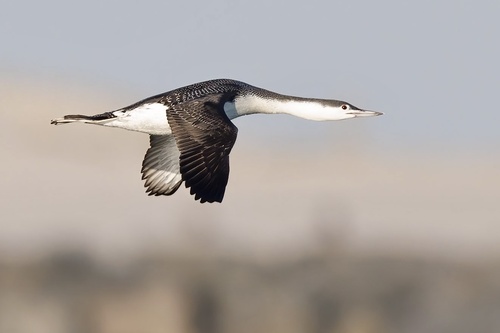
アビ (Gavia stellata) アビ
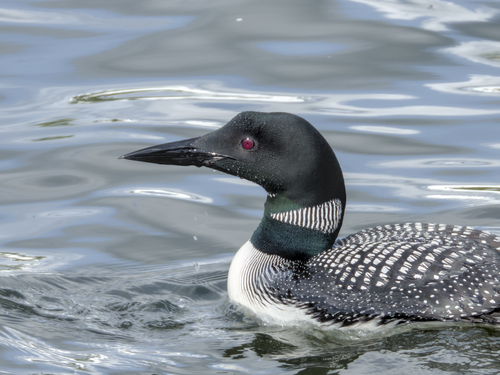
ハシグロアビ (Gavia immer) ハシグロアビ

メディア

読み込み中…

要点

アビとハシグロアビの最も信頼できるフィールドマークはサイズと構造です:アビははるかに小さく、スリムで、より細いくちばしを持っていますが、ハシグロアビはより大きく、ずっしりとした、ダガーのようなくちばしを持っています。幼鳥や非繁殖期の鳥は難しい場合がありますが、アビは背中が丸まった飛行シルエットを示し、頭/首が垂れ下がっており、足は尾をほとんど超えません。一方、ハシグロアビはより力強く、水平な飛行をします。すべての羽色において、ハシグロアビは頭部と首の上でより暗く、よりしっかりとした模様があり、アビはより淡く、より繊細です。特に遠くの鳥や飛んでいる鳥に対して、これらの違いを組み合わせて使用してください。

識別のコツ

  1. サイズが最初のチェックです: 鳥が大きく、重く、ガチョウのようであれば、ハシグロアビです。明らかに小さく、より繊細であれば、アビです。これはすべての年齢と季節で機能します。
  2. くちばしの形: アビは細く、まっすぐで、しばしばわずかに上向きのくちばしを持ち、通常は幼鳥や非繁殖期の成鳥では淡い灰色です。ハシグロアビのくちばしは太く、ダガーのようで、通常は水平またはわずかに上向きに保持され、どの年齢でもアビよりも常に重いです。
  3. 飛行シルエット: アビは頭と首を垂れ下げて飛び、背中が丸まったように見えます。足は尾をほとんど超えません。ハシグロアビは水平な首と頭で飛び、足は尾をより明確に超えます。これは特に遠くの鳥の飛行に役立ちます。
  4. 羽ばたき: アビはより速く、深い羽ばたきを持っています。ハシグロアビの羽ばたきは遅く、より力強いです。
  5. 幼鳥の羽色: アビの幼鳥は上面が暗い茶色から灰色で、首の側面に重い斑点があり、腹部はより淡い茶色がかっています。ハシグロアビの幼鳥は暗く、暗い後頭部と黒っぽい上面を持ち、白い喉と頬があります。コントラストはハシグロアビでより強いです。
  6. 成鳥の冬羽色: アビは全体的に淡く、無地の灰色の顔と首、細いくちばしを持っています。ハシグロアビは暗く、暗い冠、後頭部、首を持ち、より重いくちばしを持っています。暗い首と淡い頬のコントラストはハシグロアビでより鋭いです。
  7. 繁殖羽色: アビは灰色の頭と首に赤い喉の斑点を持ち、ハシグロアビは黒い頭に緑がかった、青がかった、または紫がかった光沢と背中に大胆な白いチェック模様を持っています。これは春/夏に診断的です。
  8. 首の模様: すべての羽色において、ハシグロアビはよりしっかりとした暗い首を持ち、アビはより淡く、より均一です。
  9. 幼鳥のくちばしの色: アビのくちばしは淡い灰色で、ハシグロアビのくちばしはより暗く、より重いです。
  10. 頭の形: アビの頭は小さく丸いですが、ハシグロアビの頭は大きく、前頭部が膨らんでおり、急な額を持っています。
  11. 水上の姿勢: アビはより高く座り、より水平な体と首を伸ばしています。ハシグロアビはより低く、ずっしりとした外観を持ち、しばしばわずかに上向きのくちばしを持っています。
  12. 生息地の文脈: 小さな内陸湖や浅い沿岸の湾では、アビがより可能性が高いです。大きな湖や露出した海では、ハシグロアビが好まれます。
  13. 群れのサイズ: アビは小さな群れでいることがありますが、ハシグロアビは通常は孤独またはペアです。
  14. 混乱のリスク: 照明が悪い場合や長距離では、サイズと構造が羽色よりも信頼できます。幼鳥のハシグロアビが顔が淡く見えることに注意してくださいが、くちばしと体重は依然として特徴的です。
  15. 疑問がある場合: サイズ、くちばしの形、飛行プロファイル、生息地の組み合わせを使用して、特に未熟または非繁殖期の鳥を区別してください。

大きさ

アビはハシグロアビよりも劇的に小さく、軽い(約1,600g)です。フィールドでは、これはアビにとってはるかに繊細でスリムな外観を意味し、首は短く、頭は小さいです。ハシグロアビは大きく、重い体を持ち、長い首を持ち、明らかに大きなくちばしと水上や飛行中により威圧的な存在感を持っています。一緒に見られた場合、サイズの差は明らかですが、単独でもアビは大きなグリーブに似て見え、ハシグロアビはほぼガチョウのサイズです。

羽色

幼鳥と初冬のアビは、上面が暗い茶色から灰色で、額と首が暗く、側面に重い斑点があり、腹部はより淡い茶色がかっています。彼らのくちばしは淡い灰色で、しばしば成鳥よりも淡いです。幼鳥のハシグロアビは全体的に暗く、暗い灰色から黒の頭、首、上面を持ち、白い喉、頬、腹部があります。彼らの後頭部は暗い茶色がかった灰色で、他の場所の淡い縁取りのある黒い羽よりも暗く見えることがよくあります。初冬には、ハシグロアビのくちばしは成鳥よりも頑丈に見えないかもしれませんが、アビよりも重いです。2回目の冬には、ハシグロアビは繁殖期の成鳥に似ていますが、翼の覆羽に白い斑点がありません。飛行中、アビは細く角ばった翼と垂れ下がった首を示し、ハシグロアビはより広い翼とより水平な首を持っています。成鳥の繁殖羽色は非常に異なります:アビは灰色の頭と首に赤い喉の斑点を持ち、ハシグロアビは黒い頭に緑がかったまたは青がかった光沢と背中に大胆な白いチェック模様を持っています。

行動

アビはより敏捷で浮力があり、しばしば首を伸ばして泳ぎ、飛行中に素早く深い羽ばたきで潜ります。その飛行は背中が丸まっており、頭と首が体の軸の下に垂れ下がっています。ハシグロアビはより重く、より力強く、水平な首で強く安定した羽ばたきで飛びます。水上では、ハシグロアビはより低く座り、ずっしりとした外観を持ち、しばしばわずかに上向きのくちばしを持っています。両種は魚を捕るために潜りますが、アビはより小さな群れや単独で見られることが多く、ハシグロアビは通常は孤独またはペアでいます。

生息環境

アビは主に北極地域で繁殖し、北部の海岸で冬を越し、繁殖のために小さな内陸湖を使用し、冬には保護された沿岸水域を利用します。ハシグロアビは繁殖のためにより大きな湖を好み、冬には大きく深い淡水体や露出した沿岸水域で見られることが多いです。移動中や冬には、両種は海に出現することがありますが、アビは浅く保護された湾に対してより耐性があり、ハシグロアビはより深く、より開放的な水を好みます。

より良い説明を送る

比較と同じ項目を使ってください。文章はすぐに公開されます。

The most reliable field mark between Red-throated Diver and Great Northern Diver is size and structure: Red-throated is much smaller, slimmer, and has a finer bill, while Great Northern is bulkier with a heavier, dagger-like bill. Juvenile and non-breeding birds can be tricky, but Red-throated shows a hunchbacked flight silhouette with drooping head/neck, and its feet barely project past the tail, unlike the more powerful, level flight of Great Northern. In all plumages, Great Northern is darker and more solidly marked above, especially on the head and neck, while Red-throated is paler and more delicate. Use these differences in combination, especially on distant or flying birds.

  1. Size is the first check: If the bird is large, heavy, and goose-like, it's Great Northern; if it's noticeably smaller and more delicate, it's Red-throated. This works at all ages and seasons.
  2. Bill shape: Red-throated has a thin, straight, often slightly upturned bill, usually pale grey in juveniles and non-breeding adults. Great Northern's bill is thick, dagger-like, and usually held level or slightly uptilted, always heavier than Red-throated at any age.
  3. Flight silhouette: Red-throated flies with a drooping head and neck, giving a hunchbacked look; feet barely extend beyond the tail. Great Northern flies with a level neck and head, and its feet project more clearly past the tail. This is especially useful for distant birds in flight.
  4. Wingbeat: Red-throated has quicker, deeper wingbeats; Great Northern's are slower and more powerful.
  5. Juvenile plumage: Red-throated juveniles are browner above, with heavy speckling on the neck sides and a paler, browner-tinged belly. Great Northern juveniles are darker, with a dark nape and blackish upperparts, and a white throat and cheeks. The contrast is stronger in Great Northern.
  6. Adult winter plumage: Red-throated is paler overall, with a plain grey face and neck, and a fine bill. Great Northern is darker, with a dark crown, nape, and neck, and a heavier bill. The contrast between the dark neck and pale cheeks is sharper in Great Northern.
  7. Breeding plumage: Red-throated has a grey head and neck with a red throat patch; Great Northern is black-headed with a greenish, bluish, or purplish sheen and bold white checkering on the back. This is diagnostic in spring/summer.
  8. Neck pattern: In all plumages, Great Northern has a more solidly dark neck, while Red-throated is paler and more uniform.
  9. Bill color in juveniles: Red-throated's bill is pale grey; Great Northern's is darker and heavier.
  10. Head shape: Red-throated's head is small and rounded; Great Northern's is larger with a bulging forecrown and steeper forehead.
  11. On water posture: Red-throated sits higher, with a more horizontal body and neck outstretched; Great Northern sits lower, bulkier, and often with a slightly uptilted bill.
  12. Habitat context: On small inland lakes or shallow coastal bays, Red-throated is more likely; on large lakes or exposed sea, Great Northern is favored.
  13. Group size: Red-throated can be in small groups; Great Northern is usually solitary or in pairs.
  14. Confusion risk: In poor light or at long range, size and structure are more reliable than plumage. Beware of juvenile Great Northern appearing paler on the face, but the bill and bulk remain distinctive.
  15. When in doubt: Use a combination of size, bill shape, flight profile, and habitat to separate them, especially for immature or non-breeding birds.

Red-throated Diver is dramatically smaller and lighter (about 1,600g) than Great Northern Diver (about 5,000g). In the field, this translates to a much more delicate, slender appearance for Red-throated, with a shorter neck and smaller head. Great Northern is large, heavy-bodied, and long-necked, with a noticeably bigger bill and more imposing presence on the water or in flight. If seen together, the size gap is obvious, but even singly, Red-throated looks more like a large grebe, while Great Northern is almost goose-sized.

Juvenile and first-winter Red-throated Divers are dark brown to grey above, with a darker forehead and neck heavily speckled on the sides, and a paler, browner-tinged belly. Their bills are pale grey and often paler than adults. Juvenile Great Northern Divers are darker overall, with a dark grey to black head, neck, and upperparts, and a white throat, cheeks, and underparts. Their nape is a dark brownish-grey, often looking darker than the pale-edged black feathers elsewhere. In first-winter, Great Northern's bill may look less robust than adults, but still heavier than Red-throated. By second winter, Great Northern resembles breeding adults but lacks white spots on the wing coverts. In flight, Red-throated shows a thin, angular wing and a drooping neck, while Great Northern is broader-winged and more level-necked. Adult breeding plumage is strikingly different: Red-throated has a grey head and neck with a red throat patch, while Great Northern is black-headed with a greenish or bluish sheen and bold white checkering on the back.

Red-throated Diver is more agile and buoyant, often seen swimming with its neck outstretched and diving with a quick, deep wingbeat in flight. Its flight is hunchbacked, with the head and neck drooping below the body axis. Great Northern Diver is heavier and more powerful, flying with a level neck and strong, steady wingbeats. On water, Great Northern sits lower and appears bulkier, often with a slightly uptilted bill. Both species dive for fish, but Red-throated is more likely to be seen in smaller groups or alone, while Great Northern is typically solitary or in pairs.

Red-throated Diver breeds mainly in Arctic regions and winters along northern coasts, often using smaller inland lakes for breeding and sheltered coastal waters in winter. Great Northern Diver prefers larger lakes for breeding and is more likely to be found on big, deep freshwater bodies or exposed coastal waters in winter. In migration and winter, both can occur on the sea, but Red-throated is more tolerant of shallow, sheltered bays, while Great Northern favors deeper, more open water.

変更を破棄しますか?

保存していない編集があります。今離れると失われます。

アビ · ハシグロアビ · 苦手な鳥