

mobelha-pequena vs mobelha-de-garganta-preta
Gavia stellata versus Gavia arctica
Jogue um quiz com mobelha-pequena e mobelha-de-garganta-preta
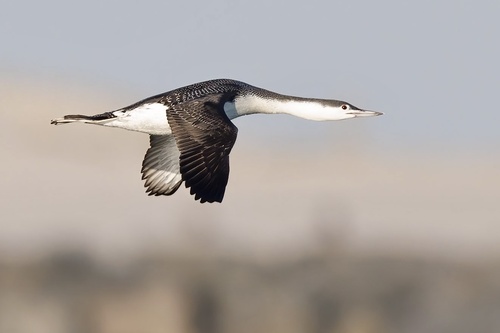 mobelha-pequena
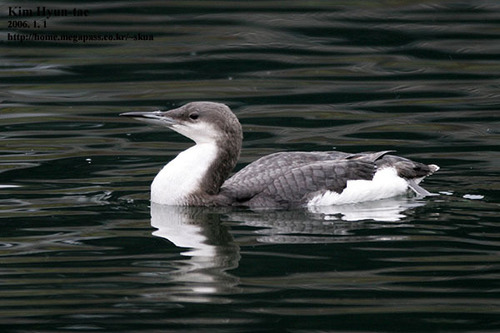 mobelha-de-garganta-preta
Em resumo
A marca de campo mais confiável entre a mobelha-pequena e a mobelha-de-garganta-preta é a estrutura e postura geral, especialmente em voo: a mobelha-pequena apresenta um perfil claramente corcunda com um bico fino e voltado para cima e batidas de asa rápidas e profundas, enquanto a mobelha-de-garganta-preta parece mais pesada, com um pescoço mais reto e corpo mais robusto. Aves juvenis e não reprodutoras podem ser complicadas, mas a mobelha-pequena é notavelmente menor e mais leve, com uma asa superior mais clara e menos padronizada e uma construção mais delicada. A mobelha-de-garganta-preta adulta em plumagem reprodutiva tem uma garganta preta impressionante com linhas verticais brancas e quadrados brancos ousados nas coberturas da asa superior, que nunca são exibidos pela mobelha-pequena. Use a estrutura, o perfil de voo e o padrão da asa superior como suas principais ferramentas de separação, especialmente ao observar aves em voo ou à distância.
Dicas de identificação
- O perfil de voo é fundamental: a mobelha-pequena apresenta uma forma corcunda em voo, com a cabeça e o pescoço pendendo abaixo do eixo do corpo e pés pequenos mal projetando-se além da cauda. A mobelha-de-garganta-preta voa com um pescoço mais reto e um perfil mais pesado e nivelado. Isso é confiável para todas as idades.
- Padrão da asa superior em imaturos: as mobelhas-de-garganta-preta juvenis e não reprodutoras mostram pequenas manchas brancas nas coberturas da asa superior e quadrados brancos ousados no manto e nas escapulares, visíveis em voo e em repouso. As imaturas da mobelha-pequena não possuem essas características, apresentando uma asa superior escura e simples.
- Forma do bico e postura: a mobelha-pequena tem um bico fino, muitas vezes ligeiramente voltado para cima, que parece pálido em imaturos e adultos não reprodutores. A mobelha-de-garganta-preta tem um bico mais pesado e reto, sempre mais escuro em cor.
- Tamanho e construção: a mobelha-pequena é notavelmente menor e mais delicada, com uma cabeça menor e pescoço mais fino. A mobelha-de-garganta-preta é bulkier, mais longa e mais pesada.
- Mancha na garganta da plumagem reprodutiva: a mobelha-pequena adulta em plumagem reprodutiva tem uma mancha vermelha na garganta, mas isso pode ser difícil de ver à distância. A mobelha-de-garganta-preta tem uma garganta preta (ou verde, em algumas subespécies) com um brilho púrpura e um colar de linhas verticais brancas—essas são ousadas e diagnósticas quando visíveis.
- Padrão do pescoço: na mobelha-de-garganta-preta em reprodução, procure as linhas verticais brancas nos lados do pescoço e a mancha preta na garganta. A mobelha-pequena não possui essas linhas e tem um pescoço mais simples.
- Asa superior em adultos: os adultos da mobelha-de-garganta-preta mostram fileiras de quadrados brancos no manto e nas escapulares e pequenas manchas brancas nas coberturas da asa superior. Os adultos da mobelha-pequena têm uma asa superior escura e simples, sem tais marcas.
- Confusão em não-reprodutores: ambas as espécies tornam-se mais simples em plumagem não reprodutiva, mas a mobelha-de-garganta-preta retém mais manchas na asa superior e um bico mais escuro e pesado. A mobelha-pequena é mais clara em geral, com uma aparência mais delicada e um bico mais claro.
- Na água: a mobelha-pequena fica mais alta e parece mais esbelta, muitas vezes com um bico ligeiramente voltado para cima. A mobelha-de-garganta-preta fica mais baixa, parece mais robusta e tem um bico mais horizontal.
- Contexto do habitat: na época de reprodução, a mobelha-pequena é mais provável de ser encontrada em pequenos lagos remotos de tundra; a mobelha-de-garganta-preta prefere lagos maiores e mais profundos. No inverno, ambas podem ocorrer ao longo das costas, mas a mobelha-de-garganta-preta favorece áreas mais abrigadas e livres de gelo.
- Cor do bico juvenil: a mobelha-pequena juvenil tem um bico mais claro do que adultos ou juvenis da mobelha-de-garganta-preta, o que ajuda à curta distância.
- Batida de asa: a mobelha-pequena tem uma batida de asa mais rápida e profunda em comparação com a batida de asa mais constante e lenta da mobelha-de-garganta-preta.
- Atenção: aves distantes ou contra a luz podem obscurecer o tamanho e a forma do bico; concentre-se no perfil de voo e no padrão da asa superior quando possível. As mobelhas-de-garganta-preta imaturas podem parecer bastante simples, mas geralmente retêm algumas manchas na asa superior.
Tamanho
A mobelha-pequena é a menor e mais leve das mergulhões, com uma massa corporal típica em torno de 1600 g e comprimento variando de 53 a 69 cm. A mobelha-de-garganta-preta é maior e mais pesada, com adultos alcançando 58 a 73 cm de comprimento e pesando até 3,4 kg. No campo, essa diferença de tamanho é frequentemente visível quando as aves estão lado a lado, mas pode ser sutil à distância. A mobelha-pequena parece mais esbelta e menos robusta, com um bico mais fino e uma cabeça menor em relação ao corpo, enquanto a mobelha-de-garganta-preta é mais robusta em geral.
Plumagem
As mobelhas-pequenas juvenis e não reprodutoras são principalmente marrons escuros a cinzas por cima, com lados mais claros na cabeça e no pescoço, e um dorso mais marrom e menos salpicado em comparação com os adultos. Sua asa superior é simples, sem os quadrados ou manchas brancas ousadas vistos na mobelha-de-garganta-preta. As mobelhas-de-garganta-preta juvenis se assemelham a adultos não reprodutores, mas são mais marrons em geral, e mesmo em plumagem imatura, mostram algumas manchas brancas nas coberturas da asa superior. Na plumagem reprodutiva adulta, a mobelha-pequena tem uma mancha vermelha distinta na garganta (nem sempre visível), uma cabeça cinza clara e uma asa superior relativamente simples. A mobelha-de-garganta-preta em plumagem reprodutiva tem uma garganta preta com um brilho púrpura ou verde, linhas verticais brancas proeminentes no pescoço e quadrados brancos ousados no manto e nas escapulares, com pequenas manchas brancas nas coberturas da asa superior. A mobelha-de-garganta-preta não reprodutora perde a mancha preta na garganta, mas ainda mostra mais manchas na asa superior do que a mobelha-pequena.
Comportamento
Ambas as espécies são aquáticas e mergulham para pegar peixes, mas a mobelha-pequena é mais provável de ser vista em águas menores ou mais abrigadas durante a migração e o inverno. Em voo, a mobelha-pequena tem uma batida de asa mais rápida e profunda e uma cabeça e pescoço pendentes, dando-lhe uma aparência corcunda. A mobelha-de-garganta-preta voa com um pescoço mais reto e batidas de asa mais constantes, parecendo mais pesada e poderosa. Na água, a mobelha-pequena fica mais alta e parece mais delicada, enquanto a mobelha-de-garganta-preta parece mais robusta e imponente.
Habitat
A mobelha-pequena se reproduz em regiões árticas, frequentemente em pequenos lagos de tundra, e inverna em águas costeiras do norte. A mobelha-de-garganta-preta se reproduz em lagos de água doce no norte da Europa e Ásia e inverna ao longo de costas abrigadas e livres de gelo do Atlântico nordeste e do Pacífico. No inverno, ambas podem ser encontradas ao longo das costas, mas a mobelha-de-garganta-preta está mais intimamente ligada a lagos interiores maiores durante a reprodução e prefere ambientes marinhos mais abrigados no inverno. A mobelha-pequena é geralmente mais ampla e adaptável a corpos d'água menores.
mobelha-pequena · mobelha-de-garganta-preta · Minhas aves difíceis