

Strolaga minore vs Strolaga mezzana
Gavia stellata contro Gavia arctica
Fai un quiz con Strolaga minore e Strolaga mezzana
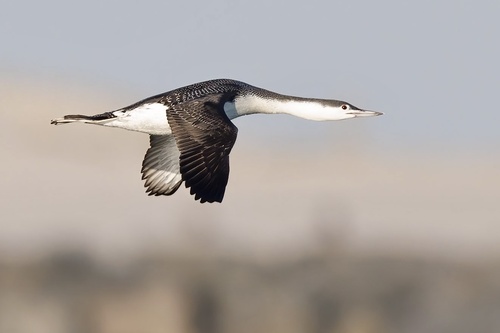 Strolaga minore
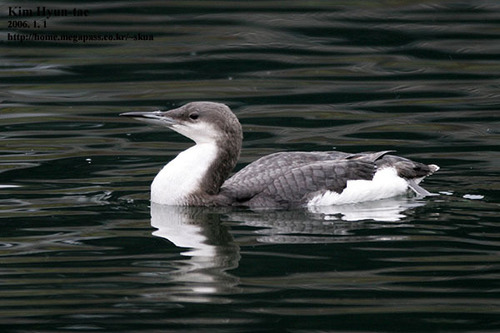 Strolaga mezzana
In breve
Il segno distintivo più affidabile tra Strolaga minore e Strolaga mezzana è la struttura e la postura complessiva, specialmente in volo: Strolaga minore mostra un profilo distintamente gobbo con un becco sottile e rivolto verso l'alto e battiti d'ala rapidi e profondi, mentre Strolaga mezzana appare più pesante, con un collo più dritto e un corpo più robusto. Gli uccelli giovani e non in riproduzione possono essere difficili, ma Strolaga minore è visibilmente più piccolo e leggero, con un'ala superiore più chiara e meno decorata e una struttura più delicata. La Strolaga mezzana adulta in riproduzione ha una gola nera sorprendente con linee verticali bianche e quadrati bianchi audaci sulle copritrici dell'ala superiore, che non sono mai mostrati dalla Strolaga minore. Usa la struttura, il profilo di volo e il motivo dell'ala superiore come i tuoi principali strumenti di separazione, specialmente quando osservi gli uccelli in volo o a distanza.
Consigli di identificazione
- Il profilo di volo è fondamentale: Strolaga minore mostra una forma gobba in volo, con la testa e il collo che pendono sotto l'asse del corpo e piccoli piedi che sporgono appena oltre la coda. Strolaga mezzana vola con un collo più dritto e un profilo più pesante e livellato. Questo è affidabile per tutte le età.
- Motivo dell'ala superiore negli immaturi: Gli esemplari giovani e non in riproduzione di Strolaga mezzana mostrano piccole macchie bianche sulle copritrici dell'ala superiore e quadrati bianchi audaci sul mantello e sulle scapole, visibili in volo e a riposo. Gli immaturi di Strolaga minore mancano di questi, mostrando un'ala superiore semplice e scura.
- Forma del becco e postura: Strolaga minore ha un becco sottile, spesso leggermente rivolto verso l'alto, che appare chiaro negli immaturi e negli adulti non in riproduzione. Strolaga mezzana ha un becco più pesante e dritto, sempre di colore più scuro.
- Dimensioni e struttura: Strolaga minore è visibilmente più piccolo e più delicato, con una testa più piccola e un collo più fine. Strolaga mezzana è più robusta, più lunga e più pesante.
- Macchia della gola in piumaggio di riproduzione: La Strolaga minore adulta in piumaggio di riproduzione ha una macchia rossa sulla gola, ma questa può essere difficile da vedere a distanza. Strolaga mezzana ha una gola nera (o verde, in alcune sottospecie) con un riflesso viola e una collana di linee verticali bianche—queste sono audaci e diagnostiche quando visibili.
- Motivo del collo: Nella Strolaga mezzana in riproduzione, cerca le linee verticali bianche sui lati del collo e la macchia nera sulla gola. Strolaga minore manca di queste linee e ha un collo più semplice.
- Ala superiore negli adulti: Gli adulti di Strolaga mezzana mostrano file di quadrati bianchi sul mantello e sulle scapole e piccole macchie bianche sulle copritrici dell'ala superiore. Gli adulti di Strolaga minore hanno un'ala superiore semplice e scura senza tali marcature.
- Confusione negli esemplari non in riproduzione: Entrambe le specie diventano più semplici in piumaggio non in riproduzione, ma Strolaga mezzana mantiene più macchie sull'ala superiore e un becco più scuro e pesante. Strolaga minore è complessivamente più chiara, con un aspetto più delicato e un becco più chiaro.
- Sull'acqua: Strolaga minore si siede più in alto e appare più snella, spesso con un becco leggermente rivolto verso l'alto. Strolaga mezzana si siede più in basso, appare più robusta e ha un becco più orizzontale.
- Contesto dell'habitat: Durante la stagione di riproduzione, Strolaga minore è più probabile che si trovi su piccoli laghi tundra remoti; Strolaga mezzana preferisce laghi più grandi e profondi. In inverno, entrambe possono verificarsi lungo le coste, ma Strolaga mezzana favorisce aree più riparate e libere da ghiaccio.
- Colore del becco negli immaturi: La Strolaga minore giovane ha un becco più chiaro rispetto agli adulti o agli immaturi di Strolaga mezzana, il che aiuta a distanza ravvicinata.
- Battito d'ala: Strolaga minore ha un battito d'ala più rapido e profondo rispetto al battito d'ala più costante e lento di Strolaga mezzana.
- Trappole: Uccelli distanti o retroilluminati possono offuscare la dimensione e la forma del becco; concentrati sul profilo di volo e sul motivo dell'ala superiore quando possibile. Gli immaturi di Strolaga mezzana possono apparire piuttosto semplici, ma di solito mantengono alcune macchie sull'ala superiore.
Taglia
Strolaga minore è la più piccola e leggera dei gabbiani, con una massa corporea tipica di circa 1600 g e una lunghezza che varia da 53 a 69 cm. Strolaga mezzana è più grande e pesante, con adulti che raggiungono i 58-73 cm di lunghezza e pesano fino a 3,4 kg. Sul campo, questa differenza di dimensioni è spesso visibile quando gli uccelli sono affiancati, ma può essere sottile a distanza. Strolaga minore appare più snella e meno robusta, con un becco più fine e una testa più piccola rispetto al corpo, mentre Strolaga mezzana è complessivamente più robusta.
Piumaggio
Gli esemplari giovani e non in riproduzione di Strolaga minore sono per lo più marrone scuro o grigio sopra, con lati della testa e del collo più chiari, e un dorso più marrone e meno macchiato rispetto agli adulti. La loro ala superiore è semplice, priva dei quadrati bianchi audaci o delle macchie viste in Strolaga mezzana. Gli esemplari giovani di Strolaga mezzana assomigliano agli adulti non in riproduzione ma sono complessivamente più marroni, e anche in piumaggio immaturo, mostrano alcune macchie bianche sulle copritrici dell'ala superiore. In piumaggio di riproduzione adulto, Strolaga minore ha una distintiva macchia rossa sulla gola (non sempre visibile), una testa grigia chiara e un'ala superiore relativamente semplice. Strolaga mezzana in piumaggio di riproduzione ha una gola nera con un riflesso viola o verde, linee verticali bianche prominenti sul collo e quadrati bianchi audaci sul mantello e sulle scapole, con piccole macchie bianche sulle copritrici dell'ala superiore. Strolaga mezzana non in riproduzione perde la macchia nera sulla gola ma mostra ancora più macchie sull'ala superiore rispetto a Strolaga minore.
Comportamento
Entrambe le specie sono acquatiche e si tuffano per pesci, ma Strolaga minore è più probabile che venga vista su acque più piccole o più riparate durante la migrazione e l'inverno. In volo, Strolaga minore ha un battito d'ala più rapido e profondo e una testa e un collo che pendono, conferendole un aspetto gobbo. Strolaga mezzana vola con un collo più dritto e battiti d'ala più costanti, apparendo più pesante e potente. Sull'acqua, Strolaga minore si siede più in alto e appare più delicata, mentre Strolaga mezzana appare più robusta e imponente.
Habitat
Strolaga minore nidifica nelle regioni artiche, spesso su piccoli laghi tundra, e sverna nelle acque costiere settentrionali. Strolaga mezzana nidifica su laghi d'acqua dolce nel nord Europa e in Asia e sverna lungo coste riparate e libere da ghiaccio dell'Atlantico nord-orientale e del Pacifico. In inverno, entrambe possono essere trovate lungo le coste, ma Strolaga mezzana è più strettamente legata a laghi interni più grandi durante la riproduzione e preferisce ambienti marini più riparati in inverno. Strolaga minore è generalmente più diffusa e adattabile a corpi idrici più piccoli.
Strolaga minore · Strolaga mezzana · I miei uccelli difficili