

red-flanked/qilian bluetail vs papa-moscas-real-oriental
Tarsiger cyanurus versus Ficedula albicilla
Jogue um quiz com red-flanked/qilian bluetail e papa-moscas-real-oriental
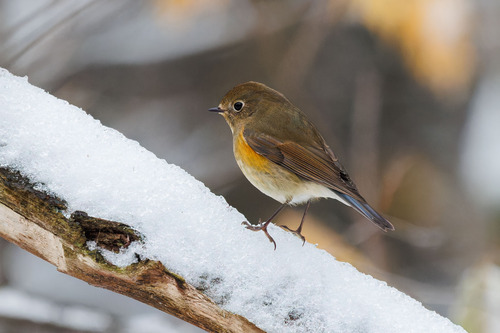 red-flanked/qilian bluetail
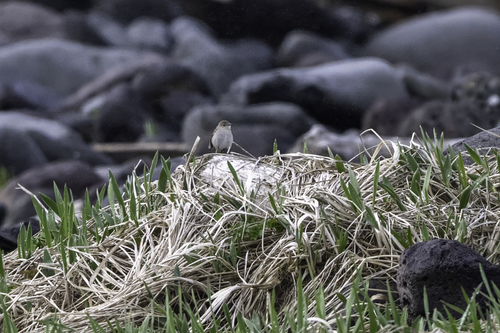 papa-moscas-real-oriental
Em resumo
A marca de campo mais confiável para separar o red-flanked/qilian bluetail do papa-moscas-real-oriental é a presença de uma cauda e rabo azuis em todas as idades e sexos do bluetail, em contraste com a cauda escura com flancos brancos do papa-moscas-real-oriental. Além disso, apenas o bluetail apresenta flancos laranja-avermelhados óbvios e uma garganta branca, enquanto o papa-moscas carece de laranja nos flancos e, em vez disso, tem um peito amarelado e partes inferiores predominantemente brancas. Fêmeas e imaturos de ambos podem ser confusos, mas o bluetail sempre mostra algum azul na cauda e no rabo, enquanto o papa-moscas nunca o faz. Diferenças estruturais são sutis, mas o bluetail é ligeiramente mais esguio e mais ereto, enquanto o papa-moscas frequentemente parece mais compacto. Vocalizações e habitat podem ajudar, mas a plumagem—especialmente a cor da cauda e dos flancos—é a pista de campo mais segura.
Dicas de identificação
- A cor da cauda é fundamental: O red-flanked/qilian bluetail sempre mostra uma cauda e rabo azuis, mesmo em fêmeas e imaturos. O papa-moscas-real-oriental nunca mostra azul na cauda; em vez disso, sua cauda é escura com flancos brancos. Esta é a marca mais confiável em todas as idades e sexos.
- Cor dos flancos: O bluetail tem flancos laranja-avermelhados (frequentemente brilhantes em machos, mais apagados, mas ainda presentes em fêmeas/imaturos). O papa-moscas-real-oriental não tem laranja nos flancos; seus lados são simples ou amarelados.
- Garganta e partes inferiores: O bluetail tem uma garganta branca e partes inferiores cinza-brancas. O papa-moscas-real-oriental tem um peito amarelado e partes inferiores predominantemente brancas; machos adultos em plumagem de reprodução mostram uma mancha de garganta laranja-avermelhada, mas isso não se estende ao peito como em algumas espécies semelhantes.
- Partes superiores: O macho adulto do bluetail tem partes superiores azul-escuras; fêmeas e imaturos são marrons acima, mas sempre com cauda/rabo azuis. Fêmeas/imaturos do papa-moscas-real-oriental são marrons acima sem azul.
- Coberturas auriculares e pescoço: O macho do papa-moscas-real-oriental em plumagem de reprodução mostra cinza com tonalidade azul nas coberturas auriculares e lados do pescoço, o que o bluetail não possui.
- Bico e pernas: Ambas as espécies têm bicos pretos pequenos e finos e pernas pretas esbeltas—isso não é um separador útil.
- Postura e aparência: O bluetail frequentemente parece mais esguio e mais ereto, frequentemente balançando sua cauda como um rabirruivo. O papa-moscas-real-oriental é mais compacto e menos ereto, com menos balançar de cauda pronunciado.
- Visões em voo: Em voo, procure pela cauda azul e flancos laranja do bluetail em contraste com a cauda escura com flancos brancos do papa-moscas. Nenhum padrão de asa distintivo é descrito para qualquer uma das espécies em plumagem imatura.
- Voz: O bluetail emite um chamado 'tacc' e um trinado melancólico; os chamados do papa-moscas-real-oriental não são detalhados aqui, mas são geralmente mais agudos e menos musicais. Use com cautela, a menos que esteja familiarizado com ambos.
- Habitat: Ambas podem ocorrer em habitats florestais semelhantes, mas o bluetail prefere florestas mistas de coníferas, enquanto o papa-moscas se reproduz na taiga e inverna em uma variedade de áreas florestais. Não é diagnóstico em situações de vagância.
- Estação e sexo: O macho adulto do bluetail é inconfundível com partes superiores azuis e flancos laranja. O bluetail fêmea/imaturo pode ser confundido com o papa-moscas, mas sempre verifique se há azul na cauda/rabo e flancos laranja.
- Armadilhas: Fêmeas e imaturos do bluetail são os mais propensos a serem confundidos com o papa-moscas-real-oriental, especialmente em luz fraca ou vistas ruins. Sempre priorize a cor da cauda e a cor dos flancos sobre a generalidade da marronidade acima.
- Tamanho: Ambos são semelhantes em tamanho e estrutura; não confie no tamanho para separação.
- Contexto: Se vistos na Europa no final do outono ou inverno, ambos são vagantes raros—não assuma com base apenas na localização.
- Dica de resumo: Se você vê azul na cauda ou laranja nos flancos, é um red-flanked/qilian bluetail. Se a cauda é escura com flancos brancos e sem azul ou laranja, é um papa-moscas-real-oriental.
Tamanho
O red-flanked/qilian bluetail tem uma média de cerca de 14,5 g de massa corporal, tornando-o semelhante em tamanho ao rabirruivo-de-testa-branca e ligeiramente menor e mais esguio do que o pisco-de-peito-ruivo [wikidata]. O papa-moscas-real-oriental não tem uma massa precisa aqui, mas é geralmente comparável em tamanho e estrutura ao bluetail, embora possa parecer um pouco mais compacto e menos alongado. No campo, o tamanho sozinho não é um separador confiável entre essas duas espécies.
Plumagem
Para todas as idades e sexos, o red-flanked/qilian bluetail mostra uma cauda e rabo azuis—mesmo em fêmeas e imaturos, onde o resto das partes superiores é marrom. O bluetail também tem flancos laranja-avermelhados, uma garganta branca e partes inferiores cinza-brancas. Machos adultos adicionam partes superiores azul-escuras, mas fêmeas e imaturos são marrons mais simples acima. Em contraste, o papa-moscas-real-oriental nunca mostra azul na cauda ou rabo; em vez disso, tem uma cauda escura com flancos brancos e partes superiores marrons em fêmeas e imaturos. O peito é amarelado e as partes inferiores são predominantemente brancas. Machos adultos do papa-moscas-real-oriental em plumagem de reprodução têm uma mancha de garganta laranja-avermelhada restrita (não se estendendo ao peito), com cinza com tonalidade azul nas coberturas auriculares e lados do pescoço. Plumagens juvenis e imaturas não são descritas em detalhes para qualquer uma das espécies, mas a cauda/rabo azul consistente no bluetail em contraste com a cauda escura com flancos brancos no papa-moscas é uma marca chave em todas as idades. Os flancos laranja do bluetail são únicos e diagnósticos quando visíveis.
Comportamento
O red-flanked/qilian bluetail se comporta muito como um rabirruivo-de-testa-branca, frequentemente balançando sua cauda e saltando de um poleiro para pegar insetos. Ele tende a empoleirar-se ereto e pode cantar do topo das árvores. O papa-moscas-real-oriental também é uma espécie ativa de captura de insetos, mas pode parecer um pouco mais compacto e menos ereto. Ambas as espécies são ágeis e podem ser vistas fazendo voos curtos a partir de poleiros, mas o balançar de cauda do bluetail é mais pronunciado e reminiscente de rabirruivos.
Habitat
O red-flanked/qilian bluetail se reproduz em florestas mistas de coníferas com sub-bosque em toda a Ásia setentrional e no nordeste da Europa, e inverna no sudeste da Ásia, nos Himalaias e no norte da Indochina [wikipedia]. O papa-moscas-real-oriental se reproduz em florestas de taiga desde o leste da Rússia até a Sibéria e Mongólia, e inverna no Sul e Sudeste da Ásia. Ambos podem ocorrer como vagantes na Europa. Em áreas de sobreposição, o habitat sozinho não é diagnóstico, mas o bluetail está mais associado a florestas de coníferas e mistas, enquanto o papa-moscas está ligado à taiga e pode ser encontrado em uma gama mais ampla de habitats florestais no inverno.
Voz
O red-flanked/qilian bluetail emite um chamado típico semelhante a um 'tacc' e o macho canta um trinado melancólico do topo das árvores [wikipedia]. As vocalizações do papa-moscas-real-oriental não são descritas em detalhes aqui, mas são geralmente mais agudas e menos musicais do que as do bluetail. A voz pode ajudar com a experiência, mas não é o separador mais confiável sem boas gravações.
red-flanked/qilian bluetail · papa-moscas-real-oriental · Minhas aves difíceis