

Red-flanked/Qilian Bluetail vs Taiga Flycatcher
Tarsiger cyanurus contro Ficedula albicilla
Fai un quiz con Red-flanked/Qilian Bluetail e Taiga Flycatcher
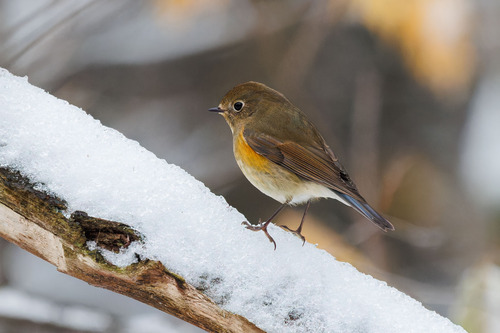 Red-flanked/Qilian Bluetail
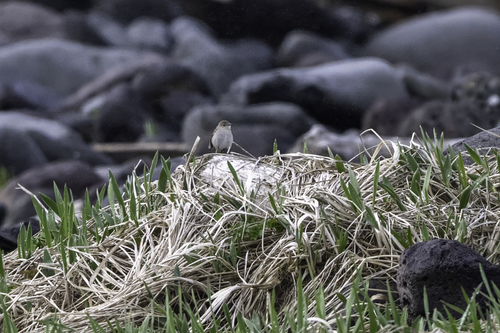 Taiga Flycatcher
In breve
Il segno di campo più affidabile per separare il Red-flanked/Qilian Bluetail dal Taiga Flycatcher è la presenza di una coda e un sopracciglio blu in tutte le età e sessi del bluetail, rispetto alla coda nerastra con fianchi bianchi del Taiga Flycatcher. Inoltre, solo il bluetail mostra fianchi arancio-rossi evidenti e una gola bianca, mentre il flycatcher non ha arancio sui fianchi e ha invece un petto color crema e parti inferiori per lo più bianche. Le femmine e gli immaturi di entrambi possono essere confusi, ma il bluetail mostra sempre un po' di blu nella coda e nel sopracciglio, mentre il flycatcher non lo fa mai. Le differenze strutturali sono sottili, ma il bluetail è leggermente più snello e più eretto, mentre il flycatcher appare spesso più compatto. Le vocalizzazioni e l'habitat possono aiutare, ma il piumaggio—soprattutto il colore della coda e dei fianchi—è il segnale di campo più sicuro.
Consigli di identificazione
- Il colore della coda è fondamentale: Il Red-flanked/Qilian Bluetail mostra sempre una coda e un sopracciglio blu, anche nelle femmine e negli immaturi. Il Taiga Flycatcher non mostra mai blu nella coda; invece, la sua coda è nerastra con fianchi bianchi. Questo è il segno più affidabile in tutte le età e sessi.
- Colore dei fianchi: Il bluetail ha fianchi arancio-rossi (spesso brillanti nei maschi, più opachi ma comunque presenti nelle femmine/gli immaturi). Il Taiga Flycatcher non ha arancio sui fianchi; i suoi lati sono semplici o color crema.
- Gola e parti inferiori: Il bluetail ha una gola bianca e parti inferiori grigio-bianco. Il Taiga Flycatcher ha un petto color crema e parti inferiori per lo più bianche; i maschi adulti in piumaggio nuziale mostrano una macchia di gola arancio-rossa, ma questa non si estende sul petto come in alcune specie simili.
- Parte superiore: Il maschio adulto bluetail ha parti superiori blu scuro; le femmine e gli immaturi sono marroni sopra ma sempre con coda/sopracciglio blu. Le femmine/gli immaturi del Taiga Flycatcher sono marroni sopra senza blu.
- Copritrici auricolari e collo: Il maschio del Taiga Flycatcher in piumaggio nuziale mostra grigio con sfumature blu sulle copritrici auricolari e sui lati del collo, cosa che il bluetail non ha.
- Becco e zampe: Entrambe le specie hanno becchi neri piccoli e sottili e zampe nere slanciate—questo non è un separatore utile.
- Postura e jizz: Il bluetail appare spesso più snello e più eretto, frequentemente muovendo la coda come un codirosso. Il Taiga Flycatcher è più compatto e meno eretto, con movimenti della coda meno pronunciati.
- Visioni in volo: In volo, cerca la coda blu e i fianchi arancio del bluetail rispetto alla coda nerastra con fianchi bianchi del flycatcher. Non sono descritti schemi distintivi delle ali per nessuna delle due specie in piumaggio immaturo.
- Voce: Il bluetail emette un richiamo 'tacc' e un trillo malinconico; le vocalizzazioni del Taiga Flycatcher non sono dettagliate qui ma sono generalmente più acute e meno musicali. Usa cautela a meno che tu non sia familiare con entrambe.
- Habitat: Entrambi possono verificarsi in habitat boschivi simili, ma il bluetail preferisce foreste miste di conifere, mentre il flycatcher nidifica nella taiga e sverna in una varietà di aree boschive. Non è diagnostico in situazioni di vagabondaggio.
- Stagione e sesso: Il maschio adulto bluetail è inconfondibile con parti superiori blu e fianchi arancio. La femmina/l'immaturo bluetail può essere confusa con il flycatcher, ma controlla sempre la presenza di blu nella coda/sopracciglio e fianchi arancio.
- Trappole: Le femmine e gli immaturi bluetail sono i più probabili da confondere con il Taiga Flycatcher, specialmente in luce fioca o viste scarse. Dai sempre priorità al colore della coda e dei fianchi rispetto alla generale marrone sopra.
- Dimensioni: Entrambi sono simili in dimensioni e struttura; non fare affidamento sulla dimensione per la separazione.
- Contesto: Se visti in Europa in tardo autunno o inverno, entrambi sono vagabondi rari—non assumere solo in base alla posizione.
- Suggerimento riassuntivo: Se vedi blu nella coda o arancio sui fianchi, è un Red-flanked/Qilian Bluetail. Se la coda è nerastra con fianchi bianchi e senza blu o arancio, è un Taiga Flycatcher.
Taglia
Il Red-flanked/Qilian Bluetail pesa in media circa 14,5 g, rendendolo simile in dimensioni a un Codirosso comune e leggermente più piccolo e snello di un Pettirosso [wikidata]. Il Taiga Flycatcher non ha un peso preciso qui, ma è generalmente comparabile in dimensioni e struttura al bluetail, anche se può apparire un po' più compatto e meno allungato. Sul campo, la dimensione da sola non è un separatore affidabile tra queste due specie.
Piumaggio
Per tutte le età e sessi, il Red-flanked/Qilian Bluetail mostra una coda e un sopracciglio blu—anche nelle femmine e negli immaturi, dove il resto delle parti superiori è marrone. Il bluetail ha anche fianchi arancio-rossi, una gola bianca e parti inferiori grigio-bianco. I maschi adulti aggiungono parti superiori blu scuro, ma le femmine e gli immaturi sono marroni più semplici sopra. Al contrario, il Taiga Flycatcher non mostra mai blu nella coda o nel sopracciglio; invece, ha una coda nerastra con fianchi bianchi e parti superiori marroni nelle femmine e negli immaturi. Il petto è color crema e le parti inferiori sono per lo più bianche. I maschi adulti del Taiga Flycatcher in piumaggio nuziale hanno una macchia di gola arancio-rossa ristretta (che non si estende al petto), con grigio con sfumature blu sulle copritrici auricolari e sui lati del collo. I piumaggi giovanili e immaturi non sono descritti in dettaglio per nessuna delle due specie, ma la costante coda/sopracciglio blu nel bluetail rispetto alla coda nerastra con fianchi bianchi nel flycatcher è un segno chiave in tutte le età. I fianchi arancio del bluetail sono unici e diagnostici quando visibili.
Comportamento
Il Red-flanked/Qilian Bluetail si comporta molto come un Codirosso comune, spesso muovendo la coda e lanciandosi da un posatoio per catturare insetti. Tende a posarsi eretto e può cantare dalle cime degli alberi. Il Taiga Flycatcher è anche una specie attiva di cattura, ma può apparire un po' più compatto e meno eretto. Entrambe le specie sono agili e possono essere viste fare brevi voli da posatoi, ma il movimento della coda del bluetail è più pronunciato e ricorda i codirossi.
Habitat
Il Red-flanked/Qilian Bluetail nidifica in foreste miste di conifere con sottobosco in tutta l'Asia settentrionale e nel nord-est dell'Europa, e sverna nel sud-est asiatico, nell'Himalaya e nel nord dell'Indocina [wikipedia]. Il Taiga Flycatcher nidifica nelle foreste di taiga dalla Russia orientale alla Siberia e alla Mongolia, e sverna nel sud e nel sud-est asiatico. Entrambi possono verificarsi come vagabondi in Europa. Nelle aree di sovrapposizione, l'habitat da solo non è diagnostico, ma il bluetail è più associato a foreste di conifere e miste, mentre il flycatcher è legato alla taiga e può essere trovato in una gamma più ampia di habitat boschivi in inverno.
Voce
Il Red-flanked/Qilian Bluetail emette un richiamo tipico simile a un chiacchierio 'tacc' e il maschio canta un trillo malinconico dalle cime degli alberi [wikipedia]. Le vocalizzazioni del Taiga Flycatcher non sono descritte in dettaglio qui, ma sono generalmente più acute e meno musicali rispetto al bluetail. La voce può aiutare con l'esperienza, ma non è il separatore più affidabile senza buone registrazioni.
Red-flanked/Qilian Bluetail · Taiga Flycatcher · I miei uccelli difficili