

papa-moscas-real vs rabinegro
Ficedula parva versus Oenanthe melanura
Jogue um quiz com papa-moscas-real e rabinegro
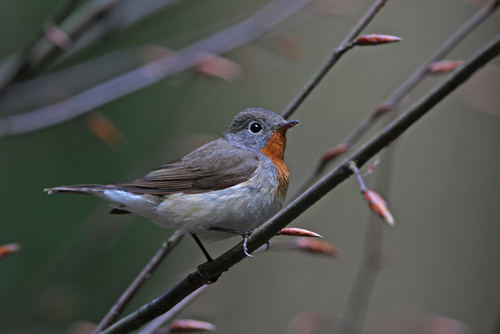 papa-moscas-real
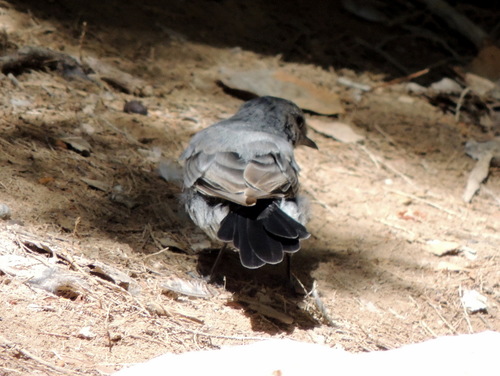 rabinegro
Em resumo
A marca de campo mais confiável para separar o papa-moscas-real do rabinegro é a presença de um anel ocular branco ousado e o padrão distinto da cauda: o papa-moscas-real (todas as idades) apresenta uma cauda preta com bases brancas nas penas da cauda externa, enquanto o rabinegro tem uma cauda e um rabo totalmente pretos, frequentemente abertos, sem branco. Nos machos em reprodução, a mancha laranja na garganta do papa-moscas-real é única, mas as fêmeas e os imaturos não possuem isso e podem ser confundidos com o rabinegro. No entanto, o rabinegro é maior, com uma postura mais longa e ereta, e possui plumagem uniforme azulada ou marrom-acinzentada sem anel ocular. O habitat e o comportamento também ajudam: o rabinegro é um pássaro do deserto, frequentemente visto em rochas em paisagens áridas, enquanto o papa-moscas-real é um migrante de florestas. Se você ver um pequeno papa-moscas com um anel ocular branco e uma cauda bicolor em um ambiente folhoso, é o papa-moscas-real; um pássaro maior e ereto com uma cauda preta sólida em um deserto rochoso é o rabinegro.
Dicas de identificação
- Padrão da cauda (todas as idades): O papa-moscas-real sempre mostra uma cauda preta com bases brancas nas penas da cauda externa, visível quando a cauda está aberta ou balançada. A cauda e o rabo do rabinegro são totalmente pretos, sem branco, e a cauda é frequentemente aberta.
- Anel ocular: O papa-moscas-real tem um anel ocular branco proeminente em todas as plumagens; o rabinegro nunca mostra um anel ocular.
- Cor da garganta (machos em reprodução): Apenas os machos do papa-moscas-real têm uma mancha laranja brilhante na garganta. O rabinegro nunca mostra laranja ou tons quentes na garganta.
- Coloração geral: O papa-moscas-real é marrom por cima e branco por baixo, com uma cabeça cinza nos machos. O rabinegro é uniformemente azul-acinzentado ou marrom-acinzentado, com pouco contraste entre as partes superiores e inferiores.
- Cor do bico: O bico do papa-moscas-real é preto com uma base rosa pálido (especialmente óbvio em boa luz); o bico do rabinegro é totalmente preto.
- Cor das pernas: Ambos têm pernas escuras, não sendo um separador útil.
- Tamanho e estrutura: O rabinegro é maior e mais robusto, com uma cauda mais longa e uma postura mais ereta, semelhante a um chat. O papa-moscas-real é menor, mais delicado e pousa mais horizontalmente.
- Comportamento: O papa-moscas-real balança sua cauda para cima e frequentemente mantém as pontas das asas para baixo; ele se alimenta saltando de poleiros em árvores ou arbustos. O rabinegro é mais propenso a ser visto em rochas ou no chão, abrindo sua cauda e fazendo voos curtos e diretos.
- Habitat: O papa-moscas-real é encontrado em áreas arborizadas ou arbustivas, especialmente durante a migração; o rabinegro é estritamente um pássaro de desertos rochosos e encostas áridas.
- Voz: O canto do papa-moscas-real é um doce assobio descendente, frequentemente com um chamado ruidoso; o canto do rabinegro é um assobio claro e melancólico com frases repetidas. Chamadas são menos prováveis de serem ouvidas do papa-moscas no inverno.
- Diferenças sexuais: Ambas as espécies são sexualmente monomórficas fora dos machos em reprodução do papa-moscas, então não confie no sexo para separação, exceto pela garganta laranja no macho do papa-moscas-real.
- Padrão de voo: As bases brancas da cauda do papa-moscas-real podem piscar em voo; a cauda do rabinegro permanece totalmente preta mesmo quando aberta.
- Jizz: O papa-moscas-real é inquieto, frequentemente se movendo através da folhagem; o rabinegro é mais deliberado, ereto e frequentemente pousa em áreas abertas.
- Temporada/contexto: O papa-moscas-real é migratório e pode ser visto fora da temporada de reprodução durante a passagem; o rabinegro é residente durante todo o ano em seu alcance.
- Armadilhas: Fêmeas e imaturos do papa-moscas-real não têm garganta laranja e podem parecer simples, mas o anel ocular e o padrão da cauda permanecem confiáveis. O rabinegro pode parecer mais marrom nas raças do Norte da África, mas nunca mostra o anel ocular branco ou o padrão da cauda do papa-moscas.
Tamanho
O papa-moscas-real é menor, com 11–12 cm de comprimento [wikipedia], apenas ligeiramente maior que um Pica-pau-europeu, e visivelmente mais pequeno que o rabinegro. O rabinegro mede cerca de 14 cm de comprimento com uma envergadura de 23–27 cm e pesa cerca de 15 g [wikipedia]. A diferença é sutil à distância, mas torna-se aparente se ambos forem vistos lado a lado ou com espécies familiares para escala: o rabinegro tem uma aparência mais robusta e de corpo mais longo e uma cauda proporcionalmente mais longa.
Plumagem
-
Juvenil/imaturo/primeiro-inverno (todas as idades): O papa-moscas-real de todas as idades mostra uma cauda preta com bases brancas nas penas da cauda externa, dando um efeito bicolor quando aberto ou balançado. Isso é visível tanto pousado quanto em voo e é uma marca chave. O rabinegro, independentemente da idade ou sexo, tem uma cauda e um rabo totalmente pretos, sem branco, e frequentemente abre sua cauda, enfatizando a cor preta sólida.
-
Machos adultos em reprodução: Os machos do papa-moscas-real têm um dorso marrom apagado, cabeça cinza, partes inferiores brancas e uma conspícua mancha laranja na garganta. Os machos do rabinegro (e fêmeas) são uniformemente azul-acinzentados (ou marrom-acinzentados nas raças do Norte da África), sem tons laranja ou quentes, e não possuem anel ocular.
-
Fêmeas e imaturos: As fêmeas e imaturos do papa-moscas-real são marrons por cima e brancas por baixo, com um claro anel ocular branco e sem garganta laranja. O rabinegro de todas as idades e sexos é mais uniforme em cor, com um tom azul-acinzentado ou marrom-acinzentado, e nunca mostra um anel ocular branco ou laranja na garganta.
-
Bico e pernas: O papa-moscas-real tem um bico preto com uma base rosa pálido, mais extensa do que em papa-moscas semelhantes. O bico e as pernas do rabinegro são totalmente pretos.
Comportamento
O papa-moscas-real é um pássaro ativo e inquieto, frequentemente visto balançando sua cauda para cima e saltando de poleiros para capturar insetos no ar ou coletando de folhas e troncos, geralmente em áreas arborizadas ou arbustivas. Ele frequentemente mantém as pontas das asas para baixo enquanto balança a cauda. O rabinegro é mais confiante e ereto, frequentemente encontrado em rochas ou em terreno desértico aberto, frequentemente abrindo sua cauda e fazendo voos curtos até o chão para capturar insetos. Ele é menos arbóreo e mais terrestre do que o papa-moscas, e é notavelmente destemido em relação às pessoas.
Habitat
O papa-moscas-real se reproduz em florestas do leste europeu e da Ásia Central e migra através ou inverna no sul da Ásia, favorecendo habitats arborizados, folhosos ou arbustivos. Ele é um migrante regular de passagem na Europa ocidental. O rabinegro é residente de desertos rochosos e encostas montanhosas no Norte da África, Oriente Médio e Península Arábica. Ele raramente é encontrado longe de habitats áridos e pedregosos e está ausente de florestas. Assim, o habitat é uma pista forte: áreas arborizadas ou folhosas favorecem o papa-moscas; terrenos rochosos, áridos ou desertos apontam para o rabinegro.
Voz
O canto do papa-moscas-real é um assobio curto, doce e que se propaga longe, frequentemente com uma sequência descendente, e seu chamado é um suave chip-chip-chr-rrr ou um curto e ruidoso zrrrt. Ele é em sua maioria silencioso no inverno. O canto do rabinegro é um assobio claro e melancólico com frases repetidas (CHURlee...TRUloo...), e seus chamados são derivados de frases curtas do canto. O canto do rabinegro é mais triste e menos variado do que o do papa-moscas, e é frequentemente emitido de rochas expostas em campo aberto.