

Pigliamosche pettirosso vs Blackstart
Ficedula parva contro Oenanthe melanura
Fai un quiz con Pigliamosche pettirosso e Blackstart
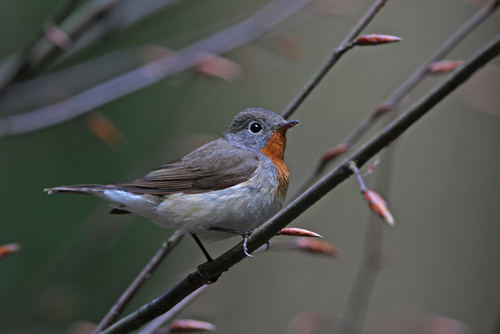 Pigliamosche pettirosso
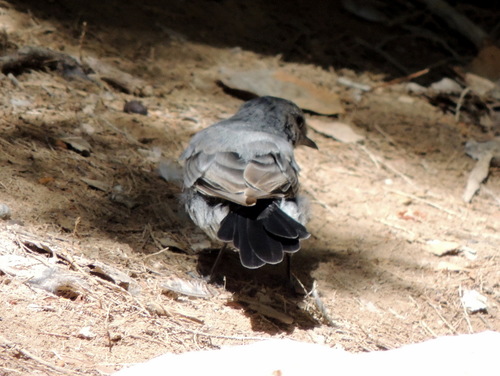 Blackstart
In breve
Il segno distintivo più affidabile per separare il Pigliamosche pettirosso dal Blackstart è la presenza di un anello oculare bianco audace e il modello distintivo della coda: il Pigliamosche pettirosso (tutte le età) mostra una coda nera con basi bianche sulle penne esterne della coda, mentre il Blackstart ha una coda e un sopracciglio completamente neri, frequentemente aperti, senza bianco. Nei maschi in riproduzione, la macchia arancione sulla gola del Pigliamosche pettirosso è unica, ma le femmine e gli immaturi ne sono privi e possono essere confusi con il Blackstart. Tuttavia, il Blackstart è più grande, con una postura più lunga e verticale, e ha un piumaggio uniforme bluastro-grigio o grigio-marrone senza anello oculare. L'habitat e il comportamento aiutano anche: il Blackstart è un chiacchierino del deserto, spesso visto su rocce in paesaggi aridi, mentre il Pigliamosche pettirosso è un migratore dei boschi. Se vedi un piccolo pigliamosche con un anello oculare bianco e una coda bicolore in un ambiente foglioso, è il Pigliamosche pettirosso; un uccello più grande e verticale con una coda nera solida in un deserto roccioso è il Blackstart.
Consigli di identificazione
- Tail pattern (all ages): Il Pigliamosche pettirosso mostra sempre una coda nera con basi bianche sulle penne esterne della coda, visibile quando la coda è aperta o scossa. La coda e il sopracciglio del Blackstart sono completamente neri, senza bianco, e la coda è spesso aperta.
- Eyering: Il Pigliamosche pettirosso ha un anello oculare bianco prominente in tutte le livree; il Blackstart non mostra mai un anello oculare.
- Throat color (breeding males): Solo i maschi del Pigliamosche pettirosso hanno una macchia arancione brillante sulla gola. Il Blackstart non mostra mai arancione o toni caldi sulla gola.
- Overall coloration: Il Pigliamosche pettirosso è marrone sopra e bianco sotto, con una testa grigia nei maschi. Il Blackstart è uniformemente bluastro-grigio o grigio-marrone, con poco contrasto tra la parte superiore e quella inferiore.
- Bill color: Il becco del Pigliamosche pettirosso è nero con una base rosa pallido (soprattutto evidente in buona luce); il becco del Blackstart è completamente nero.
- Leg color: Entrambi hanno zampe scure, non un separatore utile.
- Size and structure: Il Blackstart è più grande e robusto, con una coda più lunga e una postura più verticale, simile a un chiacchierino. Il Pigliamosche pettirosso è più piccolo, più delicato e si posiziona più orizzontalmente.
- Behavior: Il Pigliamosche pettirosso muove la coda verso l'alto e spesso tiene le punte delle ali verso il basso; si nutre lanciandosi da posatoi su alberi o arbusti. Il Blackstart è più probabile che venga visto su rocce o a terra, aprendo la coda e facendo voli brevi e diretti.
- Habitat: Il Pigliamosche pettirosso si trova in aree boschive o cespugliose, specialmente durante la migrazione; il Blackstart è strettamente un uccello dei deserti rocciosi e delle pendici aride.
- Voice: Il canto del Pigliamosche pettirosso è un fischio dolce e discendente, spesso con un richiamo stridulo; il canto del Blackstart è un fischio chiaro e malinconico con frasi ripetute. I richiami sono meno probabili da sentire dal pigliamosche in inverno.
- Sex differences: Entrambe le specie sono sessualmente monomorfiche al di fuori dei maschi in riproduzione del pigliamosche, quindi non fare affidamento sul sesso per la separazione tranne che per la gola arancione nei maschi del Pigliamosche pettirosso.
- Flight pattern: Le basi bianche della coda del Pigliamosche pettirosso possono lampeggiare in volo; la coda del Blackstart rimane completamente nera anche quando è aperta.
- Jizz: Il Pigliamosche pettirosso è irrequieto, spesso si muove attraverso il fogliame; il Blackstart è più deliberato, verticale e spesso si posiziona in modo aperto.
- Season/context: Il Pigliamosche pettirosso è migratorio e può essere visto al di fuori della stagione di riproduzione durante il passaggio; il Blackstart è residente tutto l'anno nel suo areale.
- Pitfalls: Le femmine e gli immaturi del Pigliamosche pettirosso mancano della gola arancione e possono apparire semplici, ma l'anello oculare e il modello della coda rimangono affidabili. Il Blackstart può apparire più marrone nelle razze nordafricane ma non mostra mai l'anello oculare bianco o il modello della coda del pigliamosche.
Taglia
Pigliamosche pettirosso is smaller, at 11–12 cm in length [wikipedia], only slightly larger than a Eurasian Wren, and noticeably more petite than Blackstart. Blackstart measures about 14 cm in length with a wingspan of 23–27 cm and weighs around 15 g [wikipedia]. The difference is subtle at a distance but becomes apparent if both are seen side by side or with familiar species for scale: Blackstart has a bulkier, longer-bodied appearance and a proportionally longer tail.
Piumaggio
-
Juvenile/immature/first-winter (all ages): Pigliamosche pettirosso of all ages shows a black tail with white bases to the outer tail feathers, giving a two-toned effect when fanned or flicked. This is visible both perched and in flight and is a key mark. Blackstart, regardless of age or sex, has a wholly black tail and rump, with no white, and often fans its tail, emphasizing the solid black color.
-
Adult breeding males: Pigliamosche pettirosso males have a muted brown back, grey head, white underparts, and a conspicuous orange throat patch. Blackstart males (and females) are uniform bluish-grey (or grey-brown in North African races), with no orange or warm tones, and lack any eyering.
-
Females and immatures: Pigliamosche pettirosso females and immatures are brown above and white below, with a clear white eyering and no orange throat. Blackstart of all ages and sexes is more uniform in color, with a bluish-grey or brownish-grey tone, and never shows a white eyering or orange on the throat.
-
Bill and legs: Pigliamosche pettirosso has a black bill with a pale pinkish base, more extensive than in similar flycatchers. Blackstart’s bill and legs are entirely black.
Comportamento
Il Pigliamosche pettirosso è un uccello attivo e irrequieto, spesso visto muovere la coda verso l'alto e lanciarsi da posatoi per catturare insetti in volo o raccogliere da foglie e tronchi, di solito in aree boschive o cespugliose. Spesso tiene le punte delle ali verso il basso mentre muove la coda. Il Blackstart è più sicuro e verticale, frequentemente trovato su rocce o in terreni desertici aperti, spesso aprendo la coda e facendo voli brevi verso il suolo per catturare insetti. È meno arboricolo e più terrestre rispetto al pigliamosche, ed è notevolmente non spaventato dalle persone.
Habitat
Il Pigliamosche pettirosso nidifica nelle foreste dell'Europa orientale e dell'Asia centrale e migra attraverso o sverna nel sud dell'Asia, preferendo habitat boschivi, cespugliosi o fogliosi. È un migratore regolare in transito nell'Europa occidentale. Il Blackstart è residente nei deserti rocciosi e nelle pendici montuose del Nord Africa, del Medio Oriente e della Penisola Arabica. È raramente trovato lontano da habitat aridi e rocciosi ed è assente dalle foreste. Pertanto, l'habitat è un forte indizio: aree boschive o fogliose favoriscono il pigliamosche; terreni rocciosi, aridi o desertici indicano il Blackstart.
Voce
Il canto del Pigliamosche pettirosso è un fischio breve, dolce e che si diffonde, spesso con una sequenza discendente, e il suo richiamo è un morbido chip-chip-chr-rrr o un breve zrrrt stridulo. È per lo più silenzioso in inverno. Il canto del Blackstart è un fischio chiaro e malinconico con frasi ripetute (CHURlee...TRUloo...), e i suoi richiami derivano da brevi frasi del canto. Il canto del Blackstart è più malinconico e meno vario rispetto a quello del pigliamosche, ed è spesso emesso da rocce esposte in campagna aperta.
Pigliamosche pettirosso · Blackstart · I miei uccelli difficili