

alegrinho-do-chaco vs enferrujado
Inezia inornata versus Lathrotriccus euleri
Jogue um quiz com alegrinho-do-chaco e enferrujado
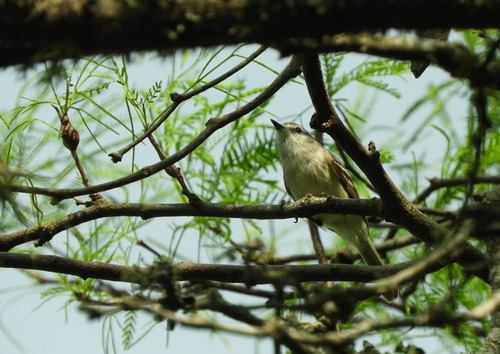 alegrinho-do-chaco
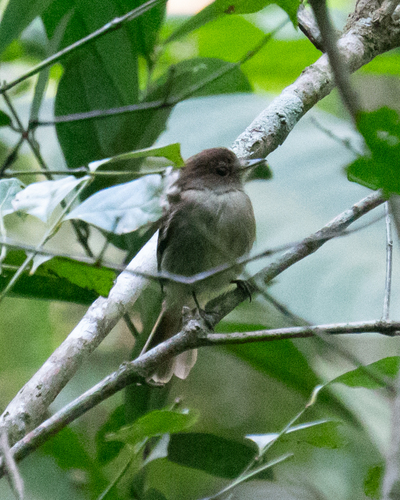 enferrujado
Em resumo
A marca de campo mais confiável para separar o alegrinho-do-chaco do enferrujado é o tamanho e a estrutura geral: o alegrinho-do-chaco é distintamente menor e mais delicado, com um bico mais curto e uma construção mais fina, enquanto o enferrujado é notavelmente maior e mais robusto. Na plumagem, ambos apresentam duas barras alares pálidas e um anel ocular pálido, mas o alegrinho-do-chaco tem uma coroa e um rosto cinza-oliva com um supercílios branco fino, enquanto o enferrujado tem uma coroa e nuca oliva-marrom mais quentes e uma faixa pálida acima das lore. A cor e a estrutura do bico também ajudam: o alegrinho-do-chaco tem um bico fino, principalmente preto, enquanto o enferrujado tem um bico mais robusto com uma mandíbula inferior rosada ou alaranjada. Ambos podem ocorrer em habitats semelhantes, então a atenção cuidadosa a esses detalhes estruturais e de plumagem é essencial.
Dicas de identificação
- O tamanho é uma pista primária: O alegrinho-do-chaco é muito menor e mais leve que o enferrujado. Se o pássaro parecer delicado e compacto, suspeite do alegrinho; se parecer robusto e com bico grosso, considere o enferrujado.
- Estrutura e cor do bico: O alegrinho-do-chaco tem um bico fino, principalmente preto (às vezes com uma base mais clara), enquanto o enferrujado tem um bico mais robusto com uma mandíbula superior preta e uma mandíbula inferior rosada ou alaranjada. A cor do bico é melhor vista em boa luz.
- Cor da coroa: O alegrinho-do-chaco apresenta uma coroa cinza a cinza-oliva, enquanto o enferrujado tem uma coroa e nuca oliva-marrom mais quentes.
- Padrão facial: O alegrinho-do-chaco tem um rosto esbranquiçado com um supercílios branco fino e um anel ocular branco fino, dando uma aparência mais contrastante e 'aberta'. O enferrujado tem um anel ocular esbranquiçado e uma faixa pálida acima das lore, mas o rosto é mais uniformemente oliva-marrom e menos contrastante.
- Barras alares: Ambas as espécies têm duas barras alares pálidas, mas as do alegrinho são brancas opacas, enquanto as do enferrujado são pálidas e buff. Isso é sutil e pode ser difícil de julgar sem comparação direta.
- Partes inferiores: O alegrinho-do-chaco tem partes inferiores cinzentas e sujas com um tom amarelo pálido na parte inferior do abdômen e na parte inferior da cauda. O enferrujado tem uma garganta branca acinzentada, peito oliva-marrom e um abdômen pálido amarelo a branco. As subespécies do enferrujado podem mostrar mais ou menos amarelo, mas nunca o rosto e o supercílios cinza-oliva do alegrinho.
- Partes superiores: As costas e a rabadilha do alegrinho são cinzentas a cinza-oliva; o enferrujado é oliva-marrom por cima com uma rabadilha marrom.
- Cauda: Ambos têm caudas escuras, mas nenhuma diferença forte é descrita em forma ou comprimento.
- Cor do íris: Ambos têm íris escuras; não é útil para separação.
- Cor das pernas: Ambos têm pernas e pés cinzentos a marrons escuros; não é diagnóstico.
- Comportamento: O alegrinho-do-chaco é mais inquieto, frequentemente batendo as asas e a cauda, enquanto o enferrujado é mais estável.
- Habitat: Ambos podem ocorrer em habitats semelhantes, mas o alegrinho é mais provável em florestas abertas e secas; o enferrujado é amplamente distribuído em florestas úmidas e bordas. Use com cautela.
- Sexo e idade: Ambos os sexos parecem semelhantes em ambas as espécies. Nenhuma marca de campo específica para idade forte é descrita para separação.
- Voo vs empoleirado: O tamanho e a estrutura são frequentemente mais fáceis de julgar em voo. Pássaros empoleirados requerem atenção cuidadosa ao padrão facial e ao bico.
- Voz: Nenhuma diferença vocal diagnóstica é fornecida nas fontes; não confie em canto ou chamado para separação com as informações dadas.
Tamanho
O alegrinho-do-chaco é muito menor, medindo cerca de 9 cm de comprimento e pesando 5,5–6 g. O enferrujado é significativamente maior, medindo 12,7–13,5 cm e pesando 9–13,8 g. Essa diferença de tamanho é geralmente óbvia em campo, especialmente quando vistos lado a lado ou comparados a espécies conhecidas. O alegrinho parece delicado e compacto, enquanto o enferrujado é mais robusto e com bico grosso.
Plumagem
- Padrão de asas juvenil/imaturo: Nenhuma marca de asa superior específica para idade é descrita para ambas as espécies; ambas mostram duas barras alares pálidas em todas as plumagens, mas a cor difere: as barras alares do alegrinho-do-chaco são brancas opacas, enquanto as do enferrujado são pálidas e buff.
- Adultos: O alegrinho-do-chaco tem uma coroa cinza a cinza-oliva, rosto esbranquiçado com um supercílios branco fino e anel ocular, costas cinza-oliva e partes inferiores cinzentas e sujas com um tom amarelo pálido na parte inferior do abdômen e na parte inferior da cauda. O enferrujado tem uma coroa e nuca oliva-marrom quentes, partes superiores oliva-marrom, um anel ocular esbranquiçado e uma faixa pálida acima das lore. Suas partes inferiores são brancas acinzentadas na garganta, oliva-marrom no peito e pálidas amarelas a brancas no abdômen. O bico do alegrinho-do-chaco é fino e preto (às vezes com uma base mais clara), enquanto o enferrujado tem uma maxila preta e uma mandíbula inferior rosada ou alaranjada opaca. As subespécies do enferrujado variam ligeiramente na cor das partes inferiores, mas sempre carecem do rosto e do supercílios cinza-oliva do alegrinho.
Comportamento
Ambas as espécies são ativas e frequentemente forrageiam no sub-bosque ou na copa, mas o alegrinho-do-chaco tende a ser mais inquieto e frequentemente bate as asas e a cauda. O enferrujado pode parecer mais deliberado e menos nervoso. Em voo, o tamanho menor e os movimentos mais rápidos do alegrinho podem ser notáveis em comparação com o enferrujado, que voa de forma mais robusta e estável.
Habitat
Há uma sobreposição considerável em habitat: ambas as espécies podem ser encontradas em uma variedade de habitats florestais e de borda, incluindo bordas de florestas, crescimento secundário e arbustos. No entanto, o alegrinho-do-chaco é mais provável em florestas mais secas ou abertas, enquanto o enferrujado é amplamente distribuído em florestas úmidas e bordas. O habitat sozinho não é diagnóstico onde as distribuições se sobrepõem.