

Plain Tyrannulet vs Euler's Flycatcher
Inezia inornata contro Lathrotriccus euleri
Fai un quiz con Plain Tyrannulet e Euler's Flycatcher
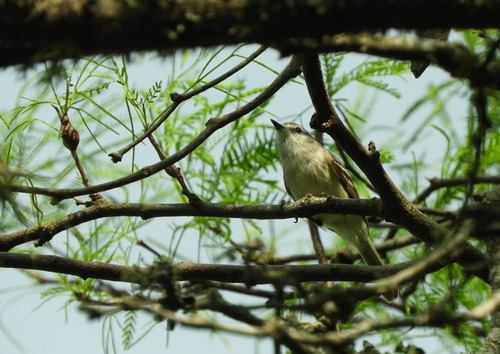 Plain Tyrannulet
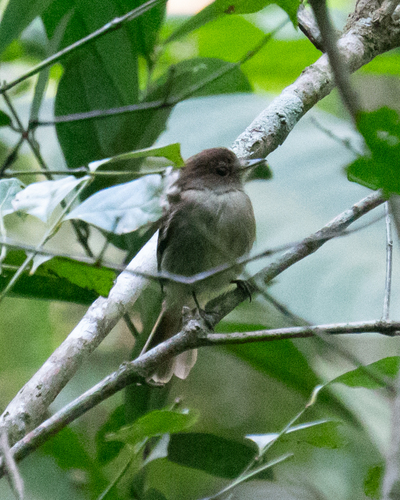 Euler's Flycatcher
In breve
Il segno distintivo più affidabile per separare il Plain Tyrannulet dall'Euler's Flycatcher è la dimensione e la struttura complessiva: il Plain Tyrannulet è nettamente più piccolo e più delicato, con un becco più corto e una costruzione più fine, mentre l'Euler's Flycatcher è notevolmente più grande e massiccio. Nel piumaggio, entrambi mostrano due barre alari chiare e un anello oculare chiaro, ma il Plain Tyrannulet ha una corona e un volto grigio-oliva con un sottile sopracciglio bianco, mentre l'Euler's Flycatcher ha una corona e una nuca di un oliva-marrone più caldo e una debole striscia chiara sopra le lore. Anche il colore e la struttura del becco aiutano: il Plain Tyrannulet ha un becco sottile, per lo più nero, mentre l'Euler's Flycatcher ha un becco più robusto con una mandibola inferiore di colore rosato o arancione. Entrambi possono trovarsi in habitat simili, quindi è essenziale prestare attenzione a questi dettagli strutturali e di piumaggio.
Consigli di identificazione
- La dimensione è un indizio principale: Il Plain Tyrannulet è molto più piccolo e leggero dell'Euler's Flycatcher. Se l'uccello appare delicato e compatto, sospetta il Tyrannulet; se sembra robusto e con un becco pesante, considera l'Euler's.
- Struttura e colore del becco: Il Plain Tyrannulet ha un becco sottile, per lo più nero (a volte con una base più chiara), mentre l'Euler's Flycatcher ha un becco più robusto con una mandibola superiore nera e una mandibola inferiore rosata o arancione. Il colore del becco è meglio visibile in buona luce.
- Colore della corona: Il Tyrannulet mostra una corona grigio-oliva, mentre l'Euler's Flycatcher ha una corona e una nuca di un oliva-marrone più caldo.
- Schema facciale: Il Plain Tyrannulet ha un volto biancastro con un sottile sopracciglio bianco e un sottile anello oculare bianco, dando un aspetto più contrastante e 'aperto'. L'Euler's Flycatcher ha un anello oculare biancastro e una debole striscia chiara sopra le lore, ma il volto è più uniformemente oliva-marrone e meno contrastante.
- Barre alari: Entrambe le specie hanno due barre alari chiare, ma quelle del Tyrannulet sono bianche opache, mentre quelle dell'Euler's sono di un buff chiaro. Questo è sottile e potrebbe essere difficile da giudicare senza un confronto diretto.
- Parti inferiori: Il Plain Tyrannulet ha parti inferiori grigie sporche con una leggera sfumatura gialla sulla pancia inferiore e sull'undertail. L'Euler's Flycatcher ha una gola bianco-grigia, un petto oliva-marrone e una pancia di un giallo pallido a bianco. Le sottospecie dell'Euler's possono mostrare più o meno giallo, ma mai il volto grigio-oliva e il sopracciglio del Tyrannulet.
- Parti superiori: La schiena e il coda del Tyrannulet sono grigio-oliva; l'Euler's Flycatcher è oliva-marrone sopra con un coda marrone.
- Coda: Entrambi hanno code scure, ma non viene descritta una forte differenza nella forma o nella lunghezza.
- Colore dell'iride: Entrambi hanno iridi scure; non utile per la separazione.
- Colore delle gambe: Entrambi hanno gambe e piedi grigio-marroni; non diagnostico.
- Comportamento: Il Tyrannulet è più irrequieto, spesso sbattendo ali e coda, mentre l'Euler's è più stabile.
- Habitat: Entrambi possono trovarsi in habitat simili, ma il Tyrannulet è più probabile in boschi più secchi e aperti; l'Euler's è diffuso in foreste umide e bordi. Usare con cautela.
- Sesso e età: Entrambi i sessi sembrano simili in entrambe le specie. Non vengono descritti forti segni specifici per l'età per la separazione.
- Volo vs posato: Dimensione e struttura sono spesso più facili da giudicare in volo. Gli uccelli posati richiedono attenzione ai dettagli del pattern facciale e del becco.
- Voce: Non vengono forniti differenze vocali diagnostiche nelle fonti; non fare affidamento su canto o richiamo per la separazione con le informazioni fornite.
Taglia
Il Plain Tyrannulet è molto più piccolo, misurando circa 9 cm di lunghezza e pesando 5.5–6 g. L'Euler's Flycatcher è significativamente più grande a 12.7–13.5 cm e 9–13.8 g. Questa differenza di dimensione è solitamente ovvia sul campo, specialmente quando visti fianco a fianco o confrontati con specie conosciute. Il Tyrannulet appare delicato e compatto, mentre l'Euler's Flycatcher è più robusto e con un becco pesante.
Piumaggio
- Schema alare giovanile/immaturo: Non vengono descritti segni specifici per l'età per nessuna delle due specie; entrambe mostrano due barre alari chiare in tutti i piumaggi, ma il colore differisce: le barre alari del Plain Tyrannulet sono bianche opache, mentre quelle dell'Euler's Flycatcher sono di un buff chiaro.
- Adulti: Il Plain Tyrannulet ha una corona grigio-oliva, un volto biancastro con un sottile sopracciglio bianco e un anello oculare, una schiena grigio-oliva e parti inferiori grigie sporche con una leggera sfumatura gialla sulla pancia inferiore e sull'undertail. L'Euler's Flycatcher ha una corona e una nuca di un oliva-marrone caldo, parti superiori oliva-marrone, un anello oculare biancastro e una debole striscia chiara sopra le lore. Le sue parti inferiori sono bianco-grigie sulla gola, oliva-marrone sul petto e giallo pallido a bianco sulla pancia. Il becco del Plain Tyrannulet è sottile e nero (a volte con una base più chiara), mentre l'Euler's Flycatcher ha una maxilla nera e una mandibola di un rosa opaco o arancione. Le sottospecie dell'Euler's Flycatcher variano leggermente nel colore delle parti inferiori ma mancano sempre del volto grigio-oliva e del sopracciglio del Tyrannulet.
Comportamento
Entrambe le specie sono attive e spesso cercano cibo nel sottobosco o nella chioma, ma il Plain Tyrannulet tende ad essere più irrequieto e sbatte frequentemente le ali e la coda. L'Euler's Flycatcher può apparire più deliberato e meno nervoso. In volo, la dimensione più piccola e i movimenti più rapidi del Tyrannulet possono essere evidenti rispetto all'Euler's, che vola in modo più robusto e stabile.
Habitat
C'è un notevole sovrapposizione negli habitat: entrambe le specie possono essere trovate in una gamma di habitat boschivi e di margine, comprese le aree boschive, la crescita secondaria e il cespuglio. Tuttavia, il Plain Tyrannulet è più probabile in boschi più secchi o più aperti, mentre l'Euler's Flycatcher è diffuso in foreste umide e bordi. L'habitat da solo non è diagnostico dove le aree si sovrappongono.
Plain Tyrannulet · Euler's Flycatcher · I miei uccelli difficili