

pale-billed scrubwren vs buff-faced scrubwren
Aethomyias spilodera versus Aethomyias perspicillatus
Jogue um quiz com pale-billed scrubwren e buff-faced scrubwren
 pale-billed scrubwren
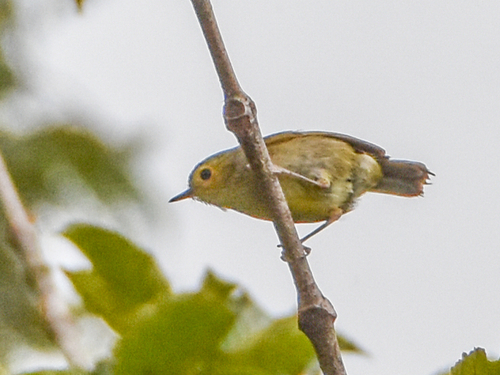 buff-faced scrubwren
Em resumo
A maneira mais confiável de separar o pale-billed scrubwren do buff-faced scrubwren é pelo habitat: o pale-billed é encontrado em florestas de baixa altitude da Nova Guiné e das Ilhas Aru, enquanto o buff-faced é restrito às florestas montanas de alta altitude da Nova Guiné. No campo, as diferenças de plumagem estão mal documentadas, então o contexto e a localização são essenciais. Se você encontrar um scrubwren nas baixas altitudes, é quase certamente um pale-billed; nas altas altitudes, o buff-faced é o candidato provável. Diferenças estruturais e vocais não são descritas nas fontes disponíveis, então confie na elevação e no tipo de floresta para uma identificação confiante.
Dicas de identificação
- Habitat e Elevação: Esta é a separação mais confiável. O pale-billed scrubwren ocorre em florestas de baixa altitude (Ilhas Aru e Nova Guiné), enquanto o buff-faced scrubwren é confinado a florestas montanas de alta altitude na Nova Guiné. Sempre verifique sua elevação e tipo de floresta.
- Distribuição Geográfica: Se você estiver nas Ilhas Aru, apenas o pale-billed scrubwren está presente. Na Nova Guiné, use a elevação como seu principal guia.
- Plumagem: Não há marcas de campo documentadas ou diferenças de plumagem específicas por idade entre essas duas espécies. Não confie na cor, padrão das asas ou marcas faciais para separação.
- Estrutura: Nenhuma diferença estrutural (forma do bico, comprimento da cauda, fórmula das asas) é descrita nas fontes. Ambos são scrubwrens pequenos típicos.
- Tamanho: Apenas o pale-billed scrubwren tem uma massa publicada (11,7 g), mas isso não é provável que seja útil no campo, já que ambas as espécies são semelhantes em tamanho.
- Comportamento: Nenhuma diferença comportamental é notada. Ambas as espécies se comportam como scrubwrens típicos em sub-bosques densos.
- Vocalizações: Nenhuma informação está disponível sobre diferenças vocais. Não use canção ou chamada para separação, a menos que você tenha experiência local.
- Estação e Sexo: Nenhuma diferença de plumagem sazonal ou baseada em sexo é descrita para qualquer uma das espécies. A identificação por estação ou sexo não é possível.
- Visões em Voo vs Empoleiradas: Não há notas sobre características distintivas de voo ou empoleiradas para qualquer uma das espécies. Ambas são provavelmente vistas se escondendo em vegetação densa.
- Armadilhas: A principal armadilha é tentar separar essas espécies apenas pela aparência. Sempre priorize habitat e elevação sobre marcas visuais.
- Quando Incerto: Se você não tiver certeza da sua elevação ou habitat, pode não ser possível atribuir um registro a uma espécie com confiança. Documente a localização e o habitat para revisão posterior.
- Contexto do Quiz: Se você confundiu essas espécies em um quiz, a pergunta provavelmente se baseou em habitat ou distribuição, não em marcas de campo. Lembre-se de que para essas duas, o contexto é tudo.
- Taxonomia Recente: Ambas as espécies estavam anteriormente em Sericornis e agora estão em Aethomyias, mas isso não afeta a identificação em campo.
- Abundância Local: Nenhum dado do eBird ou da comunidade está disponível, mas espere encontrar o pale-billed nas baixas altitudes e o buff-faced nas altas altitudes.
- Dica Resumida: Quando em dúvida, use habitat e elevação como suas principais pistas. A aparência sozinha não separará essas duas scrubwrens de forma confiável.
Tamanho
Apenas o pale-billed scrubwren tem uma massa média corporal documentada (11,7 g [wikidata]), mas não há massa publicada para o buff-faced scrubwren. Ambos são acanthizídeos pequenos e provavelmente são semelhantes em tamanho, então o tamanho não é uma marca de campo confiável para separação.
Plumagem
Nenhuma diferença de plumagem detalhada é descrita entre essas duas espécies nas fontes disponíveis. Ambas foram recentemente reclassificadas no gênero Aethomyias, e não há notas sobre padrões de asas específicos por idade, plumagem juvenil ou imatura, ou características distintivas de adultos que possam ser usadas em campo. Portanto, a plumagem não deve ser confiada para identificação entre essas duas espécies.
Comportamento
Nenhuma diferença comportamental é documentada entre os pale-billed e buff-faced scrubwrens nas fontes disponíveis. Ambos são scrubwrens típicos do sub-bosque florestal, e o comportamento não é uma marca de campo útil para separar essas espécies.
Habitat
O habitat é o fator distintivo chave: o pale-billed scrubwren é encontrado em florestas úmidas de baixa altitude subtropicais ou tropicais da Nova Guiné e das Ilhas Aru, enquanto o buff-faced scrubwren é restrito a florestas úmidas montanas (de alta altitude) subtropicais ou tropicais na Nova Guiné. Se você estiver observando aves em áreas de baixa altitude, espere encontrar o pale-billed; em florestas montanas ou de alta altitude, espere encontrar o buff-faced. Seus habitats não costumam se sobrepor em elevação.
pale-billed scrubwren · buff-faced scrubwren · Minhas aves difíceis