

Pale-billed Scrubwren vs Buff-faced Scrubwren
Aethomyias spilodera contro Aethomyias perspicillatus
Fai un quiz con Pale-billed Scrubwren e Buff-faced Scrubwren
 Pale-billed Scrubwren
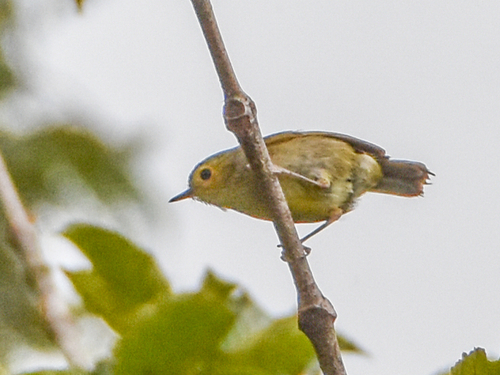 Buff-faced Scrubwren
In breve
Il modo più affidabile per separare il Pale-billed Scrubwren dal Buff-faced Scrubwren è l'habitat: il Pale-billed si trova nelle foreste di pianura della Nuova Guinea e delle Isole Aru, mentre il Buff-faced è limitato alle foreste montane delle terre alte della Nuova Guinea. Sul campo, le differenze di piumaggio sono scarsamente documentate, quindi il contesto e la posizione sono essenziali. Se incontri un scrubwren nelle pianure, è quasi certamente un Pale-billed; nelle terre alte, il Buff-faced è il candidato probabile. Le differenze strutturali e vocali non sono descritte nelle fonti disponibili, quindi fai affidamento sull'altitudine e sul tipo di foresta per un'identificazione sicura.
Consigli di identificazione
- Habitat e Altitudine: Questa è la separazione più affidabile. Il Pale-billed Scrubwren si verifica nelle foreste di pianura (Isole Aru e Nuova Guinea), mentre il Buff-faced Scrubwren è confinato alle foreste montane delle terre alte nella Nuova Guinea. Controlla sempre la tua altitudine e il tipo di foresta.
- Gamma Geografica: Se ti trovi nelle Isole Aru, è presente solo il Pale-billed Scrubwren. Nella Nuova Guinea, usa l'altitudine come tua guida principale.
- Piumaggio: Non ci sono segni di campo documentati o differenze di piumaggio specifiche per età tra queste due specie. Non fare affidamento su colore, schema delle ali o segni facciali per la separazione.
- Struttura: Non sono descritte differenze strutturali (forma del becco, lunghezza della coda, formula delle ali) nelle fonti. Entrambi sono tipici piccoli scrubwren.
- Dimensioni: Solo il Pale-billed Scrubwren ha una massa pubblicata (11,7 g), ma questo non è probabile che sia utile sul campo, poiché entrambe le specie sono simili in dimensioni.
- Comportamento: Non sono notate differenze comportamentali. Entrambe le specie si comportano come tipici scrubwren in una fitta vegetazione.
- Vocalizzazioni: Non sono disponibili informazioni sulle differenze vocali. Non utilizzare il canto o il richiamo per la separazione a meno che tu non abbia esperienza locale.
- Stagione e Sesso: Non sono descritte differenze di piumaggio stagionali o basate sul sesso per nessuna delle due specie. L'identificazione per stagione o sesso non è possibile.
- Vista in Volo vs Posato: Non ci sono note su caratteristiche distintive in volo o posate per nessuna delle due specie. Entrambi sono probabilmente visti muoversi furtivamente in vegetazione densa.
- Trappole: La principale trappola è tentare di separare queste specie solo in base all'aspetto. Dai sempre priorità all'habitat e all'altitudine rispetto ai segni visivi.
- Quando Incerto: Se non sei sicuro della tua altitudine o habitat, potrebbe non essere possibile assegnare con sicurezza un record a una specie. Documenta la posizione e l'habitat per una revisione successiva.
- Contesto del Quiz: Se hai confuso queste specie in un quiz, la domanda probabilmente si basava su habitat o gamma, non su segni di campo. Ricorda che per queste due, il contesto è tutto.
- Tassonomia Recente: Entrambe le specie erano precedentemente in Sericornis e ora sono in Aethomyias, ma questo non influisce sull'identificazione sul campo.
- Abbondanza Locale: Non sono disponibili dati di eBird o della comunità, ma aspettati il Pale-billed nelle pianure e il Buff-faced nelle terre alte.
- Suggerimento Riepilogativo: Quando hai dubbi, usa habitat e altitudine come tuoi indizi principali. L'aspetto da solo non separerà in modo affidabile questi due scrubwren.
Taglia
Solo il Pale-billed Scrubwren ha una massa corporea media documentata (11,7 g [wikidata]), ma non esiste una massa pubblicata per il Buff-faced Scrubwren. Entrambi sono piccoli acanthizidi e probabilmente simili in dimensioni, quindi la dimensione non è un segno di campo affidabile per la separazione.
Piumaggio
Non sono descritte differenze di piumaggio dettagliate tra queste due specie nelle fonti disponibili. Entrambi sono stati recentemente riclassificati nel genere Aethomyias, e non ci sono note su schemi delle ali specifici per età, piumaggio giovanile o immaturo, o caratteristiche distintive degli adulti che possano essere utilizzate sul campo. Pertanto, non si dovrebbe fare affidamento sul piumaggio per l'identificazione tra queste due specie.
Comportamento
Non sono documentate differenze comportamentali tra il Pale-billed e il Buff-faced Scrubwren nelle fonti disponibili. Entrambi sono tipici scrubwren della vegetazione forestale, e il comportamento non è un segno di campo utile per separare queste specie.
Habitat
L'habitat è il fattore distintivo chiave: il Pale-billed Scrubwren si trova nelle foreste umide subtropicali o tropicali di pianura della Nuova Guinea e delle Isole Aru, mentre il Buff-faced Scrubwren è limitato alle foreste montane umide subtropicali o tropicali (terre alte) nella Nuova Guinea. Se stai osservando gli uccelli in aree di pianura, aspettati il Pale-billed; nelle foreste montane o delle terre alte, aspettati il Buff-faced. Le loro gamme non si sovrappongono tipicamente in altitudine.
Pale-billed Scrubwren · Buff-faced Scrubwren · I miei uccelli difficili