

ornate melidectes vs belford's melidectes
Melidectes torquatus versus Melidectes belfordi
Jogue um quiz com ornate melidectes e belford's melidectes
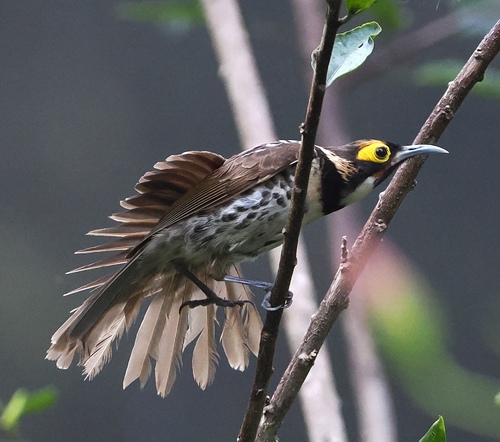 ornate melidectes
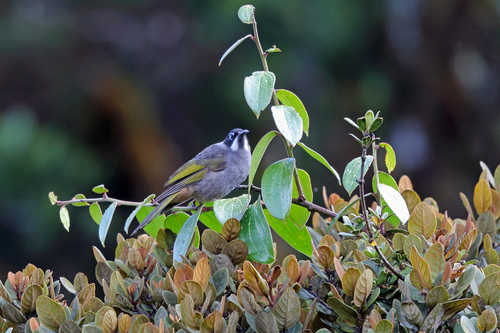 belford's melidectes
Em resumo
Ornate Melidectes e Belford's Melidectes são ambos grandes melífagos das florestas montanas das Terras Altas da Nova Guiné, e seus habitats semelhantes e estrutura geral os tornam fáceis de confundir à primeira vista. No entanto, a separação em campo é extremamente desafiadora com base nas informações disponíveis, uma vez que ambas as espécies compartilham preferências de habitat quase idênticas e não há diferenças documentadas em plumagem, estrutura ou vocalizações nas fontes atuais. A única distinção quantitativa é que Belford's Melidectes tem uma massa corporal média registrada de 82g, mas isso não é facilmente julgado em campo. Sem mais detalhes sobre plumagem específica para idade ou diferenças estruturais, os observadores de aves devem confiar em pistas sutis ou conhecimento local, e devem ter cautela quanto à autoconfiança na identificação ao encontrar essas espécies juntas.
Dicas de identificação
- Não confie apenas no habitat ou na distribuição: Ambas as espécies ocorrem nas florestas montanas das Terras Altas da Nova Guiné, então a localização sozinha não as separará.
- A plumagem não é diagnóstica: As fontes atuais não descrevem diferenças em coloração, padrão ou plumagem específica para idade entre essas duas espécies.
- O tamanho não é uma marca de campo confiável: Embora Belford's Melidectes tenha uma média de 82g, essa não é uma característica separável em campo, a menos que os pássaros sejam comparados diretamente, e não há tamanho disponível para Ornate Melidectes.
- Nenhuma diferença estrutural conhecida: Não há diferenças documentadas na forma do bico, comprimento da cauda ou estrutura das asas entre as duas espécies.
- Nenhuma diferença de padrão de voo ou de asas específica para idade: Nenhuma das espécies é descrita como tendo marcas de asas juvenis ou imaturas distintas que poderiam ser usadas para separação.
- O comportamento não é útil: Ambas as espécies são descritas como melífagos típicos, sem diferenças notadas em forrageamento ou comportamento social.
- Vocalizações não são descritas: Sem diferenças de canto ou chamada, o som não pode ser usado para identificação com base no conhecimento atual.
- Tenha cautela com guias de campo: Se um guia de campo ou especialista local afirmar uma diferença, verifique se há evidências fotográficas ou de áudio recentes, pois a literatura atual não apoia marcas de campo claras.
- Documente suas observações: Se você encontrar uma das espécies, tente obter fotos ou gravações, pois estudos futuros podem revelar diferenças sutis ainda não descritas.
- Verifique atualizações: A taxonomia e as marcas de campo para melífagos da Nova Guiné ainda estão sendo refinadas; consulte a literatura mais recente ou relatórios da comunidade para possíveis novas informações.
- Evite a autoconfiança excessiva: Dada a falta de características distintivas nas fontes disponíveis, é razoável deixar algumas aves não identificadas até o nível de espécie quando ambas são possíveis.
- Consulte especialistas locais: Às vezes, observadores de aves locais podem conhecer pistas sutis (como microhabitat ou comportamento) ainda não publicadas, mas trate essas informações com cautela, a menos que bem documentadas.
- Fotografe quaisquer indivíduos incomuns: Se você notar um pássaro que parece diferente dos Melidectes típicos, fotos detalhadas podem ajudar a esclarecer a identificação no futuro.
- Considere o contexto se uma espécie for muito mais comum: Se eBird ou listas locais mostrarem que uma espécie é muito mais provável em seu local, isso pode guiar sua identificação, mas não substitui as marcas de campo.
- Relate registros incertos: Se você não tiver certeza, relate como "Melidectes sp." para contribuir para uma melhor compreensão de sua distribuição e desafios de identificação.
Tamanho
Belford's Melidectes tem uma massa corporal média documentada de 82g, mas não há uma medida correspondente para Ornate Melidectes. Ambos são melífagos robustos, de tamanho médio a grande, e em campo, essa diferença de tamanho é provavelmente negligenciável ou extremamente difícil de julgar, a menos que os pássaros estejam lado a lado. Nenhuma outra diferença estrutural ou proporcional é notada nas fontes.
Plumagem
Não há diferenças documentadas na plumagem entre Ornate Melidectes e Belford's Melidectes nas fontes disponíveis. Nenhuma marca de campo específica para idade ou sazonalmente variável é descrita, e ambas as espécies são simplesmente descritas como melífagos típicos do gênero Melidectes. Não há menção de padrões de asas ou corpo distintivos de juvenis, imaturos ou adultos que poderiam ser usados para separação.
Comportamento
Ambas as espécies são descritas como membros típicos da família Meliphagidae e são encontradas no mesmo habitat. Nenhuma diferença comportamental—como estilo de alimentação, formação de bandos ou padrão de voo—é notada nas fontes disponíveis.
Habitat
Tanto Ornate Melidectes quanto Belford's Melidectes habitam florestas montanas úmidas subtropicais ou tropicais nas Terras Altas da Nova Guiné. Não há indicação de partição de habitat, separação por elevação ou preferência por microhabitat entre as duas espécies nas referências atuais.
Voz
Nenhuma informação está disponível sobre diferenças vocais entre Ornate Melidectes e Belford's Melidectes nas fontes fornecidas.
ornate melidectes · belford's melidectes · Minhas aves difíceis