

Ornate Melidectes vs Belford's Melidectes
Melidectes torquatus contro Melidectes belfordi
Fai un quiz con Ornate Melidectes e Belford's Melidectes
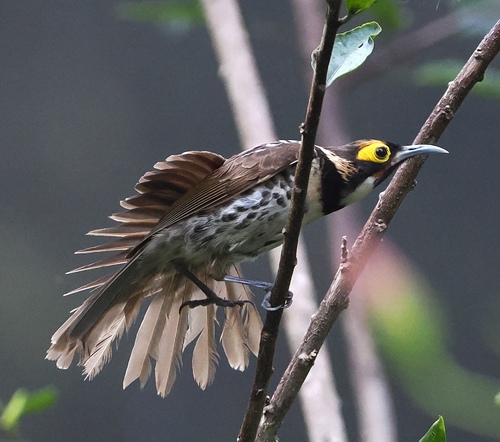 Ornate Melidectes
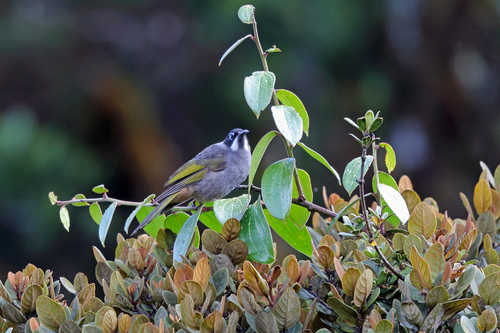 Belford's Melidectes
In breve
L'Ornate Melidectes e il Belford's Melidectes sono entrambi grandi nettarinidi delle foreste montane delle Highlands della Nuova Guinea, e i loro habitat simili e la struttura generale li rendono facili da confondere a colpo d'occhio. Tuttavia, la separazione sul campo è estremamente difficile basata sulle informazioni disponibili, poiché entrambe le specie condividono preferenze di habitat quasi identiche e non ci sono differenze documentate nel piumaggio, nella struttura o nelle vocalizzazioni nelle fonti attuali. L'unica distinzione quantitativa è che il Belford's Melidectes ha una massa corporea media registrata di 82g, ma questo non è facilmente giudicabile sul campo. Senza ulteriori dettagli sul piumaggio specifico per età o differenze strutturali, gli osservatori di uccelli devono fare affidamento su indizi sottili o conoscenze locali e dovrebbero essere cauti riguardo all'eccessiva fiducia nell'identificazione quando si incontrano queste specie insieme.
Consigli di identificazione
- Non fare affidamento su habitat o distribuzione: Entrambe le specie si trovano nelle foreste montane delle Highlands della Nuova Guinea, quindi la posizione da sola non le separerà.
- Il piumaggio non è diagnostico: Le fonti attuali non descrivono differenze nella colorazione, nel motivo o nel piumaggio specifico per età tra queste due specie.
- La dimensione non è un segno affidabile sul campo: Mentre il Belford's Melidectes ha una media di 82g, questo non è un tratto separabile sul campo a meno che gli uccelli non siano confrontati direttamente, e non è disponibile una misura per l'Ornate Melidectes.
- Nessuna differenza strutturale nota: Non ci sono differenze documentate nella forma del becco, nella lunghezza della coda o nella struttura delle ali tra le due specie.
- Nessuna differenza di volo o motivo delle ali specifica per età: Nessuna delle due specie è descritta come avente marcature distintive sulle ali giovanili o immature che potrebbero essere utilizzate per la separazione.
- Il comportamento non è utile: Entrambe le specie sono descritte come tipici nettarinidi, senza differenze note nel comportamento di foraggiamento o sociale.
- Le vocalizzazioni non sono descritte: Senza differenze nel canto o nel richiamo, il suono non può essere utilizzato per l'identificazione basata sulle conoscenze attuali.
- Essere cauti con le guide sul campo: Se una guida sul campo o un esperto locale afferma una differenza, controlla prove fotografiche o audio recenti, poiché la letteratura attuale non supporta segni chiari sul campo.
- Documenta le tue osservazioni: Se incontri una delle due specie, cerca di ottenere foto o registrazioni, poiché ulteriori studi potrebbero rivelare differenze sottili non ancora descritte.
- Controlla gli aggiornamenti: La tassonomia e i segni sul campo per i nettarinidi della Nuova Guinea sono ancora in fase di affinamento; consulta la letteratura più recente o i rapporti della comunità per possibili nuove informazioni.
- Evitare l'eccessiva fiducia: Data la mancanza di caratteristiche distintive nelle fonti disponibili, è ragionevole lasciare alcuni uccelli non identificati a livello di specie quando entrambe sono possibili.
- Consultare esperti locali: A volte, gli osservatori di uccelli locali possono conoscere indizi sottili (come microhabitat o comportamento) non ancora pubblicati, ma trattali con cautela a meno che non siano ben documentati.
- Fotografare eventuali individui insoliti: Se noti un uccello che sembra diverso dai tipici Melidectes, foto dettagliate potrebbero aiutare a chiarire l'identificazione in futuro.
- Considerare il contesto se una specie è molto più comune: Se eBird o le liste locali mostrano che una specie è molto più probabile nel tuo sito, questo potrebbe guidare la tua identificazione, ma non è un sostituto per i segni sul campo.
- Segnala registrazioni incerte: Se non sei sicuro, segnala come "Melidectes sp." per contribuire a una migliore comprensione della loro distribuzione e delle sfide di identificazione.
Taglia
Il Belford's Melidectes ha una massa corporea media documentata di 82g, ma non c'è una misura corrispondente per l'Ornate Melidectes. Entrambi sono robusti, nettarinidi di dimensioni medie-grandi, e sul campo, questa differenza di dimensione è probabilmente trascurabile o estremamente difficile da giudicare a meno che gli uccelli non siano affiancati. Non sono notate altre differenze strutturali o proporzionali nelle fonti.
Piumaggio
Non ci sono differenze documentate nel piumaggio tra l'Ornate Melidectes e il Belford's Melidectes nelle fonti disponibili. Non sono descritti segni sul campo specifici per età o variabili stagionali, e entrambe le specie sono semplicemente descritte come tipici nettarinidi Melidectes. Non si fa menzione di marcature distintive sulle ali o sul corpo di giovanili, immaturi o adulti che potrebbero essere utilizzate per la separazione.
Comportamento
Entrambe le specie sono descritte come membri tipici della famiglia Meliphagidae e si trovano nello stesso habitat. Non sono notate differenze comportamentali—come stile di alimentazione, aggregazione o modello di volo—nelle fonti disponibili.
Habitat
Sia l'Ornate Melidectes che il Belford's Melidectes abitano foreste montane umide subtropicali o tropicali nelle Highlands della Nuova Guinea. Non ci sono indicazioni di partizionamento dell'habitat, separazione di elevazione o preferenza di microhabitat tra le due specie nelle attuali referenze.
Voce
Non sono disponibili informazioni sulle differenze vocali tra l'Ornate Melidectes e il Belford's Melidectes nelle fonti fornite.
Ornate Melidectes · Belford's Melidectes · I miei uccelli difficili