

northern yellow white-eye vs south pare white-eye
Zosterops senegalensis versus Zosterops winifredae
Jogue um quiz com northern yellow white-eye e south pare white-eye
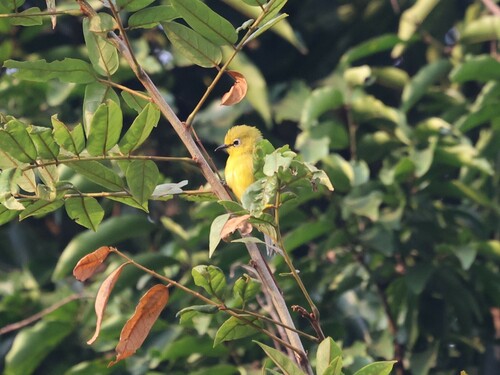 northern yellow white-eye
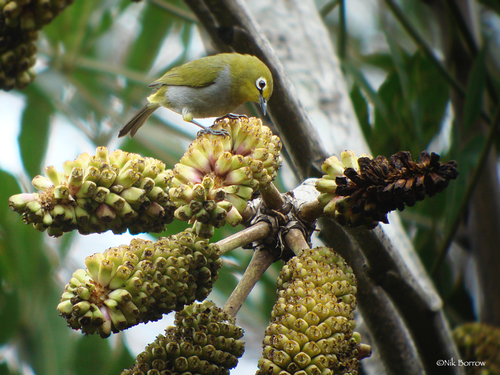 south pare white-eye
Em resumo
A maneira mais confiável de separar o northern yellow white-eye do south pare white-eye é pela faixa geográfica: o northern yellow white-eye é amplamente distribuído pela África subsaariana, enquanto o south pare white-eye é restrito às montanhas Pare do sul, no nordeste da Tanzânia. No campo, ambas as espécies são pequenas, aves amareladas com um anel ocular branco, mas o northern yellow white-eye é mais propenso a mostrar uma cabeça e partes inferiores amarelas mais brilhantes, uma faixa loreal preta e penas de voo marrons com bordas amarelo-oliva. A plumagem juvenil do northern yellow white-eye é mais escura, mas não há contrastes detalhados para os imaturos do south pare white-eye. Diferenças estruturais e comportamentais não são descritas nas fontes disponíveis, então a identificação depende principalmente da faixa e de sutis pistas de plumagem.
Dicas de identificação
- A faixa é a marca mais decisiva: o northern yellow white-eye é amplamente distribuído pela África subsaariana, enquanto o south pare white-eye é endêmico das montanhas Pare do sul na Tanzânia. Se você não está nesta área restrita, você está quase certamente vendo um northern yellow white-eye.
- Intensidade do amarelo: o northern yellow white-eye geralmente mostra uma cabeça e partes inferiores amarelas mais brilhantes, especialmente em habitats abertos ou de savana. O south pare white-eye pode parecer mais opaco ou mais oliva, mas isso não está bem documentado e pode se sobrepor em populações florestais do northern yellow white-eye.
- Faixa loreal preta: o northern yellow white-eye frequentemente mostra uma linha preta distinta entre o bico e o olho (faixa loreal), que é uma marca útil em boa luz. Não há informações sobre essa característica para o south pare white-eye, então sua ausência ou fraqueza poderia sugerir south pare, mas isso é incerto.
- Anel ocular branco: ambas as espécies têm um proeminente anel ocular branco, então essa característica não as separa.
- Penas de voo e cauda: o northern yellow white-eye tem penas de voo e cauda marrons com bordas amarelo-oliva. Isso pode ser menos pronunciado no south pare white-eye, mas comparações diretas estão faltando.
- Plumagem juvenil: a plumagem juvenil do northern yellow white-eye é mais escura no geral, mas ainda mostra o anel ocular branco. Não há informações sobre juvenis do south pare white-eye, então cautela é necessária com aves jovens.
- Características estruturais: não há diferenças confiáveis na forma do bico, comprimento das asas ou forma da cauda descritas entre essas duas espécies.
- Tamanho: ambas são pequenos white-eyes, e o tamanho não é um separador confiável.
- Contexto de habitat: se você está observando aves em habitats de planície ou savana fora das montanhas Pare do sul, você está quase certamente vendo um northern yellow white-eye. Na floresta montana nas montanhas Pare do sul, o south pare white-eye é a espécie esperada.
- Composição do bando: ambas as espécies podem se juntar a bandos de espécies mistas, mas não há diferenças conhecidas no comportamento de bando que ajudem na identificação.
- Estação e sexo: não há diferenças sazonais ou sexuais na plumagem descritas para nenhuma das espécies, então essas não são úteis para separação.
- Voz: não há diferenças vocais descritas nas fontes disponíveis, então chamados e canções não são atualmente úteis para separar essas duas espécies.
- Armadilhas de plumagem: algumas populações florestais do northern yellow white-eye são mais verdes, potencialmente se sobrepondo ao south pare white-eye. Use a faixa e a faixa loreal nesses casos.
- Quando em dúvida: se você estiver dentro das montanhas Pare do sul e ver um white-eye que não corresponde ao padrão amarelo brilhante e loreal preto do northern yellow white-eye, considere o south pare white-eye, mas esteja ciente da falta de descrições de campo detalhadas.
Tamanho
O northern yellow white-eye tem uma média de cerca de 8,1g de massa corporal e mede cerca de 11,5 cm de comprimento [wikidata]. Não há dados específicos de tamanho disponíveis para o south pare white-eye, mas como membro do mesmo gênero, é provável que seja semelhante em proporções gerais. O tamanho não é uma marca de campo confiável para separar essas duas espécies.
Plumagem
Para o northern yellow white-eye, os adultos mostram uma cabeça e partes inferiores amarelas brilhantes, um anel ocular branco proeminente, uma faixa loreal preta e penas de voo e cauda marrons com bordas amarelo-oliva. Algumas populações são mais verdes, especialmente em regiões florestais. Os juvenis são mais escuros no geral, mas ainda mostram o anel ocular branco. Nenhuma descrição detalhada da plumagem está disponível para o south pare white-eye, mas como uma antiga subespécie do Heuglin's (Montane) White-eye, pode mostrar um amarelo menos intenso e possivelmente mais tons oliva ou esverdeados, especialmente nas partes superiores. Sem descrições detalhadas, as melhores marcas de campo são a intensidade do amarelo e a presença de uma faixa loreal preta no northern yellow white-eye. Ambas as espécies têm um anel ocular branco, que não é diagnóstico entre elas.
Comportamento
Nenhuma diferença comportamental é descrita nas fontes disponíveis. Ambas as espécies são típicas de white-eyes, provavelmente ativas, sociais e forrageando em bandos, frequentemente no dossel ou nos níveis intermediários das árvores. O comportamento não é um separador útil nesta dupla com base nas informações atuais.
Habitat
O northern yellow white-eye ocupa uma ampla gama de habitats pela África subsaariana, desde savanas até bordas de florestas e jardins. O south pare white-eye é restrito às montanhas Pare do sul, no nordeste da Tanzânia, provavelmente favorecendo florestas montanas ou bosques. Assim, o habitat e especialmente a localização geográfica são as pistas contextuais mais úteis: se você estiver fora das montanhas Pare do sul, você está quase certamente vendo um northern yellow white-eye.
northern yellow white-eye · south pare white-eye · Minhas aves difíceis