

Motmot

キイロメジロ 対 サウスペアメジロ

Zosterops senegalensis 対 Zosterops winifredae

キイロメジロとサウスペアメジロのクイズ
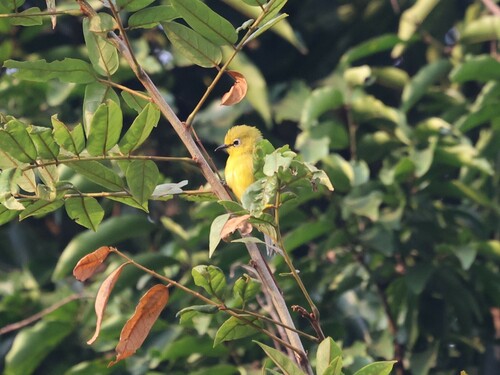
キイロメジロ (Zosterops senegalensis) キイロメジロ
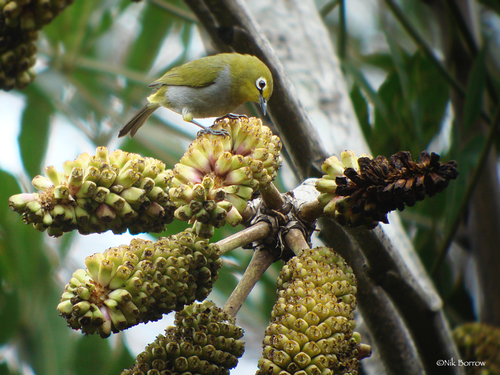
サウスペアメジロ (Zosterops winifredae) サウスペアメジロ

メディア

読み込み中…

要点

北キイロメジロとサウスペアメジロを区別する最も信頼できる方法は地理的範囲です。北キイロメジロはサハラ以南のアフリカ全域に広がっていますが、サウスペアメジロはタンザニア北東部の南パレ山脈に限定されています。現地では、両種は小さく、黄色がかった鳥で、白いアイリングがありますが、北キイロメジロはより明るい黄色の頭部と腹部、黒いロラルストライプ、黄色オリーブの縁取りがある茶色がかった飛翔羽を示す可能性が高いです。北キイロメジロの幼鳥の羽色はより暗いですが、サウスペアメジロの幼鳥に関する詳細な対比はありません。構造的および行動的な違いは利用可能な情報源には記載されていないため、識別は主に範囲と微妙な羽色の手がかりに依存します。

識別のコツ

  1. 範囲が最も決定的な特徴: 北キイロメジロはサハラ以南のアフリカ全域に広がっていますが、サウスペアメジロはタンザニアの南パレ山脈に特有です。この制限された地域にいない場合、ほぼ確実に北キイロメジロを見ていることになります。
  2. 黄色の強度: 北キイロメジロは通常、特に開けた場所やサバンナの生息地で、より明るい黄色の頭部と腹部を示します。サウスペアメジロはより鈍いまたはオリーブ色に見えることがありますが、これは十分に文書化されておらず、北キイロメジロの森林に生息する個体群と重なる可能性があります。
  3. 黒いロラルストライプ: 北キイロメジロはしばしばくちばしと目の間に明確な黒い線(ロラルストライプ)を示し、良い光の下で役立つ特徴です。この特徴に関する情報はサウスペアメジロにはないため、その欠如または弱さはサウスペアを示唆する可能性がありますが、これは不確かです。
  4. 白いアイリング: 両種は目立つ白いアイリングを持っているため、この特徴では区別できません。
  5. 飛翔羽と尾羽: 北キイロメジロは黄色オリーブの縁取りがある茶色の飛翔羽と尾羽を持っています。これはサウスペアメジロではあまり目立たないかもしれませんが、直接的な比較は不足しています。
  6. 幼鳥の羽色: 幼鳥の北キイロメジロは全体的に暗いですが、まだ白いアイリングを示します。サウスペアメジロの幼鳥に関する情報はないため、若い鳥には注意が必要です。
  7. 構造的特徴: これらの2種の間でくちばしの形、翼の長さ、または尾の形に関する信頼できる違いは記載されていません。
  8. サイズ: 両方とも小さなメジロであり、サイズは信頼できる区別要因ではありません。
  9. 生息地の文脈: もし南パレ山脈の外の低地やサバンナの生息地でバードウォッチングをしている場合、ほぼ確実に北キイロメジロを見ていることになります。南パレ山脈の山地森林では、サウスペアメジロが期待される種です。
  10. 群れの構成: 両種は混成種の群れに参加することがありますが、識別に役立つ群れ行動の違いは知られていません。
  11. 季節と性別: どちらの種についても季節的または性的な羽色の違いは記載されていないため、これらは区別には役立ちません。
  12. 声: 利用可能な情報源には声の違いは記載されていないため、呼び声や歌は現在、これらの2種を区別するのに役立ちません。
  13. 羽色の落とし穴: 北キイロメジロの一部の森林個体群はより緑がかっており、サウスペアメジロと重なる可能性があります。この場合は範囲とロラルストライプを使用してください。
  14. 疑問がある場合: もし南パレ山脈の中にいて、北キイロメジロの明るい黄色と黒いロラルパターンに合わない白目を見た場合、サウスペアメジロを考慮してくださいが、詳細なフィールド記述が不足していることに注意してください。

大きさ

北キイロメジロは体重が約8.1g、全長が約11.5cmです [wikidata]。サウスペアメジロの特定のサイズデータはありませんが、同じ属のメンバーとして、全体的な比率は似ている可能性があります。サイズはこれらの2種を区別するための信頼できるフィールドマークではありません。

羽色

北キイロメジロの成鳥は明るい黄色の頭部と腹部、目立つ白いアイリング、黒いロラルストライプ、黄色オリーブの縁取りがある茶色がかった飛翔羽と尾羽を示します。一部の個体群は特に森林地域でより緑がかっています。幼鳥は全体的に暗いですが、まだ白いアイリングを示します。サウスペアメジロに関する詳細な羽色の説明はありませんが、かつてのヒューグリンの(山地)メジロの亜種として、より強い黄色が少なく、特に上面でよりオリーブ色または緑がかったトーンを示す可能性があります。詳細な説明がないため、北キイロメジロの黄色の強度と黒いロラルストライプの存在が最良のフィールドマークです。両種は白いアイリングを持っており、これは彼らの間で診断的ではありません。

行動

利用可能な情報源には行動の違いは記載されていません。両種は典型的なメジロであり、活発で社交的で、しばしば樹冠や中層で群れを成して採餌する可能性があります。現在の情報に基づいて、このペアの行動は有用な区別要因ではありません。

生息環境

北キイロメジロはサハラ以南のアフリカ全域で、サバンナから森林の縁や庭まで幅広い生息地を占めています。サウスペアメジロはタンザニア北東部の南パレ山脈に限定されており、山地森林や森林を好む可能性があります。したがって、生息地、特に地理的位置が最も有用な文脈手がかりです:もし南パレ山脈の外にいる場合、ほぼ確実に北キイロメジロを見ていることになります。

より良い説明を送る

比較と同じ項目を使ってください。文章はすぐに公開されます。

The most reliable way to separate Northern Yellow White-eye from South Pare White-eye is by geographic range: Northern Yellow White-eye is widespread across sub-Saharan Africa, while South Pare White-eye is restricted to the southern Pare Mountains of northeastern Tanzania. In the field, both species are small, yellowish birds with a white eye-ring, but the Northern Yellow White-eye is more likely to show a brighter yellow head and underparts, a black loral stripe, and brownish flight feathers edged yellow-olive. Juvenile plumage in Northern Yellow White-eye is darker, but there are no detailed contrasts for South Pare White-eye immatures. Structural and behavioral differences are not described in the available sources, so identification relies mainly on range and subtle plumage cues.

  1. Range is the most decisive mark: Northern Yellow White-eye is widespread across sub-Saharan Africa, while South Pare White-eye is endemic to the southern Pare Mountains in Tanzania. If you are not in this restricted area, you are almost certainly seeing Northern Yellow White-eye.
  2. Yellow intensity: Northern Yellow White-eye typically shows a brighter yellow head and underparts, especially in open or savanna habitats. South Pare White-eye may appear duller or more olive, but this is not well documented and may overlap in forested populations of Northern Yellow White-eye.
  3. Black loral stripe: Northern Yellow White-eye often shows a distinct black line between the bill and eye (loral stripe), which is a helpful mark in good light. There is no information on this feature for South Pare White-eye, so its absence or weakness could suggest South Pare, but this is uncertain.
  4. White eye-ring: Both species have a prominent white eye-ring, so this feature does not separate them.
  5. Flight and tail feathers: Northern Yellow White-eye has brown flight and tail feathers edged with yellowish olive. This may be less pronounced in South Pare White-eye, but direct comparisons are lacking.
  6. Juvenile plumage: Juvenile Northern Yellow White-eye is darker overall but still shows the white eye-ring. There is no information on South Pare White-eye juveniles, so caution is needed with young birds.
  7. Structural features: No reliable differences in bill shape, wing length, or tail shape are described between these two species.
  8. Size: Both are small white-eyes, and size is not a reliable separator.
  9. Habitat context: If you are birding in lowland or savanna habitats outside the southern Pare Mountains, you are almost certainly seeing Northern Yellow White-eye. In montane forest in the southern Pare Mountains, South Pare White-eye is the expected species.
  10. Flock composition: Both species may join mixed-species flocks, but there are no known differences in flocking behavior that help with identification.
  11. Season and sex: No seasonal or sexual plumage differences are described for either species, so these are not useful for separation.
  12. Voice: No vocal differences are described in the available sources, so calls and songs are not currently helpful for separating these two species.
  13. Plumage pitfalls: Some forest populations of Northern Yellow White-eye are greener, potentially overlapping with South Pare White-eye. Use range and loral stripe in these cases.
  14. When in doubt: If you are within the southern Pare Mountains and see a white-eye that does not match the bright yellow, black-lored pattern of Northern Yellow White-eye, consider South Pare White-eye, but be aware of the lack of detailed field descriptions.

Northern Yellow White-eye averages about 8.1g in body mass and measures around 11.5 cm in length [wikidata]. No specific size data is available for South Pare White-eye, but as a member of the same genus, it is likely similar in overall proportions. Size is not a reliable field mark for separating these two species.

For Northern Yellow White-eye, adults show a bright yellow head and underparts, a prominent white eye-ring, a black loral stripe, and brownish flight and tail feathers edged with yellowish olive. Some populations are greener, especially in forested regions. Juveniles are darker overall, but still show the white eye-ring. No detailed plumage description is available for South Pare White-eye, but as a former subspecies of Heuglin's (Montane) White-eye, it may show less intense yellow and possibly more olive or greenish tones, especially on the upperparts. Without detailed descriptions, the best field marks are the intensity of yellow and the presence of a black loral stripe in Northern Yellow White-eye. Both species have a white eye-ring, which is not diagnostic between them.

No behavioral differences are described in the available sources. Both species are typical white-eyes, likely to be active, social, and foraging in flocks, often in the canopy or mid-levels of trees. Behavior is not a useful separator in this pair based on current information.

Northern Yellow White-eye occupies a wide range of habitats across sub-Saharan Africa, from savanna to forest edges and gardens. South Pare White-eye is restricted to the southern Pare Mountains in northeastern Tanzania, likely favoring montane forest or woodland. Thus, habitat and especially geographic location are the most useful context clues: if you are outside the southern Pare Mountains, you are almost certainly seeing Northern Yellow White-eye.

変更を破棄しますか?

保存していない編集があります。今離れると失われます。

キイロメジロ · サウスペアメジロ · 苦手な鳥