

abibe vs tordo-pinto
Vanellus vanellus versus Turdus philomelos
Jogue um quiz com abibe e tordo-pinto
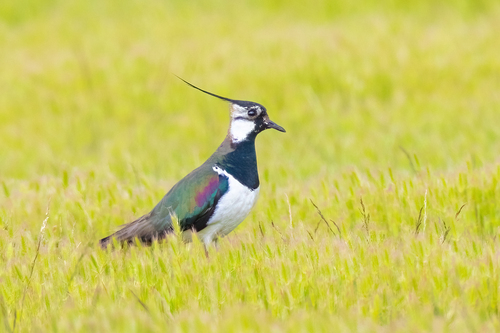 abibe
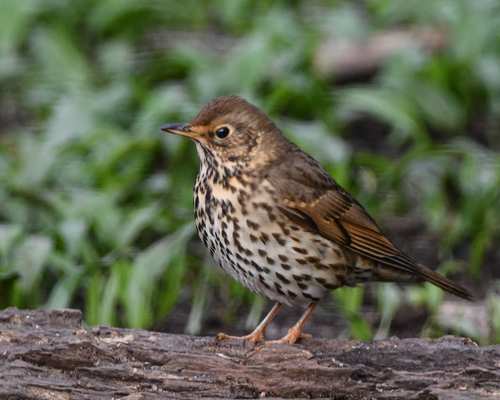 tordo-pinto
Em resumo
Abibe e tordo-pinto são espécies improváveis de confusão na maioria dos contextos, mas vistas distantes ou breves—especialmente de juvenis ou aves em voo—podem causar confusões. A separação mais confiável é estrutural: abibes são limícolas de asas largas com uma longa crista e asas arredondadas, enquanto tordos-pintos são pássaros cantores compactos e eretos com partes superiores marrons simples e partes inferiores manchadas. Abibes juvenis e tordos-pintos mostram algumas estrias, mas abibes têm um brilho esverdeado e um rosto branco, enquanto tordos-pintos são sempre marrons acima e nunca têm crista. Em voo, abibes mostram padrões de asas preto e branco marcantes e batidas de asas lentas e flácidas, ao contrário do voo direto e saltitante dos tordos-pintos. A voz, o habitat e a aparência geral também são pistas fortes.
Dicas de identificação
- Cabeça com crista (todas as idades): Abibes têm uma crista proeminente e esvoaçante (mais longa nos machos), nunca mostrada por tordos-pintos.
- Formato da asa em voo: Abibes têm asas largas e arredondadas com um padrão preto e branco marcante; tordos-pintos têm asas mais estreitas e pontudas, sem contraste forte, e mostram uma parte inferior amarela.
- Brilho da plumagem: As partes superiores do abibe são esverdeadas e iridescentes, especialmente em boa luz; tordos-pintos são sempre marrons simples acima.
- Padrão facial: Abibes têm um rosto branco com uma coroa e garganta pretas (especialmente os machos); tordos-pintos têm um rosto simples, sem contraste forte ou crista.
- Partes inferiores: Tordos-pintos mostram manchas pretas organizadas em partes inferiores creme ou buff; abibes têm principalmente partes inferiores brancas com um peito e garganta pretos (nos machos), nunca manchados.
- Estilo de voo: Abibes voam com batidas de asas lentas e flácidas, semelhantes a borboletas, e realizam voos de exibição acrobáticos; tordos-pintos voam diretamente, às vezes saltitando, e nunca exibem acrobacias.
- Comprimento das pernas: Abibes têm pernas relativamente curtas para um limícola, mas ainda mais longas que as de um tordo-pinto; tordos-pintos têm pernas rosas de comprimento típico de passeriformes.
- Formato do bico: Abibes têm um bico curto e reto; tordos-pintos têm um bico mais longo, ligeiramente curvado para baixo, de cor amarelada.
- Confusão juvenil: Abibes juvenis podem ter marcas de cabeça menos distintas, mas ainda mostram uma crista e brilho esverdeado; tordos-pintos juvenis têm estrias extras nas costas e coberturas, mas são sempre marrons acima e nunca têm crista.
- Contexto de habitat: Abibes são encontrados em campos abertos e úmidos e terras agrícolas; tordos-pintos preferem jardins, cercas vivas e bordas de florestas.
- Pistas vocais: O chamado do abibe, 'pee-wit', é único e alto; tordos-pintos cantam frases musicais ricas e repetidas e chamam com notas curtas de 'tsip' ou 'chook-chook.'
- Tamanho do grupo: Abibes frequentemente formam bandos, especialmente fora da temporada de reprodução; tordos-pintos geralmente são solitários ou em pequenos grupos.
- Contexto sazonal: Abibes são mais prováveis em campos abertos em bandos de inverno; tordos-pintos são residentes durante todo o ano, mas mais vocais na primavera.
- Comportamento de exibição: Apenas abibes realizam exibições acrobáticas aéreas; tordos-pintos cantam de poleiros.
- Asa superior em voo (todas as idades): O abibe mostra um contraste preto e branco marcante; o tordo-pinto mostra uma asa superior marrom simples com uma parte inferior amarela.
Tamanho
Abibe é notavelmente maior e mais pesado que o tordo-pinto. Enquanto o abibe mede 28–33 cm de comprimento e é mais robusto (massa corporal de 128–330 g), o tordo-pinto é menor, medindo 20–23,5 cm e mais leve (massa corporal de 72 g). No campo, abibes parecem muito maiores, com asas mais longas e uma construção mais robusta, especialmente quando vistos lado a lado ou com espécies familiares para escala.
Plumagem
- Aves juvenis/imaturas: Abibes juvenis se assemelham aos adultos, mas com cristas mais curtas e marcas de cabeça menos distintas; suas partes superiores têm um brilho esverdeado e o rosto é branco, com uma coroa e garganta escuras nos machos. Tordos-pintos juvenis parecem adultos, mas têm estrias buff ou laranja nas costas e coberturas de asas, e sempre carecem de tons verdes ou iridescentes. Ambos têm algumas estrias, mas abibes são marcadamente padronizados em preto e branco, enquanto tordos-pintos são marrons acima e fortemente manchados abaixo.
- Adultos: Abibes adultos são marcadamente preto e branco com um dorso esverdeado e uma crista proeminente; os machos têm uma crista mais longa e uma cabeça mais distintamente marcada. Tordos-pintos são marrons simples acima, com partes inferiores creme ou buff cobertas de manchas pretas organizadas, e uma parte inferior amarela quente visível em voo. Abibes têm asas arredondadas com um padrão preto e branco marcante em voo, enquanto tordos-pintos mostram asas superiores marrons uniformes e uma parte inferior amarelada.
- Voo: Abibes exibem um padrão de asas preto e branco dramático e de alto contraste e asas arredondadas em voo; tordos-pintos não mostram tal contraste, com asas superiores marrons e uma parte inferior amarela.
Comportamento
Abibes são frequentemente vistos em campos abertos, pântanos ou bancos de lama, caminhando lentamente ou realizando voos de exibição acrobáticos com batidas de asas flácidas e semelhantes a borboletas. Eles podem se reunir em bandos, especialmente fora da temporada de reprodução. Tordos-pintos são mais solitários ou em pequenos grupos, forrageando no chão em jardins, bordas de florestas ou cercas vivas com um andar saltitante. Em voo, tordos-pintos são diretos e determinados, às vezes saltitando entre poleiros, e nunca exibem o voo errático e acrobático dos abibes.
Habitat
Abibe prefere áreas abertas: prados úmidos, pastagens, terras agrícolas e bancos de lama, raramente aventurando-se em florestas ou coberturas densas. Tordo-pinto é uma espécie clássica de borda de floresta e jardim, encontrada em parques, cercas vivas e, às vezes, em terrenos abertos, mas sempre perto de cobertura. Se você ver uma ave em um campo aberto e úmido, é muito mais provável que seja um abibe; em um jardim arbustivo ou floresta, espere encontrar um tordo-pinto.
Voz
Os chamados do abibe são altos, estridentes e distintos: o clássico 'pee-wit' ou 'peewit' é diagnóstico, especialmente em exibições. Tordos-pintos têm uma canção musical rica, com frases repetidas, e seus chamados são notas curtas de 'tsip' ou 'chook-chook'. Se você ouvir uma canção musical repetida de uma copa de árvore, é um tordo; se você ouvir um 'pee-wit' agudo e nasal sobre campos abertos, é um abibe.