

Pavoncella vs Tordo bottaccio
Vanellus vanellus contro Turdus philomelos
Fai un quiz con Pavoncella e Tordo bottaccio
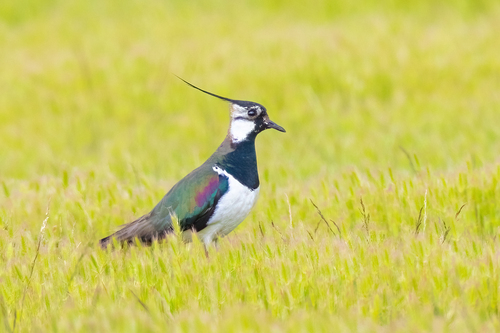 Pavoncella
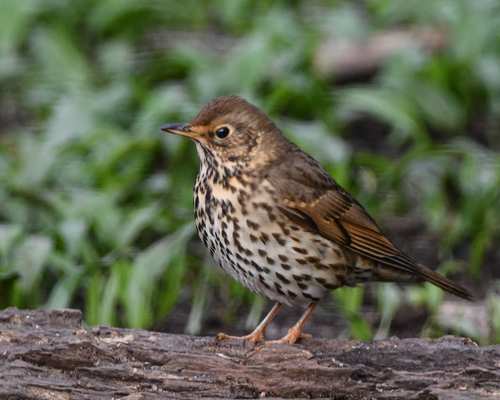 Tordo bottaccio
In breve
Pavoncella e Tordo bottaccio sono specie di confusione improbabile nella maggior parte dei contesti, ma viste distanti o brevi—specialmente di giovanili o uccelli in volo—possono causare confusione. La separazione più affidabile è strutturale: le pavoncelle sono waders a ali larghe con una lunga cresta e ali arrotondate, mentre i tordi bottacci sono uccelli canori compatti e eretti con parti superiori marroni semplici e parti inferiori macchiate. Le pavoncelle giovanili e i tordi mostrano entrambi alcune striature, ma le pavoncelle hanno una lucentezza verdognola e un volto bianco, mentre i tordi sono sempre marroni sopra e mai crestati. In volo, le pavoncelle mostrano schemi di ali bianchi e neri sorprendenti e battiti d'ali lenti e flosci, a differenza del volo diretto e saltellante dei tordi. Voce, habitat e jizz sono anche indizi forti.
Consigli di identificazione
- Cresta prominente (tutte le età): Le pavoncelle hanno una cresta prominente e filiforme (la più lunga nei maschi), mai mostrata dai tordi bottacci.
- Forma dell'ala in volo: Le pavoncelle hanno ali larghe e arrotondate con un sorprendente schema bianco e nero; i tordi hanno ali più strette e appuntite senza un forte contrasto e mostrano un sottocoda giallo.
- Lucentezza del piumaggio: Le parti superiori delle pavoncelle sono verdognole e iridescenti, specialmente in buona luce; i tordi bottacci sono sempre marroni semplici sopra.
- Schema facciale: Le pavoncelle hanno un volto bianco con una corona e una gola nere (specialmente nei maschi); i tordi bottacci hanno un volto semplice senza forte contrasto o cresta.
- Parti inferiori: I tordi bottacci mostrano macchie nere ordinate su parti inferiori color crema o buff; le pavoncelle hanno principalmente parti inferiori bianche con un petto e una gola neri (nei maschi), mai macchiati.
- Stile di volo: Le pavoncelle volano con battiti d'ali lenti e flosci, simili a quelli di una farfalla, e eseguono voli di esibizione acrobatici; i tordi volano direttamente, a volte saltellando, e non mostrano mai acrobazie.
- Lunghezza delle gambe: Le pavoncelle hanno gambe relativamente corte per un wader, ma comunque più lunghe di quelle di un tordo; i tordi bottacci hanno gambe rosa di lunghezza tipica per passeriformi.
- Forma del becco: Le pavoncelle hanno un becco corto e dritto; i tordi bottacci hanno un becco più lungo, leggermente ricurvo, di colore giallastro.
- Confusione giovanile: Le pavoncelle giovanili possono avere marcature della testa meno distinte ma mostrano comunque una cresta e una lucentezza verdognola; i tordi bottacci giovanili hanno striature extra sulla schiena e sulle copritrici ma sono sempre marroni sopra e mai crestati.
- Contesto dell'habitat: Le pavoncelle si trovano in campi aperti e umidi e terreni agricoli; i tordi bottacci preferiscono giardini, siepi e bordi di boschi.
- Indizi vocali: Il richiamo della pavoncella 'pee-wit' è unico e forte; i tordi bottacci cantano frasi musicali ricche e ripetute e chiamano con note 'tsip' o 'chook-chook.'
- Dimensione del gruppo: Le pavoncelle spesso formano stormi, specialmente al di fuori della stagione riproduttiva; i tordi bottacci sono solitamente solitari o in piccoli gruppi.
- Contesto stagionale: Le pavoncelle sono più probabili nei campi aperti in stormi invernali; i tordi bottacci sono residenti tutto l'anno ma più vocali in primavera.
- Comportamento di esibizione: Solo le pavoncelle eseguono esibizioni aeree acrobatiche; i tordi cantano da posatoi.
- Ala superiore in volo (tutte le età): La pavoncella mostra un forte contrasto bianco e nero; il tordo bottaccio mostra un'ala superiore marrone semplice con un sottocoda giallo.
Taglia
Pavoncella è notevolmente più grande e pesante di Tordo bottaccio. Mentre la pavoncella misura 28–33 cm di lunghezza ed è più robusta (massa corporea 128–330 g), il tordo bottaccio è più piccolo a 20–23.5 cm e più leggero (massa corporea 72 g). Sul campo, le pavoncelle appaiono molto più grandi, con ali più lunghe e una corporatura più robusta, specialmente quando viste affiancate o con specie familiari per scala.
Piumaggio
- Uccelli giovanili/immaturi: Le pavoncelle giovanili assomigliano agli adulti ma con creste più corte e marcature della testa meno distinte; le loro parti superiori hanno una lucentezza verdognola e il volto è bianco, con una corona e una gola nerastre nei maschi. I tordi bottacci giovanili assomigliano agli adulti ma hanno striature color buff o arancione sulla schiena e sulle copritrici delle ali, e mancano sempre di toni verdi o iridescenti. Entrambi hanno alcune striature, ma le pavoncelle sono audacemente decorate con bianco e nero, mentre i tordi sono marroni sopra e pesantemente macchiati sotto.
- Adulti: Le pavoncelle adulte sono audacemente bianche e nere con un dorso verdognolo e una cresta prominente; i maschi hanno una cresta più lunga e una testa più marcata. I tordi bottacci sono marroni semplici sopra, con parti inferiori color crema o buff coperte di macchie nere ordinate, e un sottocoda giallo caldo visibile in volo. Le pavoncelle hanno ali arrotondate con un sorprendente schema bianco e nero in volo, mentre i tordi mostrano ali superiori marroni uniformi e un sottocoda giallastro.
- Volo: Le pavoncelle mostrano un drammatico schema di ali bianche e nere ad alto contrasto e ali arrotondate in volo; i tordi non mostrano tale contrasto, con ali superiori marroni e un sottocoda giallo.
Comportamento
Le pavoncelle sono spesso viste in campi aperti, paludi o fanghi, camminando lentamente o eseguendo voli di esibizione acrobatici con battiti d'ali flosci e simili a quelli di una farfalla. Possono radunarsi in stormi, specialmente al di fuori della stagione riproduttiva. I tordi bottacci sono più solitari o in piccoli gruppi, cercando cibo a terra in giardini, bordi di boschi o siepi con un passo saltellante. In volo, i tordi sono diretti e determinati, a volte saltellando tra i posatoi, e non mostrano mai il volo erratico e acrobatico delle pavoncelle.
Habitat
Pavoncella preferisce il paese aperto: prati umidi, pascoli, terreni agricoli e fanghi, raramente avventurandosi in boschi o coperture dense. Tordo bottaccio è una specie classica di bordo di bosco e giardino, trovata in parchi, siepi e talvolta in terreni aperti ma sempre vicino a copertura. Se vedi un uccello in un campo aperto e umido, è molto più probabile che sia una pavoncella; in un giardino cespuglioso o in un bosco, aspettati un tordo bottaccio.
Voce
I richiami della pavoncella sono forti, acuti e distintivi: il classico 'pee-wit' o 'peewit' è diagnostico, specialmente in esibizione. I tordi bottacci hanno un canto musicale ricco, con frasi ripetute, e i loro richiami sono note brevi 'tsip' o 'chook-chook'. Se senti un canto musicale ripetuto da una cima d'albero, è un tordo; se senti un 'pee-wit' acuto e nasale su campi aperti, è una pavoncella.