

abibe vs combatente
Vanellus vanellus versus Calidris pugnax
Jogue um quiz com abibe e combatente
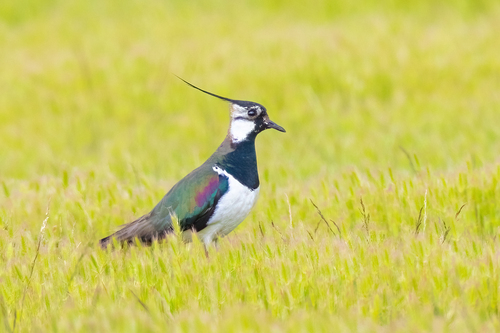 abibe
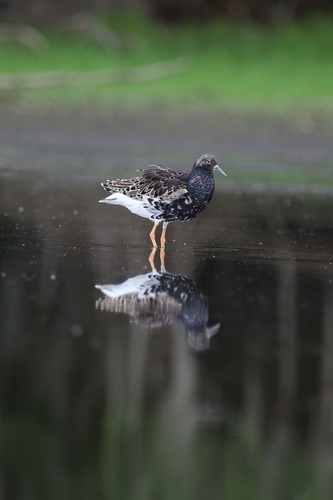 combatente
Em resumo
A marca de campo mais confiável para separar abibe de combatente é o padrão marcante de asas pretas e brancas do abibe e suas asas arredondadas em voo, em contraste com as partes superiores mais discretas e acastanhadas do combatente, que possui uma fina barra branca indistinta e ovais brancos nas laterais da cauda. O combatente juvenil e não reprodutor pode ser especialmente confuso, mas o contraste ousado do abibe e sua longa crista esvoaçante (mesmo em aves jovens) são únicos. Estruturalmente, o abibe é mais robusto, com pernas mais curtas e uma forma de asa mais arredondada e larga, enquanto o combatente tem pescoço mais longo, corpo mais volumoso e pernas mais longas. A voz e o comportamento também diferem, mas a melhor separação é pelo padrão das asas e jizz, especialmente em voo.
Dicas de identificação
- Padrão das asas em voo (todas as idades): O abibe apresenta um padrão ousado de asas pretas e brancas com asas arredondadas; o combatente tem uma asa acastanhada simples com apenas uma fina barra branca indistinta e ovais brancos nas laterais da cauda.
- Crista: O abibe sempre tem uma crista, longa e esvoaçante nos machos, mais curta nas fêmeas e jovens; o combatente nunca apresenta crista.
- Forma do corpo: O abibe é robusto, de pernas curtas e asas largas; o combatente é volumoso, de pescoço longo e pernas longas, com uma cabeça pequena e uma construção mais esbelta.
- Cor das pernas: O abibe tem pernas escuras; as pernas do combatente são variáveis—verde-escuras em juvenis, rosa a laranja em adultos (às vezes avermelhadas em machos em reprodução).
- Padrão do rosto e cabeça: O abibe tem um rosto marcante em preto e branco com uma coroa e garganta pretas (especialmente nos machos); o combatente tem um rosto simples, sem forte contraste.
- Cor das costas: As costas do abibe são verde-escuras com um brilho metálico; o combatente é acinzentado a marrom por cima, às vezes com penas de bordas brancas e centros escuros na plumagem de reprodução (fêmea).
- Partes inferiores: O abibe tem uma barriga branca limpa; as partes inferiores do combatente são variavelmente manchadas ou com tom amarelado, especialmente em juvenis.
- Padrão da cauda em voo: A cauda do abibe é branca com uma faixa terminal preta; o combatente apresenta ovais brancos nas laterais da cauda, mas não uma faixa terminal.
- Estilo de voo: O abibe tem batidas de asas lentas, flácidas e arredondadas e voos de exibição erráticos e acrobáticos; o combatente voa com batidas de asas mais profundas e lentas do que outros limícolas, mas não tão exageradas quanto as do abibe.
- Vocalização: O abibe é barulhento, com um chamado distintivo de "pee-wit"; o combatente é geralmente silencioso.
- Habitat: O abibe é mais provável de ser encontrado em campos abertos e pastagens ásperas, às vezes longe da água; o combatente prefere prados úmidos, pântanos e costuma estar em grandes bandos mistos.
- Confusão sazonal: No outono e inverno, ambas as espécies são mais apagadas, mas o padrão ousado e a crista do abibe permanecem diagnósticos; o juvenil do combatente pode parecer escamoso por cima e amarelado por baixo, mas nunca apresenta os fortes contrastes do abibe.
- Dimorfismo sexual: Apenas o macho do combatente na plumagem de reprodução apresenta cristas e tufos ornamentais, mas isso raramente é confundido com o abibe; a fêmea do combatente é sempre simples.
- Bandos mistos: Se você ver um grande bando apertado de limícolas de tamanho semelhante em habitat úmido, suspeite do combatente; os bandos de abibes são mais soltos e frequentemente em campos mais secos.
- Quando em dúvida: Foque na presença ou ausência de uma crista, no padrão das asas em voo e no jizz geral—o visual ousado, arredondado e com crista do abibe é único entre os limícolas europeus.
Tamanho
O abibe é geralmente maior e mais pesado que o combatente, com um comprimento de 28–33 cm e uma envergadura de 67–87 cm, em comparação com a fêmea do combatente, que mede 22–26 cm e tem uma envergadura de 46–49 cm. O combatente adulto (fêmea) pesa cerca de 136 g, mas o abibe pode ser mais pesado (128–330 g). O combatente parece mais esbelto e de pernas longas, enquanto o abibe é mais robusto, com um aspecto mais compacto e pernas mais curtas. No campo, o tamanho e o volume do abibe são notáveis, especialmente quando ambas as espécies estão juntas.
Plumagem
- Juvenil/Primeiro inverno: O abibe apresenta um padrão ousado de asas pretas e brancas em voo em todas as idades, com um brilho esverdeado nas costas e uma barriga branca. Os jovens abibes têm uma crista mais curta e marcas de cabeça menos distintas, mas mantêm o forte contraste. O juvenil do combatente tem um padrão limpo e escamoso nas partes superiores com centros de penas escuras e um tom amarelado por baixo, mas não possui nenhum padrão de asas ousado; em voo, o combatente apresenta uma fina barra branca indistinta e ovais brancos nas laterais da cauda, nunca o contraste dramático do abibe.
- Adulto em reprodução: O macho do abibe tem uma longa crista esvoaçante, coroa preta, garganta e peito, e costas verde-escuras. A fêmea do abibe é semelhante, mas com uma crista mais curta e um padrão de cabeça menos distinto. Os machos do combatente na plumagem de reprodução são altamente variáveis, com cristas e tufos ornamentais (não presentes no abibe), mas isso raramente é confundido no campo. A fêmea do combatente na plumagem de reprodução é acinzentada a marrom simples por cima, com penas de bordas brancas e centros escuros e manchas pretas variáveis no peito/flancos—nunca tão contrastantes quanto o abibe.
- Não reprodutor: Tanto o abibe quanto o combatente tornam-se mais apagados, mas o abibe ainda apresenta uma barriga branca e um padrão ousado de asas. O combatente (ambos os sexos) é mais simples, com um aspecto volumoso e sem fortes contrastes. A cor das pernas pode ajudar: o abibe tem pernas escuras, enquanto as do combatente são variáveis (verde-escuras em juvenis, rosa a laranja em adultos).
Comportamento
O abibe é frequentemente visto sozinho ou em bandos soltos, especialmente em campos abertos, exibindo com batidas de asas lentas, flácidas e arredondadas e voos acrobáticos. O combatente é altamente gregário, formando grandes bandos, especialmente durante a migração e o inverno, e tem uma batida de asas mais profunda e lenta do que outros limícolas, mas não tão exagerada quanto a do abibe. O combatente se alimenta ativamente, sondando em prados úmidos ou pântanos, enquanto o abibe frequentemente fica em pé, escaneando em busca de presas. O macho do abibe em exibição é barulhento e errático em voo, enquanto os machos do combatente se exibem em leks, mas isso raramente é observado fora das áreas de reprodução.
Habitat
Ambas as espécies podem se sobrepor em prados úmidos e pântanos, mas o abibe é mais provável de ser encontrado em campos abertos, pastagens ásperas e terras agrícolas, especialmente na Eurosibéria temperada. O combatente prefere habitats mais úmidos, especialmente durante a migração e o inverno, e é mais provável que esteja em grandes bandos mistos de limícolas. O abibe é mais provável de ser visto em campos secos e abertos, longe da água, enquanto o combatente permanece mais próximo das bordas dos pântanos e pastagens úmidas.
Voz
O abibe é muito vocal, especialmente na época de reprodução, com um chamado alto e estridente de "pee-wit" ou "peewit", e um "pee-wit, wit wit, eeze wit" ofegante em voo de exibição. O combatente é geralmente silencioso e não tem um chamado distintivo e que se propaga como o do abibe. Se você ouvir um persistente "pee-wit" em habitat adequado, é quase certamente um abibe.