

Pavoncella vs Combattente
Vanellus vanellus contro Calidris pugnax
Fai un quiz con Pavoncella e Combattente
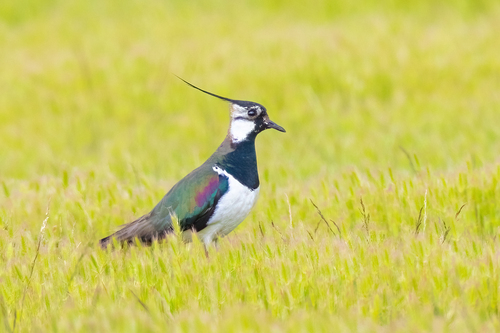 Pavoncella
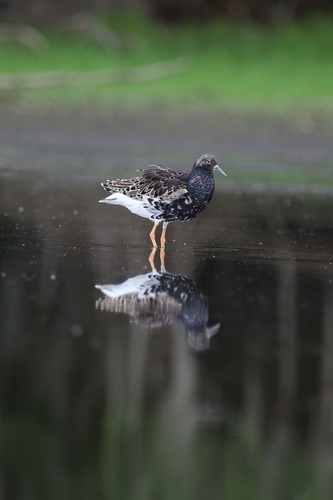 Combattente
In breve
Il segno di campo più affidabile per separare la Pavoncella dal Combattente è il pattern delle ali superiori in bianco e nero della pavoncella e le ali arrotondate in volo, rispetto alle parti superiori più sobrie e marroni del Combattente con una sottile barra bianca indistinta e ovali bianchi ai lati della coda. Il Combattente giovanile e non in riproduzione può essere particolarmente confuso, ma il forte contrasto della Pavoncella e la lunga cresta sottile (anche nei giovani) sono unici. Strutturalmente, la Pavoncella è più robusta con gambe più corte e una forma delle ali più arrotondata e larga, mentre il Combattente ha un collo più lungo, una pancia prominente e gambe più lunghe. La voce e il comportamento differiscono anche, ma la migliore separazione avviene tramite il pattern delle ali e l'aspetto generale, specialmente in volo.
Consigli di identificazione
- Pattern delle ali superiori in volo (tutte le età): La Pavoncella mostra un audace pattern in bianco e nero con ali arrotondate; il Combattente ha un'ala marrone semplice con solo una sottile barra bianca indistinta e ovali bianchi ai lati della coda.
- Cresta: La Pavoncella ha sempre una cresta, lunga e sottile nei maschi, più corta nelle femmine e nei giovani; il Combattente non mostra mai una cresta.
- Forma del corpo: La Pavoncella è robusta, con gambe corte e ali larghe; il Combattente ha una pancia prominente, un collo lungo e gambe lunghe, con una testa piccola e una costruzione più snella.
- Colore delle gambe: La Pavoncella ha gambe scure; le gambe del Combattente sono variabili—verdi scure nei giovanili, rosa o arancioni negli adulti (a volte rossastre nei maschi in riproduzione).
- Pattern del viso e della testa: La Pavoncella ha un viso in bianco e nero molto evidente con una corona e una gola nere (soprattutto nei maschi); il Combattente ha un viso semplice, senza forti contrasti.
- Colore della schiena: La schiena della Pavoncella è nero-verde con una lucentezza metallica; il Combattente è grigio-marrone sopra, a volte con piume scure al centro e bordi bianchi in abito nuziale (femmina).
- Parti inferiori: La Pavoncella ha una pancia bianca pulita; le parti inferiori del Combattente sono variabilmente macchiate o con toni beige, specialmente nei giovanili.
- Pattern della coda in volo: La coda della Pavoncella è bianca con una banda terminale nera; il Combattente mostra ovali bianchi ai lati della coda ma non una banda terminale.
- Stile di volo: La Pavoncella ha battiti d'ali lenti, flosci e arrotondati e voli acrobatici irregolari; il Combattente vola con battiti d'ali più profondi e lenti rispetto ad altri trampolieri, ma non così esagerati come la Pavoncella.
- Vocalizzazione: La Pavoncella è rumorosa, con un distintivo richiamo "pee-wit"; il Combattente è generalmente silenzioso.
- Habitat: La Pavoncella è più probabile trovarla in campi aperti e praterie ruvide, a volte lontano dall'acqua; il Combattente preferisce prati umidi, paludi ed è spesso in grandi stormi misti.
- Confusione stagionale: In autunno e inverno, entrambe le specie sono più spente, ma il pattern audace e la cresta della Pavoncella rimangono diagnostici; il giovanile Combattente può apparire squamoso sopra e beige sotto ma non mostra mai i forti contrasti della Pavoncella.
- Dimorfismo sessuale: Solo il maschio del Combattente in abito nuziale mostra collari e ciuffi ornamentali, ma questo è raramente confuso con la Pavoncella; la femmina del Combattente è sempre semplice.
- Stormi misti: Se vedi un grande stormo compatto di trampolieri di dimensioni simili in habitat umido, sospetta il Combattente; gli stormi di Pavoncella sono più sciolti e spesso in campi più secchi.
- Quando hai dubbi: Concentrati sulla presenza o assenza di una cresta, sul pattern delle ali superiori in volo e sull'aspetto generale—l'aspetto audace, arrotondato e cresta della Pavoncella è unico tra i trampolieri europei.
Taglia
La Pavoncella è generalmente più grande e pesante del Combattente, con una lunghezza di 28–33 cm e un'apertura alare di 67–87 cm, rispetto alla femmina del Combattente che misura 22–26 cm e ha un'apertura alare di 46–49 cm. Il Combattente adulto (femmina) pesa circa 136 g, ma la Pavoncella può essere più pesante (128–330 g). Il Combattente appare più snello e con gambe lunghe, mentre la Pavoncella è più robusta, con un aspetto più compatto e gambe più corte. Sul campo, le dimensioni e la massa della Pavoncella sono evidenti, specialmente quando entrambe le specie sono insieme.
Piumaggio
- Giovanile/Primo inverno: La Pavoncella mostra un audace pattern in bianco e nero in volo a tutte le età, con una lucentezza verde sulla schiena e una pancia bianca. I giovani Pavoncella hanno una cresta più corta e segni della testa meno distinti ma mantengono il forte contrasto. Il giovanile Combattente ha un pattern ordinato e squamoso sulle parti superiori con centri di piume scure e un tono beige sotto, ma manca di un qualsiasi audace pattern delle ali; in volo, il Combattente mostra una sottile barra bianca indistinta e ovali bianchi ai lati della coda, mai il drammatico contrasto della Pavoncella.
- Riproduzione adulta: Il maschio della Pavoncella ha una lunga cresta sottile, corona nera, gola e petto, e una schiena nero-verde. La femmina della Pavoncella è simile ma con una cresta più corta e un pattern della testa meno distintivo. I maschi del Combattente in abito nuziale sono altamente variabili, con collari e ciuffi ornamentali (non presenti nella Pavoncella), ma questo è raramente confuso sul campo. La femmina del Combattente in abito nuziale è grigio-marrone semplice sopra con piume scure al centro e bordi bianchi e macchie nere variabili su petto/fianchi—mai così contrastanti come la Pavoncella.
- Non in riproduzione: Sia la Pavoncella che il Combattente diventano più spenti, ma la Pavoncella mostra ancora una pancia bianca e un audace pattern delle ali superiori. Il Combattente (entrambi i sessi) è più semplice, con un aspetto di pancia prominente e senza forti contrasti. Il colore delle gambe può aiutare: la Pavoncella ha gambe scure, mentre quelle del Combattente sono variabili (verdi scure nei giovanili, rosa o arancioni negli adulti).
Comportamento
La Pavoncella è spesso vista da sola o in stormi sciolti, specialmente in campi aperti, esibendosi con battiti d'ali lenti, flosci e arrotondati e voli acrobatici. Il Combattente è altamente gregario, formando grandi stormi, specialmente in migrazione e inverno, e ha un battito d'ali più profondo e lento rispetto ad altri trampolieri, ma non così esagerato come la Pavoncella. Il Combattente si nutre attivamente, sondando in prati umidi o paludi, mentre la Pavoncella spesso sta in posizione eretta, cercando prede. Il maschio della Pavoncella in display è rumoroso e irregolare in volo, mentre i maschi del Combattente si esibiscono su leks ma questo è raramente osservato al di fuori delle aree di riproduzione.
Habitat
Entrambe le specie possono sovrapporsi in prati umidi e paludi, ma la Pavoncella è più probabile trovarla in campi aperti, praterie ruvide e terreni agricoli, specialmente in Eurosiberia temperata. Il Combattente preferisce habitat più umidi, specialmente durante la migrazione e l'inverno, ed è più probabile trovarlo in grandi stormi misti di trampolieri. La Pavoncella è più probabile essere vista in campi aperti e più secchi lontano dall'acqua, mentre il Combattente si avvicina di più ai bordi delle paludi e alle praterie umide.
Voce
La Pavoncella è molto vocale, specialmente durante la stagione di riproduzione, con un forte e acuto richiamo "pee-wit" o "peewit", e un sibilante "pee-wit, wit wit, eeze wit" in volo di display. Il Combattente è generalmente silenzioso e non ha un richiamo distintivo e lontano come la Pavoncella. Se senti un persistente "pee-wit" in un habitat adatto, è quasi certamente la Pavoncella.