

corruíra-boreal vs winter wren
Troglodytes aedon versus Troglodytes hiemalis
Jogue um quiz com corruíra-boreal e winter wren
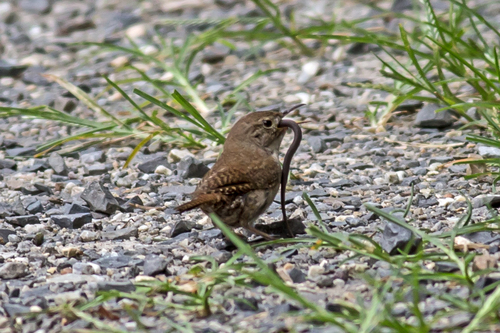 corruíra-boreal
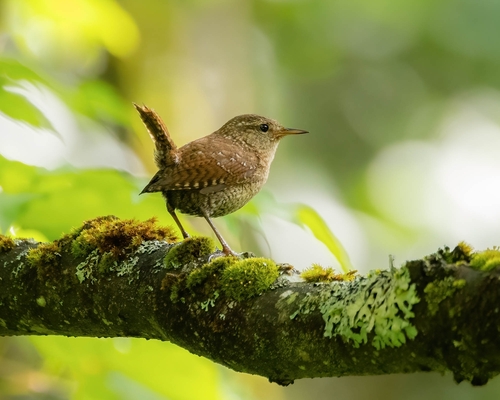 winter wren
Em resumo
A marca de campo mais confiável para separar a corruíra-boreal da winter wren é a coloração geral e as barras: a winter wren é mais ricamente e extensivamente barrada, aparecendo mais escura e mais ruiva, especialmente nas laterais e partes inferiores, enquanto a corruíra-boreal é mais simples, com barras menos distintas e uma parte inferior mais clara, muitas vezes mais cinza ou amarelada. Ambas as espécies são pequenas, com caudas curtas, com caudas levantadas e sobrancelhas pálidas, mas a winter wren é ainda mais compacta e de corpo arredondado, frequentemente descrita como uma 'pequena bola marrom.' No campo, a winter wren prefere florestas coníferas densas e raramente é vista em habitats abertos ou suburbanos onde a corruíra-boreal é comum. Fique atento para diferenças sutis na estrutura e na aparência, especialmente em aves empoleiradas, e use habitat e contexto como pistas de apoio.
Dicas de identificação
- Cor geral e barras: A winter wren é mais ruiva e barrada nas laterais, asas e cauda, mesmo em aves jovens. A corruíra-boreal é mais simples, com barras menos distintas e uma parte inferior mais clara, às vezes amarelada ou acinzentada.
- Sobrancelha (supercílios): Ambas têm sobrancelhas pálidas, mas a da winter wren é geralmente mais proeminente e contrasta mais com a plumagem ao redor.
- Forma do corpo e postura: A winter wren parece especialmente compacta e arredondada, como uma 'pequena bola marrom,' com um pescoço muito curto. A corruíra-boreal é esbelta e alongada em comparação, embora ainda pequena e arredondada.
- Cauda: Ambas as espécies levantam suas caudas curtas, mas a cauda da winter wren parece ainda mais curta e é frequentemente mantida mais alta acima das costas. A cauda da corruíra-boreal é curta, mas proporcionalmente mais longa e menos robusta.
- Bico: Ambas têm bicos finos e levemente curvados para baixo. A mandíbula inferior da corruíra-boreal é frequentemente amarelada ou cinza pálido com uma ponta preta, enquanto a da winter wren é marrom escura em toda a parte. Isso é sutil e pode não ser visível no campo.
- Cor das pernas: As pernas da corruíra-boreal são rosadas ou cinzas; as da winter wren são marrons claras. Isso não é uma marca de campo forte, mas pode apoiar outras pistas.
- Aves juvenis/imaturas: As jovens winter wrens são menos distintamente barradas do que os adultos, mas ainda mostram mais barras do que as corruíras-boreais. Os juvenis da corruíra-boreal são ainda mais simples, com poucas ou nenhuma barra nas laterais.
- Habitat: Em florestas coníferas densas ou mistas, especialmente com muita madeira caída, espere encontrar a winter wren. Em florestas abertas, jardins, parques ou áreas suburbanas, a corruíra-boreal é muito mais provável.
- Comportamento: A winter wren é mais secreta e passa mais tempo se movendo baixo em coberturas densas, raramente empoleirando-se em áreas abertas. A corruíra-boreal é mais ousada, frequentemente empoleirando-se em galhos expostos ou postes de cerca.
- Canto: O canto da corruíra-boreal é rico e borbulhante, geralmente emitido de um poleiro aberto na primavera/verão. O canto da winter wren é mais longo e exuberante, frequentemente ouvido profundamente na floresta. Use com cautela, a menos que você esteja familiarizado com ambos.
- Voo: Ambas têm voos curtos e zumbidores, mas o da winter wren é especialmente rápido e direto, frequentemente baixo ao chão.
- Tamanho: A corruíra-boreal é ligeiramente maior e mais longa, mas isso raramente é óbvio, a menos que ambas estejam lado a lado.
- Cor da parte inferior: A corruíra-boreal pode mostrar partes inferiores marrons, amareladas, cinzas claras ou quase brancas, enquanto a winter wren é sempre mais cinza e mais fortemente barrada abaixo.
- Barrado nas laterais: A winter wren tem barras escuras e nítidas nas laterais; a corruíra-boreal tem poucas ou nenhuma barra aqui, exceto em algumas subespécies onde é fraca.
- Contexto: Se você vê uma corruíra em uma cidade ou campo aberto, é quase certamente uma corruíra-boreal; em uma floresta densa e escura, especialmente no norte ou leste, espere a winter wren.
Tamanho
Ambas as espécies são wrens muito pequenas, mas a corruíra-boreal é ligeiramente maior em média (massa corporal ~11,5 g, comprimento 11–13 cm, envergadura ~15 cm) em comparação com a winter wren (comprimento 8–12 cm, envergadura 12–16 cm, peso 8–12 g). Na prática, essa diferença de tamanho é sutil e raramente é diagnóstica no campo, mas a winter wren frequentemente parece ainda mais compacta e arredondada devido ao seu pescoço mais curto e postura mais esférica.
Plumagem
- Plumagem juvenil/imatura: As jovens winter wrens são menos distintamente barradas do que os adultos, mas ainda mostram mais barras gerais do que as corruíras-boreais de qualquer idade. Ambas as espécies têm sobrancelhas pálidas, mas a da winter wren é geralmente mais proeminente.
- Plumagem adulta: A winter wren é ruiva-marrom acima e mais cinza abaixo, com barras escuras pesadas e nítidas nas asas, cauda e laterais. A corruíra-boreal é variável acima (de cinza-marrom opaco a marrom rico), mas sempre menos ruiva e menos distintamente barrada, especialmente nas partes inferiores. As partes inferiores da corruíra-boreal podem variar de marrons a amareladas, cinzas claras ou quase brancas, e as barras são limitadas às asas, cauda e, às vezes, laterais, mas nunca tão extensas ou nítidas quanto na winter wren. Ambas têm um leve anel ocular e sobrancelha, mas a da winter wren é geralmente mais ousada. A cor da mandíbula é semelhante (escura acima, mais clara abaixo), mas a mandíbula inferior da corruíra-boreal é frequentemente amarelada ou cinza pálido com uma ponta preta, enquanto a da winter wren é marrom escura.
Comportamento
Ambas as corruíras são ativas, inquietas e frequentemente vistas balançando suas caudas levantadas. A winter wren se move com movimentos incessantes, rastejando ou subindo, frequentemente baixo ao chão ou em coberturas densas, e seu voo é curto, direto e muito rápido com asas zumbidoras. A corruíra-boreal também é ativa, mas é mais provável que seja vista em áreas abertas, jardins ou ambientes suburbanos, frequentemente empoleirando-se em áreas expostas ou cantando de galhos expostos. A winter wren tende a ser mais secreta e furtiva, especialmente em sub-bosques densos de florestas.
Habitat
O habitat é uma pista de apoio forte: a winter wren está intimamente ligada a florestas coníferas densas e úmidas, especialmente com muita madeira caída e sub-bosque emaranhado, e raramente é encontrada em áreas abertas ou suburbanas. A corruíra-boreal, por outro lado, é comum em jardins suburbanos, parques, florestas abertas e habitats de borda, e é muito menos provável em florestas densas. Se você encontrar uma pequena corruíra em um parque da cidade ou quintal, a corruíra-boreal é muito mais provável; em uma floresta escura e densa de abetos, espere a winter wren.
Voz
Ambas as espécies têm canções complexas e musicais, mas as notas não fornecem comparação detalhada. O canto da corruíra-boreal é descrito como rico e borbulhante, comumente ouvido durante a temporada de nidificação, mas raramente depois. O canto da winter wren é longo e exuberante, frequentemente ouvido em seu habitat de reprodução. O canto é variável e pode ser difícil de usar para separação sem experiência, mas o contexto e a estação podem ajudar: a corruíra-boreal canta mais em ambientes abertos/suburbanos, a winter wren em florestas densas.