

Northern House Wren vs Winter Wren
Troglodytes aedon contro Troglodytes hiemalis
Fai un quiz con Northern House Wren e Winter Wren
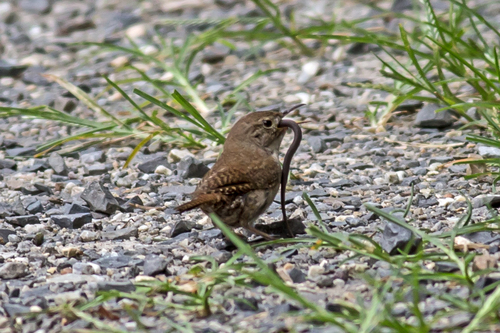 Northern House Wren
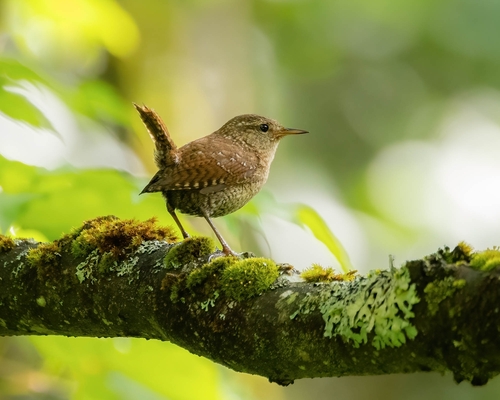 Winter Wren
In breve
Il segno di campo più affidabile per separare il Northern House Wren dal Winter Wren è la colorazione generale e le barre: il Winter Wren è più riccamente e ampiamente barrato, apparendo più scuro e più rugginoso, specialmente sui fianchi e sulle parti inferiori, mentre il House Wren è più semplice, con barre meno distinte e una parte inferiore più chiara, spesso grigia o color sabbia. Entrambe le specie sono piccoli, con code corte, con code sollevate e sopracciglia chiare, ma il Winter Wren è ancora più compatto e rotondo, spesso descritto come una 'piccola palla marrone.' Sul campo, il Winter Wren predilige le foreste conifere dense ed è raramente visto in habitat aperti o suburbani dove il House Wren è comune. Fai attenzione a differenze sottili nella struttura e nel comportamento, specialmente negli uccelli in perching, e usa l'habitat e il contesto come indizi di supporto.
Consigli di identificazione
- Overall color and barring: Il Winter Wren è più riccamente marrone rugginoso e pesantemente barrato sui fianchi, sulle ali e sulla coda, anche negli uccelli giovani. Il House Wren è più semplice, con barre meno distinte e una parte inferiore più chiara, a volte color sabbia o grigia.
- Eyebrow (supercilium): Entrambi hanno sopracciglia chiare, ma quella del Winter Wren è solitamente più prominente e contrasta di più con il piumaggio circostante.
- Body shape and posture: Il Winter Wren appare particolarmente compatto e rotondo, come una 'piccola palla marrone,' con un collo molto corto. Il House Wren è snello ed allungato in confronto, anche se è comunque piccolo e rotondo.
- Tail: Entrambe le specie sollevano le loro code corte, ma la coda del Winter Wren appare ancora più corta ed è spesso tenuta più in alto sopra la schiena. La coda del House Wren è corta ma proporzionalmente più lunga e meno tozza.
- Bill: Entrambi hanno becchi sottili, leggermente ricurvi verso il basso. La mandibola inferiore del House Wren è spesso giallastra o grigia chiara con una punta nera, mentre quella del Winter Wren è marrone scuro in tutto. Questo è sottile e potrebbe non essere visibile sul campo.
- Leg color: Le gambe del House Wren sono rosate o grigie; quelle del Winter Wren sono marrone chiaro. Questo non è un segno di campo forte ma può supportare altri indizi.
- Juvenile/immature birds: I giovani Winter Wrens sono meno distintamente barrati rispetto agli adulti ma mostrano comunque più barre rispetto ai House Wrens. I giovani House Wren sono ancora più semplici, con poche o nessuna barra sui fianchi.
- Habitat: Nelle foreste conifere dense o miste, specialmente con molti legni caduti, aspettati il Winter Wren. Nei boschi aperti, giardini, parchi o aree suburbane, il House Wren è molto più probabile.
- Behavior: Il Winter Wren è più riservato e trascorre più tempo strisciando in copertura densa, raramente posandosi in aperto. Il House Wren è più audace, spesso posandosi su rami esposti o pali di recinzione.
- Song: Il canto del House Wren è ricco e frizzante, solitamente emesso da un posatoio aperto in primavera/estate. Il canto del Winter Wren è più lungo e più esuberante, spesso udito nel profondo della foresta. Usa con cautela a meno che tu non sia familiare con entrambi.
- Flight: Entrambi hanno voli brevi e frullanti, ma il volo del Winter Wren è particolarmente rapido e diretto, spesso basso al suolo.
- Size: Il House Wren è leggermente più grande e lungo, ma questo è raramente ovvio a meno che entrambi non siano affiancati.
- Underpart color: Il House Wren può mostrare parti inferiori marroni, color sabbia, grigie chiare o quasi bianche, mentre il Winter Wren è sempre più grigio e più pesantemente barrato sotto.
- Flank barring: Il Winter Wren ha barre scure e nitide sui fianchi; il House Wren ha poche o nessuna barra qui, tranne in alcune sottospecie dove è debole.
- Context: Se vedi un wren in una città o in campagna aperta, è quasi certamente un House Wren; in una foresta profonda e scura, specialmente a nord o a est, aspettati il Winter Wren.
Taglia
Entrambe le specie sono wrens molto piccoli, ma il Northern House Wren è leggermente più grande in media (massa corporea ~11.5 g, lunghezza 11–13 cm, apertura alare ~15 cm) rispetto al Winter Wren (lunghezza 8–12 cm, apertura alare 12–16 cm, peso 8–12 g). In pratica, questa differenza di dimensioni è sottile e raramente diagnostica sul campo, ma il Winter Wren appare spesso ancora più compatto e rotondo a causa del suo collo più corto e della postura più sferica.
Piumaggio
- Juvenile/immature plumage: I giovani Winter Wrens sono meno distintamente barrati rispetto agli adulti ma mostrano comunque più barre complessive rispetto ai House Wrens di qualsiasi età. Entrambe le specie hanno sopracciglia chiare, ma quella del Winter Wren è solitamente più prominente.
- Adult plumage: Il Winter Wren è marrone rugginoso sopra e più grigio sotto, con barre scure pesanti e nitide sulle ali, sulla coda e sui fianchi. Il House Wren è variabile sopra (da grigio-marrone opaco a marrone ricco), ma sempre meno rugginoso e meno distintamente barrato, specialmente sulle parti inferiori. Le parti inferiori del House Wren possono variare da marrone a sabbia, grigio chiaro o quasi bianco, e le barre sono limitate alle ali, alla coda e talvolta ai fianchi, ma non sono mai così estese o nitide come nel Winter Wren. Entrambi hanno un anello oculare e una sopracciglia deboli, ma quella del Winter Wren è solitamente più audace. Il colore del becco è simile (scuro sopra, più chiaro sotto), ma la mandibola inferiore del House Wren è spesso giallastra o grigia chiara con una punta nera, mentre quella del Winter Wren è marrone scuro.
Comportamento
Entrambi i wrens sono attivi, irrequieti e spesso visti a muovere le loro code sollevate. Il Winter Wren si muove con movimenti incessanti, striscianti o arrampicatori, spesso basso al suolo o in copertura densa, e il suo volo è breve, diretto e molto rapido con ali frullanti. Il House Wren è anche attivo ma è più probabile che venga visto in aree aperte, giardini o ambienti suburbani, spesso posandosi in aperto o cantando da rami esposti. Il Winter Wren tende ad essere più riservato e furtivo, specialmente nella vegetazione densa della foresta.
Habitat
L'habitat è un forte indizio di supporto: il Winter Wren è strettamente legato a foreste conifere dense e umide, specialmente con molti tronchi caduti e vegetazione intricata, ed è raramente trovato in aree aperte o suburbane. Il Northern House Wren, al contrario, è comune in giardini suburbani, parchi, boschi aperti e habitat di margine, ed è molto meno probabile trovarlo in foreste profonde. Se trovi un piccolo wren in un parco cittadino o in un cortile, è molto più probabile che sia un House Wren; in una foresta scura e densa di abete rosso, aspettati il Winter Wren.
Voce
Entrambe le specie hanno canti complessi e musicali, ma le note non forniscono un confronto dettagliato. Il canto del House Wren è descritto come ricco e frizzante, comunemente udito durante la stagione di nidificazione ma raramente dopo. Il canto del Winter Wren è lungo ed esuberante, spesso udito nel suo habitat di riproduzione. Il canto è variabile e può essere difficile da usare per la separazione senza esperienza, ma il contesto e la stagione possono aiutare: il House Wren canta di più in ambienti aperti/suburbani, il Winter Wren nella foresta profonda.
Northern House Wren · Winter Wren · I miei uccelli difficili