

atobá-boreal vs galheta
Morus bassanus versus Gulosus aristotelis
Jogue um quiz com atobá-boreal e galheta
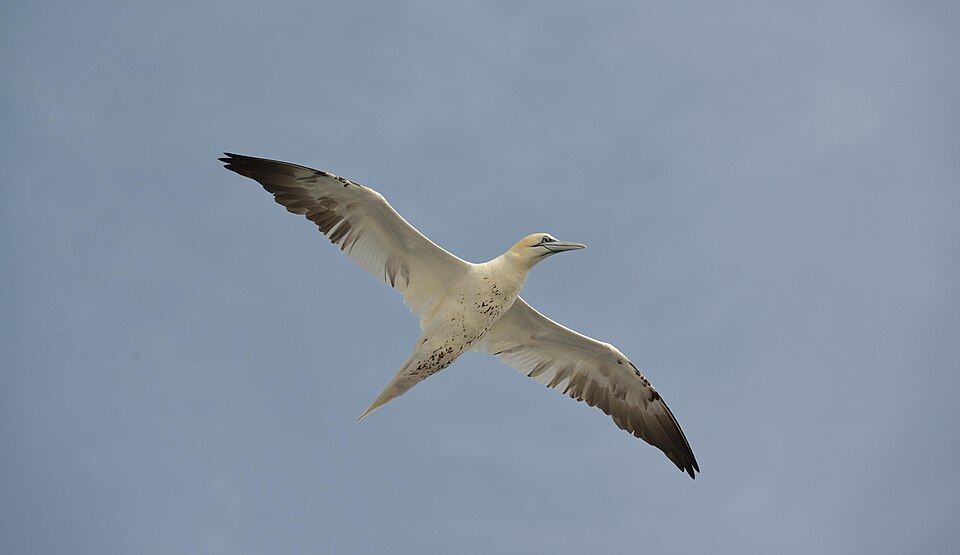 atobá-boreal
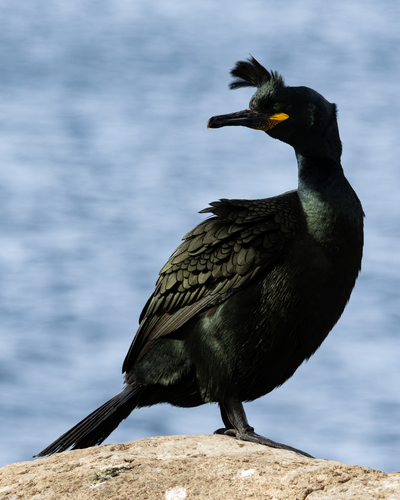 galheta
Em resumo
A marca de campo mais confiável entre o atobá-boreal e a galheta é a cor e o tamanho geral: os atobás-boreais adultos são impressionantemente grandes, principalmente brancos, com pontas de asas pretas e uma cabeça de um tom claro, enquanto as galhetas são muito menores, completamente escuras, com um brilho esverdeado e uma mancha amarela na garganta. Os atobás-boreais imaturos podem ser confusos devido à sua plumagem escura e manchada, mas permanecem mais robustos e mostram manchas brancas contrastantes à medida que envelhecem, ao contrário da galheta juvenil, que é uniformemente escura. A forma e a estrutura do bico também são fundamentais: os atobás-boreais têm um bico grosso, longo e azul-acinzentado, enquanto as galhetas têm um bico mais fino e delicado. Em voo ou em repouso, os atobás-boreais parecem massivos e aerodinâmicos, enquanto as galhetas são mais esbeltas e semelhantes a cormorões.
Dicas de identificação
- Padrão de voo juvenil/imaturo: Os jovens atobás-boreais mostram uma aparência manchada, com áreas brancas e escuras nas asas e no corpo, especialmente à medida que envelhecem durante os primeiros cinco anos. As galhetas juvenis são uniformemente escuras, sem manchas brancas. Esta é uma marca chave para separar os imaturos em voo.
- Cor geral: Os atobás-boreais adultos são quase totalmente brancos com pontas de asas pretas; as galhetas são completamente escuras com um brilho esverdeado. Mesmo à distância, esse contraste é óbvio em boa luz.
- Forma e cor do bico: Os atobás-boreais têm um bico longo, grosso e azul-acinzentado com pele nua preta ao redor da boca e dos olhos. As galhetas têm um bico mais fino e delicado que é escuro, e uma mancha amarela na garganta na base.
- Cabeça e face: Os atobás-boreais em reprodução mostram um tom claro na cabeça e na nuca, ausente nas galhetas. As galhetas na época de reprodução podem mostrar uma pequena crista.
- Cauda: Os atobás-boreais têm uma cauda completamente branca; as galhetas têm uma cauda longa e escura. Isso é visível tanto em voo quanto quando empoleiradas.
- Tamanho e robustez: Os atobás-boreais são muito maiores e mais pesados, com uma aparência massiva e aerodinâmica. As galhetas são de tamanho médio, esbeltas e semelhantes a cormorões.
- Forma da asa e voo: Os atobás-boreais têm asas longas e estreitas e um voo direto e poderoso. As galhetas têm asas mais curtas e largas e um bater de asas mais laborioso e rápido.
- Comportamento de empoleiramento: As galhetas frequentemente se empoleiram em rochas ou píeres com as asas abertas para secar; os atobás-boreais raramente se empoleiram, exceto em colônias de nidificação.
- Habitat: Os atobás-boreais são geralmente vistos longe da costa ou em colônias remotas; as galhetas são costeiras, frequentemente próximas à terra e à atividade humana.
- Partes inferiores: As galhetas juvenis têm partes inferiores mais escuras, enquanto os jovens atobás-boreais tornam-se cada vez mais brancos por baixo à medida que amadurecem.
- Pele facial: Os atobás-boreais têm pele nua preta ao redor dos olhos e da base do bico; as galhetas têm uma mancha amarela na garganta e nenhuma pele facial preta.
- Crista: Apenas as galhetas mostram uma pequena crista na época de reprodução; os atobás-boreais nunca mostram.
- Jizz: Os atobás-boreais parecem massivos, aerodinâmicos e poderosos; as galhetas parecem esbeltas, de cauda longa e semelhantes a cormorões.
- Transição de plumagem: Os atobás-boreais levam até cinco anos para alcançar a plumagem adulta completa, então aves intermediárias podem ser confusas, mas sempre mostrarão algumas manchas brancas e uma estrutura maior e mais robusta do que qualquer galheta.
- Armadilhas: Em luz fraca, os atobás-boreais imaturos podem parecer escuros e podem ser confundidos com galhetas, mas verifique o tamanho, a forma do bico e qualquer branco na plumagem. As galhetas nunca mostram manchas brancas ou uma cabeça clara.
Tamanho
O atobá-boreal é dramaticamente maior: os adultos pesam quase 3 kg em média e atingem 87–100 cm de comprimento com uma envergadura de 170–180 cm [wikidata][wikipedia]. A galheta é muito menor, com 68–78 cm de comprimento e uma envergadura de 95–110 cm [wikipedia]. Mesmo à distância, os atobás-boreais parecem enormes e pesados em comparação com a galheta, que é mais esbelta e de tamanho médio. O tamanho por si só é frequentemente suficiente para separá-los quando vistos juntos.
Plumagem
- Aves juvenis/imaturas: Os atobás-boreais juvenis são principalmente cinza-marrom com manchas brancas, ganhando gradualmente mais branco ao longo de cinco anos; eles podem mostrar uma aparência manchada em voo, especialmente nas asas superiores e partes inferiores. As galhetas juvenis são uniformemente escuras, com partes inferiores mais escuras e carecem das manchas brancas contrastantes vistas em atobás-boreais imaturos. Isso faz com que os jovens atobás-boreais pareçam muito mais padronizados e variáveis do que as galhetas jovens, que são consistentemente escuras.
- Adultos: Os atobás-boreais adultos são quase totalmente brancos com pontas de asas pretas e um tom claro na cabeça e na nuca (especialmente na época de reprodução). Sua cauda é toda branca. As galhetas adultas são pretas brilhantes com um brilho esverdeado, uma mancha amarela na garganta e uma pequena crista na época de reprodução. A cauda da galheta é longa e escura, nunca branca. Em todas as plumagens, os atobás-boreais têm um bico azul-acinzentado com pele nua preta ao redor do rosto, enquanto as galhetas têm um bico mais fino e escuro e uma mancha amarela na garganta.
Comportamento
Os atobás-boreais são voadores poderosos e diretos e são frequentemente vistos mergulhando dramaticamente no mar de grandes alturas para capturar peixes. Eles nidificam em colônias densas em penhascos e ilhas offshore. As galhetas são mais propensas a serem vistas nadando baixo na água, mergulhando para pescar ou empoleirando-se em rochas com as asas abertas para secar. Seu voo é menos direto e mais laborioso, com batidas de asas rápidas e um perfil mais semelhante a cormorões. Os atobás-boreais raramente se empoleiram em rochas perto da costa, enquanto as galhetas frequentemente o fazem.
Habitat
Os atobás-boreais são estritamente pelágicos fora da época de reprodução, geralmente vistos longe da costa, exceto quando nidificam em penhascos ou ilhas remotas e íngremes. As galhetas são aves costeiras, raramente se aventurando longe da terra, e são comumente vistas ao redor de costas rochosas, portos e ilhas. Se você ver uma grande ave marinha branca longe no mar, é quase certamente um atobá-boreal; uma ave escura abraçando a costa ou empoleirada em rochas provavelmente é uma galheta.