

Motmot

シロカツオドリ 対 ヨーロッパヒメウ

Morus bassanus 対 Gulosus aristotelis

シロカツオドリとヨーロッパヒメウのクイズ
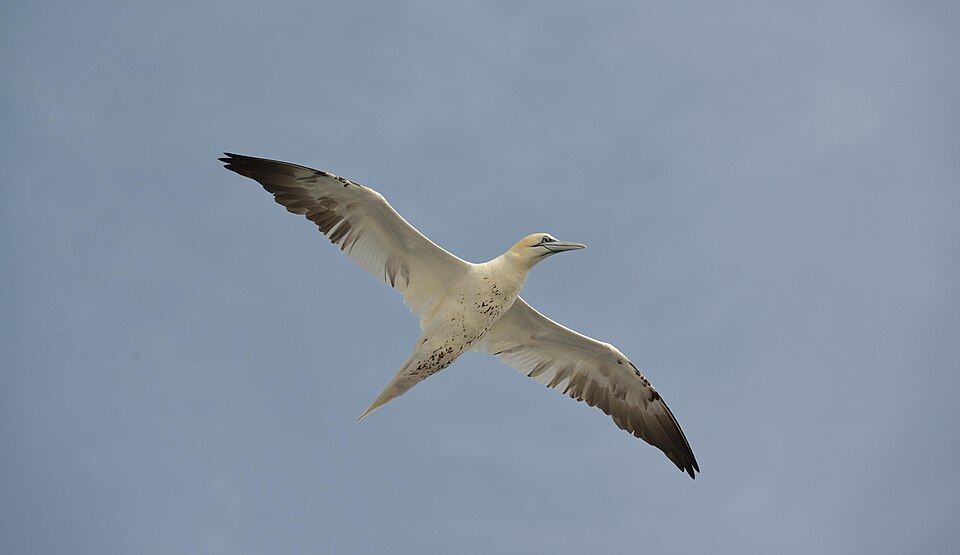
シロカツオドリ (Morus bassanus) シロカツオドリ
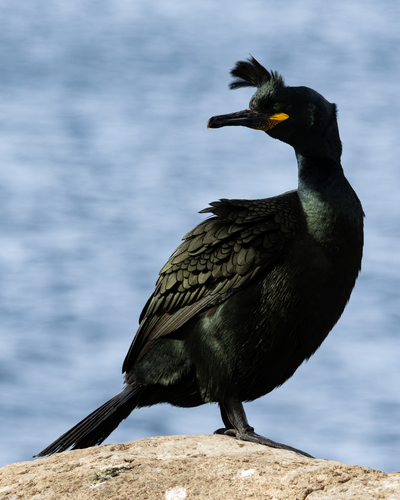
ヨーロッパヒメウ (Gulosus aristotelis) ヨーロッパヒメウ

メディア

読み込み中…

要点

ノーザン・ガネットとヨーロッパヒメウの最も信頼できるフィールドマークは、全体の色とサイズです:成鳥のガネットは目を引くほど大きく、主に白い海鳥で、黒い翼先と淡いバフ色の頭を持っていますが、ヒメウはずっと小さく、完全に暗い鳥で、緑がかった光沢と黄色の喉の斑点があります。未熟なガネットは暗い斑点のある羽毛のために混乱を招くことがありますが、彼らは常により大きく、年を重ねるにつれて対照的な白い斑点を示しますが、均一に暗い幼鳥のヒメウとは異なります。くちばしの形と構造も重要です:ガネットは厚く、長い青灰色のくちばしを持ち、ヒメウはより細く、繊細なくちばしを持っています。飛行中または休息中、ガネットは巨大で流線型に見えますが、ヒメウはより細長く、コモリウオのようです。

識別のコツ

  1. 幼鳥/未熟な飛行パターン: 若いノーザン・ガネットは、特に最初の5年間を通じて、翼と体に白と暗い部分の斑点のある外観を示します。幼鳥のヒメウは均一に暗く、白い斑点はありません。これは飛行中の未熟な個体を区別するための重要なマークです。
  2. 全体の色: 成鳥のガネットはほぼ完全に白く、黒い翼先を持っています;ヒメウは完全に暗く、緑がかった光沢があります。距離があっても、このコントラストは良い光の中で明らかです。
  3. くちばしの形と色: ガネットは長く、厚い青灰色のくちばしを持ち、口と目の周りには黒い裸の皮膚があります。ヒメウはより細く、暗いくちばしを持ち、基部には黄色の喉の斑点があります。
  4. 頭と顔: 繁殖期のガネットは頭と後頭部に淡いバフ色の洗いがかかっていますが、ヒメウにはありません。繁殖期のヒメウは小さな冠を示すことがあります。
  5. 尾: ガネットは全白の尾を持っています;ヒメウは長く、暗い尾を持っています。これは飛行中や止まっているときに見えます。
  6. サイズと体重: ガネットはずっと大きく、重い体を持ち、巨大で流線型の外観をしています。ヒメウは中型で、細長く、コモリウオのようです。
  7. 翼の形と飛行: ガネットは長く、狭い翼を持ち、直接的で強力な飛行をします。ヒメウは短く、広い翼を持ち、より労力を要する急速な翼の打撃をします。
  8. 止まり方: ヒメウはしばしば岩や桟橋に止まり、翼を広げて乾かします;ガネットは巣作りのコロニーを除いてはめったに止まりません。
  9. 生息地: ガネットは通常、遠くの海や遠隔のコロニーで見られます;ヒメウは沿岸、しばしば陸や人間の活動に近い場所で見られます。
  10. 腹部: 幼鳥のヒメウは暗い腹部を持っていますが、若いガネットは成熟するにつれて下側がますます白くなります。
  11. 顔の皮膚: ガネットは目とくちばしの基部の周りに黒い裸の皮膚を持っています;ヒメウは黄色の喉の斑点を持ち、黒い顔の皮膚はありません。
  12. 冠: 繁殖期に小さな冠を示すのはヒメウだけです;ガネットは決して示しません。
  13. ジズ: ガネットは巨大で流線型、力強く見えます;ヒメウは細長く、長い尾を持ち、コモリウオのように見えます。
  14. 羽毛の移行: ガネットは完全な成鳥の羽毛に達するまでに最大5年かかるため、中間的な鳥は混乱を招くことがありますが、常にいくつかの白い斑点と、どのヒメウよりも大きく、重い構造を示します。
  15. 落とし穴: 光が悪いと、未熟なガネットは暗く見え、ヒメウと混同されることがありますが、サイズ、くちばしの形、羽毛の中の白を確認してください。ヒメウは決して白い斑点やバフ色の頭を示しません。

大きさ

ノーザン・ガネットは劇的に大きいです:成鳥は平均してほぼ3 kgの質量を持ち、87–100 cmの長さに達し、翼幅は170–180 cmです [wikidata][wikipedia]。ヨーロッパヒメウはずっと小さく、68–78 cmの長さで、翼幅は95–110 cmです [wikipedia]。距離があっても、ガネットはよりスリムで中型のヒメウと比較して巨大で重い体に見えます。サイズだけでも、彼らを一緒に見たときに区別するのに十分です。

羽色

行動

ノーザン・ガネットは力強く、直接的な飛行者であり、魚を捕まえるために高いところから劇的に海に飛び込む姿がよく見られます。彼らは崖や沖の島に密集したコロニーで巣を作ります。ヨーロッパヒメウは水面近くで泳いでいるか、魚を捕まえるために潜っているか、翼を広げて乾かすために岩に止まっている姿が見られることが多いです。彼らの飛行は直接的ではなく、より労力を要し、急速な翼の打撃とコモリウオのようなシルエットを持っています。ガネットは沿岸近くの岩に止まることはめったにありませんが、ヒメウはしばしばそうします。

生息環境

ノーザン・ガネットは繁殖期以外は厳密に外洋性で、通常は急な遠隔の崖や島で巣を作るとき以外は遠くの海で見られます。ヨーロッパヒメウは沿岸性の鳥で、陸から遠くに出ることはめったになく、岩の多い海岸、港、島の周りでよく見られます。もし遠くの海で大きな白い海鳥を見たら、それはほぼ確実にガネットです;海岸線に寄り添っている暗い鳥や岩に止まっている鳥は、ほぼ確実にヒメウです。

より良い説明を送る

比較と同じ項目を使ってください。文章はすぐに公開されます。

The most reliable field mark between Northern Gannet and European Shag is overall color and size: adult gannets are strikingly large, mostly white seabirds with black wingtips and a pale buff head, while shags are much smaller, entirely dark birds with a greenish sheen and a yellow throat patch. Immature gannets can be confusing due to their dark, mottled plumage, but they remain bulkier and show contrasting white patches as they age, unlike the uniformly dark juvenile shag. Bill shape and structure are also key: gannets have a thick, long, blue-grey bill, while shags have a thinner, more delicate bill. In flight or at rest, gannets appear massive and streamlined, while shags are more slender and cormorant-like.

  1. Juvenile/immature flight pattern: Young Northern Gannets show a patchy, mottled appearance with white and dark areas on the wings and body, especially as they age through their first five years. Juvenile shags are uniformly dark with no white patches. This is a key mark for separating immatures in flight.
  2. Overall color: Adult gannets are almost entirely white with black wingtips; shags are entirely dark with a greenish gloss. Even at a distance, this contrast is obvious in good light.
  3. Bill shape and color: Gannets have a long, thick, blue-grey bill with black bare skin around the mouth and eyes. Shags have a thinner, more delicate bill that is dark, and a yellow throat patch at the base.
  4. Head and face: Breeding gannets show a pale buff wash on the head and nape, absent in shags. Shags in breeding season may show a small crest.
  5. Tail: Gannets have an all-white tail; shags have a long, dark tail. This is visible both in flight and when perched.
  6. Size and bulk: Gannets are much larger and heavier-bodied, with a massive, streamlined look. Shags are medium-sized, slender, and cormorant-like.
  7. Wing shape and flight: Gannets have long, narrow wings and a direct, powerful flight. Shags have shorter, broader wings and a more labored, rapid wingbeat.
  8. Perching behavior: Shags often perch on rocks or jetties with wings spread to dry; gannets rarely perch except at nesting colonies.
  9. Habitat: Gannets are usually seen far offshore or at remote colonies; shags are coastal, often close to land and human activity.
  10. Underparts: Juvenile shags have darker underparts, while young gannets become increasingly white below as they mature.
  11. Facial skin: Gannets have black bare skin around the eyes and bill base; shags have a yellow throat patch and no black facial skin.
  12. Crest: Only shags show a small crest in breeding season; gannets never do.
  13. Jizz: Gannets appear massive, streamlined, and powerful; shags look slender, long-tailed, and cormorant-like.
  14. Plumage transition: Gannets take up to five years to reach full adult plumage, so intermediate birds can be confusing but will always show some white patches and a larger, bulkier structure than any shag.
  15. Pitfalls: In poor light, immature gannets may look dark and could be confused with shags, but check for size, bill shape, and any white in the plumage. Shags never show white patches or a buff head.

Northern Gannet is dramatically larger: adults average nearly 3 kg in mass and reach 87–100 cm in length with a wingspan of 170–180 cm [wikidata][wikipedia]. European Shag is much smaller, at 68–78 cm long and a wingspan of 95–110 cm [wikipedia]. Even at a distance, gannets appear huge and heavy-bodied compared to the more svelte, medium-sized shag. Size alone is often enough to separate them when seen together.

  • Juvenile/immature birds: Juvenile Northern Gannets are mostly grey-brown with white mottling, gradually gaining more white over five years; they may show a patchy, piebald look in flight, especially on the upperwings and underparts. Juvenile European Shags are uniformly dark, with darker underparts and lack the contrasting white patches seen in immature gannets. This makes young gannets appear much more patterned and variable than the consistently dark young shags.
  • Adults: Adult Northern Gannets are almost entirely white with black wingtips and a pale buff wash on the head and nape (especially in breeding season). Their tail is all white. Adult European Shags are glossy black with a green sheen, a yellow throat patch, and a small crest in breeding season. The shag’s tail is long and dark, never white. In all plumages, gannets have a blue-grey bill with black bare skin around the face, while shags have a thinner, dark bill and a yellow throat patch.

Northern Gannets are powerful, direct fliers and are often seen plunging dramatically into the sea from great heights to catch fish. They nest in dense colonies on cliffs and offshore islands. European Shags are more likely to be seen swimming low in the water, diving for fish, or perching on rocks with wings outstretched to dry. Their flight is less direct and more labored, with rapid wingbeats and a more cormorant-like silhouette. Gannets rarely perch on rocks near shore, while shags often do.

Northern Gannets are strictly pelagic outside the breeding season, usually seen far offshore except when nesting on steep, remote cliffs or islands. European Shags are coastal birds, rarely venturing far from land, and are commonly seen around rocky shores, harbors, and islands. If you see a large white seabird far out to sea, it is almost certainly a gannet; a dark bird hugging the coastline or perched on rocks is likely a shag.

変更を破棄しますか?

保存していない編集があります。今離れると失われます。

シロカツオドリ · ヨーロッパヒメウ · 苦手な鳥