
tordoveia vs sabiá-ruivo
Turdus viscivorus versus Turdus iliacus
Jogue um quiz com tordoveia e sabiá-ruivo
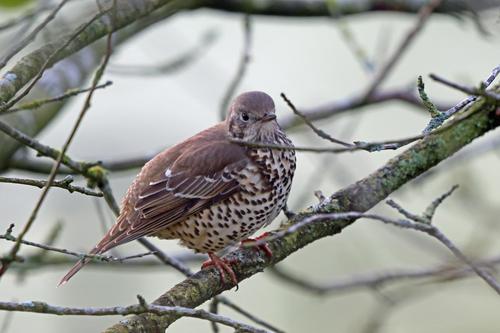 tordoveia
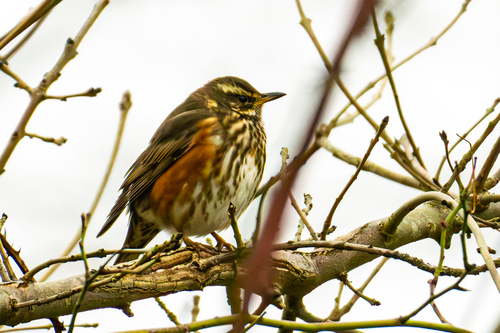 sabiá-ruivo
Em resumo
A maneira mais confiável de separar a tordoveia do sabiá-ruivo é pelo tamanho e estrutura: a tordoveia é muito maior, mais robusta e com cauda mais longa, enquanto o sabiá-ruivo é visivelmente menor e mais compacto. Em todas as plumagens, o sabiá-ruivo apresenta flancos e asas inferiores avermelhados e uma forte sobrancelha pálida, que a tordoveia não possui. A tordoveia tem manchas pretas redondas e irregulares em um fundo amarelado ou amarelado, enquanto as partes inferiores do sabiá-ruivo são mais brancas com manchas escuras mais ordenadas. Em voo, o sabiá-ruivo exibe asas inferiores vermelhas, uma característica que a tordoveia nunca mostra. Ambas as espécies podem ser vistas em habitats semelhantes no inverno, mas suas diferenças de estrutura e plumagem são claras com boas visões.
Dicas de identificação
- Tamanho e Estrutura: A tordoveia é muito maior e mais robusta que o sabiá-ruivo, com uma cauda mais longa e postura ereta. Use isso como seu primeiro verificador, especialmente quando os pássaros estão lado a lado ou com outros tordos para escala.
- Flancos e Asa Inferior Vermelha do Sabiá-Ruivo: O sabiá-ruivo sempre apresenta flancos e coberturas de asas inferiores avermelhados, visíveis tanto empoleirados quanto especialmente em voo. A tordoveia nunca mostra vermelho.
- Supercílios (Sobrancelha): O sabiá-ruivo tem uma sobrancelha forte e branca-cremosa que se destaca no rosto. A tordoveia não possui essa característica, mostrando um rosto mais simples.
- Manchas nas Partes Inferiores: A tordoveia tem manchas pretas redondas e irregulares em um fundo amarelado ou amarelado, frequentemente mais densas no peito inferior. As manchas do sabiá-ruivo são mais escuras, mais ordenadas e estão em um fundo mais branco.
- Cor da Barriga: A barriga da tordoveia é mais marrom ou laranja-amarelada, enquanto a do sabiá-ruivo é branca mais limpa.
- Partes Superiores: A tordoveia é cinza-marrom pálido por cima, enquanto o sabiá-ruivo é marrom simples. A tordoveia juvenil pode mostrar marcas em forma de lágrima cremosa nas partes superiores, mas os juvenis do sabiá-ruivo não.
- Padrão da Cauda: A tordoveia tem pontas brancas nas penas da cauda externa, melhor vistas em voo ou quando a cauda está aberta. O sabiá-ruivo não possui essa característica.
- Asa Inferior em Voo: A asa inferior vermelha do sabiá-ruivo é diagnóstica em todas as idades e estações. A tordoveia mostra coberturas de asas inferiores brancas.
- Postura e Jizz: A tordoveia fica mais ereta e parece ter pernas mais longas e cauda mais longa. O sabiá-ruivo é mais compacto e horizontal.
- Tamanho do Bando e Comportamento: O sabiá-ruivo é mais propenso a estar em bandos, especialmente no inverno, e é frequentemente mais discreto, alimentando-se em arbustos. A tordoveia é frequentemente solitária ou em pares, mais propensa a ser vista em áreas abertas.
- Contexto do Habitat: Em campos abertos e áreas de parque, especialmente fora da estação de reprodução, a tordoveia é mais esperada como um pássaro solitário ou em pequenos grupos. O sabiá-ruivo é mais provável em cercas vivas e bordas de florestas, frequentemente em bandos maiores.
- Plumagem Juvenil: A tordoveia juvenil é mais pálida por cima com marcas em forma de lágrima cremosa e manchas menores abaixo, mas ainda é maior e nunca mostra vermelho. O juvenil do sabiá-ruivo se assemelha aos adultos e sempre mostra os flancos e a sobrancelha vermelhos.
- Voz: Se ouvido, o sabiá-ruivo emite um chamado de voo fino e alto 'tsee', enquanto a tordoveia tem um chamado e canto mais altos e ruidosos, mas isso é menos frequentemente diagnóstico sem experiência.
- Sazonalidade: O sabiá-ruivo está presente na maior parte da Europa apenas no inverno; a tordoveia é residente ou uma migrante de curta distância. No meio do inverno, ambas podem ocorrer juntas, mas na primavera e no verão, o sabiá-ruivo está ausente da maior parte da área.
- Armadilhas: Visões distantes ou contraluz podem obscurecer os flancos vermelhos do sabiá-ruivo, mas a estrutura e o tamanho ainda devem separá-los. Cuidado com tordoveias de barriga pálida em luz brilhante, mas elas nunca mostram o vermelho ou a sobrancelha do sabiá-ruivo.
Tamanho
A tordoveia é significativamente maior e mais pesada que o sabiá-ruivo. A tordoveia pesa em média cerca de 130 g (variação de 93–167 g) e mede 27–28 cm de comprimento com uma envergadura de 45 cm. O sabiá-ruivo é muito menor, pesando 50–75 g (média de 62 g), com um comprimento de 20–24 cm e uma envergadura de 33–34,5 cm. No campo, a tordoveia parece grande, ereta e com cauda longa, enquanto o sabiá-ruivo é compacto, com cauda curta e mais delicado no geral.
Plumagem
A tordoveia juvenil e adulta apresenta partes superiores cinza-marrom pálido e partes inferiores amareladas ou brancas com manchas pretas redondas e irregulares. Os juvenis são mais pálidos por cima com centros em forma de lágrima cremosa nas penas e manchas menores abaixo, mas no primeiro inverno são muito semelhantes aos adultos, embora frequentemente mais amarelados abaixo. O sabiá-ruivo de todas as idades tem partes superiores marrons simples, uma forte sobrancelha branca-cremosa e partes inferiores brancas com manchas marrons escuras e ordenadas. A característica mais diagnóstica é o vermelho ousado nos flancos e coberturas de asas inferiores, visíveis tanto em repouso quanto especialmente em voo. A tordoveia nunca mostra vermelho na asa ou nos flancos. Em voo, a asa inferior vermelha do sabiá-ruivo é uma marca chave para todas as plumagens e idades; a tordoveia mostra coberturas de asas inferiores brancas e pontas brancas nas penas da cauda externa. Os sexos são semelhantes em ambas as espécies.
Comportamento
A tordoveia é frequentemente vista sozinha ou em pares, às vezes em grupos familiares ou bandos soltos no final do verão e outono, e é mais provável de ser vista ereta e alerta em solo aberto, frequentemente batendo as asas e a cauda quando excitada. Seu voo é forte e saltitante com deslizamentos. O sabiá-ruivo é mais provável de ser visto em bandos, especialmente no inverno, e tende a ser mais furtivo, alimentando-se em árvores e arbustos, bem como no chão. O voo do sabiá-ruivo é direto e menos ondulante do que o da tordoveia.
Habitat
Ambas as espécies podem se sobrepor no inverno, especialmente em florestas abertas, parques e campos. A tordoveia é residente durante todo o ano em grande parte da Europa, com alguns pássaros do norte e do leste migrando. O sabiá-ruivo é um migrante, nidificando em florestas do norte e invernando mais ao sul, frequentemente aparecendo em grandes bandos em campos, cercas vivas e bordas de florestas. A tordoveia é mais provável de ser vista como um pássaro solitário ou em pares em habitats abertos, enquanto o sabiá-ruivo é tipicamente encontrado em grupos.
Voz
Nenhuma comparação direta está disponível nas notas, mas ambas as espécies têm chamadas e canções distintas. O sabiá-ruivo emite um chamado de voo fino e alto 'tsee' e uma canção variada e assobiada com dialetos locais. A tordoveia tem uma canção alta e ruidosa e chamadas ásperas, mas estas não estão detalhadas nas notas fornecidas.