
Tordela vs Tordo sassello
Turdus viscivorus contro Turdus iliacus
Fai un quiz con Tordela e Tordo sassello
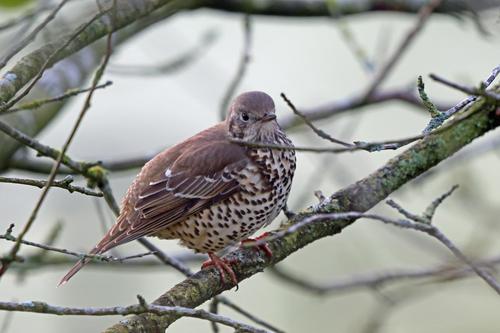 Tordela
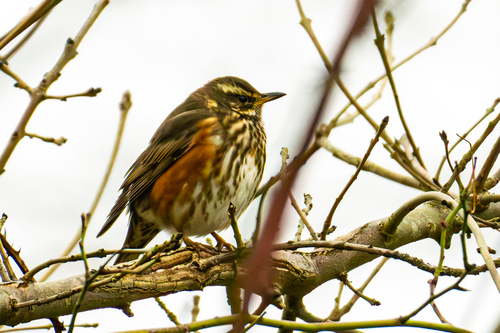 Tordo sassello
In breve
Il modo più affidabile per separare la Tordela dal Tordo sassello è per dimensione e struttura: la Tordela è molto più grande, massiccia e con una coda più lunga, mentre il Tordo sassello è notevolmente più piccolo e più compatto. In tutte le livree, il Tordo sassello mostra fianchi e sottocoda rossi audaci e un forte sopracciglio chiaro, che la Tordela non ha. La Tordela ha macchie nere rotonde e irregolari su uno sfondo giallastro o beige, mentre le parti inferiori del Tordo sassello sono più bianche con macchie scure più ordinate. In volo, il Tordo sassello lampeggia con sottocoda rossa, una caratteristica mai mostrata dalla Tordela. Entrambe le specie possono essere viste in habitat simili in inverno, ma le loro differenze di struttura e livrea sono chiare con buone visuali.
Consigli di identificazione
- Dimensione e Struttura: La Tordela è molto più grande e massiccia del Tordo sassello, con una coda più lunga e una postura eretta. Usa questo come primo controllo, specialmente quando gli uccelli sono affiancati o con altri tordi per scala.
- Fianchi e Sottocoda Rossi del Tordo sassello: Il Tordo sassello mostra sempre fianchi e copritrici della sottocoda rossi audaci, visibili sia posati che soprattutto in volo. La Tordela non mostra mai rosso.
- Supercilium (Sopracciglio): Il Tordo sassello ha un forte sopracciglio bianco-cremoso che spicca sul viso. La Tordela non ha questa caratteristica, mostrando un viso più semplice.
- Macchie delle Parti Inferiori: La Tordela ha macchie nere rotonde e irregolari su uno sfondo beige o giallastro, spesso più dense sulla parte inferiore del petto. Le macchie del Tordo sassello sono più scure, più ordinate e impostate su uno sfondo più bianco.
- Colore della Pancia: La pancia della Tordela è più marrone o arancio-beige, mentre quella del Tordo sassello è bianca più pulita.
- Parti Superiori: La Tordela è grigio-marrone chiaro sopra, mentre il Tordo sassello è marrone semplice. La Tordela giovane può mostrare segni a forma di goccia cremosa sulle parti superiori, ma i giovani Tordi sasselli non lo fanno.
- Schema della Coda: La Tordela ha punte bianche sulle penne esterne della coda, meglio visibili in volo o quando la coda è aperta. Il Tordo sassello non ha questa caratteristica.
- Sottocoda in Volo: La sottocoda rossa del Tordo sassello è diagnostica in tutte le età e stagioni. La Tordela mostra copritrici della sottocoda bianche.
- Postura e Aspetto: La Tordela sta più eretta e appare con zampe più lunghe e coda più lunga. Il Tordo sassello è più compatto e orizzontale.
- Dimensione del Branco e Comportamento: Il Tordo sassello è più probabile che si trovi in branchi, specialmente in inverno, ed è spesso più riservato, nutrendosi nei cespugli. La Tordela è spesso solitaria o in coppie, più probabile da vedere in spazi aperti.
- Contesto dell'Habitat: Nei campi aperti e nei parchi, specialmente al di fuori della stagione di nidificazione, la Tordela è più attesa come uccello solitario o in piccoli gruppi. Il Tordo sassello è più probabile nei siepi e ai margini dei boschi, spesso in branchi più grandi.
- Livrea Giovanile: La Tordela giovane è più chiara sopra con segni a forma di goccia cremosa e macchie più piccole sotto, ma è comunque più grande e non mostra mai rosso. Il Tordo sassello giovane assomiglia agli adulti e mostra sempre i fianchi e il sopracciglio rossi.
- Voce: Se udito, il Tordo sassello emette un sottile e alto richiamo di volo 'tsee', mentre la Tordela ha un richiamo e un canto più forti e rattling, ma questo è meno spesso diagnostico senza esperienza.
- Stagionalità: Il Tordo sassello è presente nella maggior parte dell'Europa solo in inverno; la Tordela è residente o un migratore a breve distanza. A metà inverno, entrambi possono verificarsi insieme, ma in primavera e estate, il Tordo sassello è assente dalla maggior parte dell'areale.
- Insidie: Visuali distanti o retroilluminate possono oscurare i fianchi rossi del Tordo sassello, ma la struttura e la dimensione dovrebbero comunque separarli. Fai attenzione alle Tordele con pancia chiara in luce intensa, ma non mostrano mai il rosso o il sopracciglio del Tordo sassello.
Taglia
La Tordela è significativamente più grande e pesante del Tordo sassello. La Tordela pesa in media circa 130 g (intervallo 93–167 g) e misura 27–28 cm di lunghezza con un'apertura alare di 45 cm. Il Tordo sassello è molto più piccolo, pesando 50–75 g (media 62 g), con una lunghezza di 20–24 cm e un'apertura alare di 33–34,5 cm. Sul campo, la Tordela appare grande, eretta e con una coda lunga, mentre il Tordo sassello è compatto, con coda corta e più delicato nel complesso.
Piumaggio
I giovani e gli adulti Tordele mostrano entrambi parti superiori grigio-marrone chiaro e parti inferiori giallastre-beige a bianco sporco contrassegnate da macchie nere rotonde e irregolari. I giovani sono più chiari sopra con centri a forma di goccia cremosa sulle piume e macchie più piccole sotto, ma entro il primo inverno sono molto simili agli adulti, anche se spesso più beige sotto. Il Tordo sassello di tutte le età ha parti superiori marroni semplici, un forte sopracciglio bianco-cremoso e parti inferiori bianche con macchie scure e ordinate. La caratteristica più diagnostica è il rosso audace sui fianchi e sulle copritrici della sottocoda, visibile sia a riposo che soprattutto in volo. La Tordela non mostra mai rosso nell'ala o sui fianchi. In volo, la sottocoda rossa del Tordo sassello è un segno chiave per tutte le livree e le età; la Tordela mostra copritrici della sottocoda bianche e punte bianche sulle penne esterne della coda. I sessi sono simili in entrambe le specie.
Comportamento
La Tordela è spesso vista sola o in coppie, a volte in gruppi familiari o branchi sciolti in tarda estate e autunno, ed è più probabile da vedere eretta e allerta su terreno aperto, spesso muovendo ali e coda quando è eccitata. Il suo volo è forte e rimbalzante con planate. Il Tordo sassello è più probabile da vedere in branchi, specialmente in inverno, e tende a essere più furtivo, nutrendosi sugli alberi e nei cespugli così come a terra. Il volo del Tordo sassello è diretto e meno ondulato rispetto alla Tordela.
Habitat
Entrambe le specie possono sovrapporsi in inverno, specialmente in boschi aperti, parchi e campi. La Tordela è un residente tutto l'anno in gran parte dell'Europa, con alcuni uccelli settentrionali e orientali che migrano. Il Tordo sassello è un migratore, nidificando nelle foreste settentrionali e svernando più a sud, apparendo spesso in grandi branchi nei campi, nelle siepi e ai margini dei boschi. La Tordela è più probabile da vedere come uccello solitario o in coppia in habitat aperti, mentre il Tordo sassello è tipicamente trovato in gruppi.
Voce
Non è disponibile un confronto diretto nelle note, ma entrambe le specie hanno richiami e canti distintivi. Il Tordo sassello emette un sottile e alto richiamo di volo 'tsee' e un canto vario e fischiante con dialetti locali. La Tordela ha un canto forte e rattling e richiami aspri, ma questi non sono dettagliati nelle note fornite.