

calhandrinha-das-marismas vs cotovia-escura
Alaudala rufescens versus Galerida theklae
Jogue um quiz com calhandrinha-das-marismas e cotovia-escura
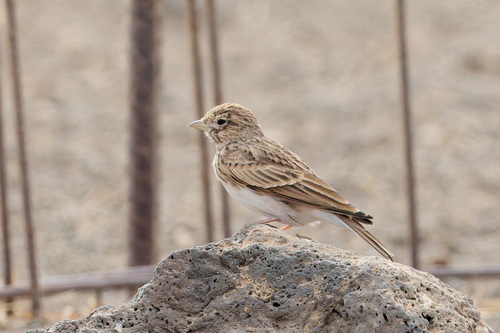 calhandrinha-das-marismas
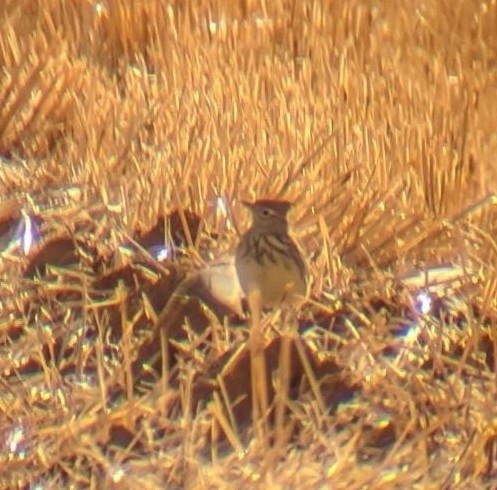 cotovia-escura
Em resumo
A marca de campo mais confiável entre a calhandrinha-das-marismas e a cotovia-escura é a presença de uma longa crista espinhosa na cotovia-escura, que está sempre ausente na calhandrinha-das-marismas. O formato do bico e da cabeça também diferem: a calhandrinha-das-marismas tem um bico mais curto e arredondado e uma cabeça menor, enquanto a cotovia-escura apresenta um bico mais robusto, ligeiramente mais longo, e uma cabeça mais angular. Ambas as espécies têm listras acima e abaixo, mas a cotovia-escura tem listras no peito mais pesadas e escuras e um tom geral mais cinza; a calhandrinha-das-marismas é mais clara e com listras mais finas. Em voo, nenhuma das espécies mostra as asas inferiores avermelhadas da cotovia-de-poupa, mas as asas inferiores da cotovia-escura são cinzas. Ambas podem ocorrer em habitats abertos secos semelhantes, mas a cotovia-escura é mais provável em altitudes mais elevadas e é estritamente residente.
Dicas de identificação
- Presença de crista: A cotovia-escura sempre apresenta uma longa crista espinhosa e ereta, especialmente quando alerta ou cantando; a calhandrinha-das-marismas nunca apresenta crista. Esta é a marca de campo mais confiável.
- Formato do bico: A calhandrinha-das-marismas tem um bico curto, atarracado e menos cônico; o bico da cotovia-escura é ligeiramente mais longo e mais robusto, embora não tão longo quanto o da cotovia-de-poupa. O formato do bico é melhor avaliado a curta distância ou em boa luz.
- Formato da cabeça: A calhandrinha-das-marismas tem uma cabeça mais arredondada e menor; a cabeça da cotovia-escura é mais angular, acentuada pela crista.
- Listras no peito: A cotovia-escura tem listras ousadas e escuras no peito; as listras no peito da calhandrinha-das-marismas são mais finas e menos contrastantes. Isso é mais útil em aves empoleiradas em boa luz.
- Tom de cor geral: A cotovia-escura é mais cinza acima e abaixo, enquanto a calhandrinha-das-marismas é mais clara e marronzada. A cor pode ser variável e afetada pela luz, então use com cautela.
- Supercílios: A calhandrinha-das-marismas apresenta um supercílios pálido; o supercílios da cotovia-escura é menos distinto.
- Cor das asas inferiores em voo: A cotovia-escura tem asas inferiores cinzas (não avermelhadas); a cor das asas inferiores da calhandrinha-das-marismas não é especificamente descrita, mas não apresenta tons avermelhados. Isso é principalmente útil para descartar a cotovia-de-poupa.
- Padrão da cauda e das asas: Nenhum padrão distintivo de idade específico nas asas superiores ou na cauda separa essas duas espécies; ambas carecem das bordas brancas nas asas e na cauda da laverca.
- Voz: O canto da calhandrinha-das-marismas é mais rico e mais variado do que o de seus parentes, mas a comparação direta com a cotovia-escura não é detalhada nas notas.
- Contexto do habitat: A cotovia-escura é mais provável em altitudes mais elevadas e é sempre residente; a calhandrinha-das-marismas é mais ampla e pode ocorrer em uma gama mais ampla de habitats abertos.
- Comportamento: A cotovia-escura frequentemente empoleira com a crista levantada e pode parecer mais ereta; a calhandrinha-das-marismas é menos provável de mostrar uma crista e pode parecer mais compacta.
- Armadilhas: Ambas as espécies são semelhantes em tamanho e compartilham listras nas partes superiores e inferiores. Não confie apenas na cor geral, pois ambas são variáveis e se sobrepõem em tom.
- Sexo e idade: Os sexos são semelhantes em ambas as espécies; nenhuma marca de voo específica de idade é descrita, então todas as idades devem ser separadas pela crista, bico, formato da cabeça e listras no peito.
- Distribuição: Se vistas fora da Bacia do Mediterrâneo ou em alta altitude na África do Norte/Ibéria, considere a cotovia-escura mais provável, mas a sobreposição ocorre.
- Comparação com outras cotovias: Ambas as espécies carecem das asas inferiores avermelhadas da cotovia-de-poupa e das bordas brancas nas asas/cauda da laverca. Sempre verifique a crista e as listras no peito antes de considerar outras cotovias.
Tamanho
Ambas as espécies são cotovias pequenas, semelhantes em tamanho e ligeiramente menores que a laverca. A calhandrinha-das-marismas mede 13–14 cm de comprimento, e a cotovia-escura é semelhante, talvez marginalmente maior, mas não o suficiente para ser separada de forma confiável pelo tamanho em campo. Os sexos são semelhantes em ambas as espécies. O comprimento do bico e o tamanho da cabeça são mais úteis do que o tamanho geral do corpo para separação.
Plumagem
- Plumagem juvenil/imatura: Nenhuma marca de voo ou asa superior específica de idade é descrita para ambas as espécies; ambas são cinza-escuro com listras marrons acima e brancas abaixo desde uma idade precoce. Nenhuma menção a painéis de asas contrastantes, bordas traseiras ou padrões em 'W'.
- Plumagem adulta: A cotovia-escura é mais cinza no geral, com listras no peito mais escuras e pesadas e uma longa crista espinhosa. A calhandrinha-das-marismas é mais clara, com listras mais finas no peito, um supercílios pálido e carece de qualquer crista. Ambas têm partes superiores com listras escuras, mas a cotovia-escura é mais acinzentada ou cinza, enquanto a calhandrinha-das-marismas é mais marrom-cinza. As asas inferiores em voo são cinzas na cotovia-escura; a cor das asas inferiores da calhandrinha-das-marismas não é especificada, mas não apresenta tons avermelhados.
Comportamento
Ambas as espécies são cotovias que habitam o solo em áreas abertas e secas. A cotovia-escura é frequentemente encontrada em altitudes mais elevadas e é estritamente não migratória, enquanto a calhandrinha-das-marismas pode ser mais ampla e localmente abundante ao redor da Bacia do Mediterrâneo. Ambas as espécies forrageiam no solo e podem levantar voo com um voo rápido, mas a cotovia-escura é mais provável de ser vista empoleirada com a crista levantada.
Habitat
A calhandrinha-das-marismas é ampla ao redor da Bacia do Mediterrâneo, das Ilhas Canárias e Ibéria através da África do Norte e até o Oriente Médio. A cotovia-escura se sobrepõe em distribuição, mas é mais frequentemente encontrada em altitudes e é estritamente residente. Ambas preferem áreas abertas e secas, mas a cotovia-escura pode estar mais associada a terrenos rochosos ou montanhosos.
Voz
A calhandrinha-das-marismas tem um canto mais rico, mais variado e imitativo em comparação com seus parentes. O canto da cotovia-escura não é descrito nas notas, então as diferenças vocais não são diagnósticas com base nas informações fornecidas.
calhandrinha-das-marismas · cotovia-escura · Minhas aves difíceis