

Calandrina vs Thekla's Lark
Alaudala rufescens contro Galerida theklae
Fai un quiz con Calandrina e Thekla's Lark
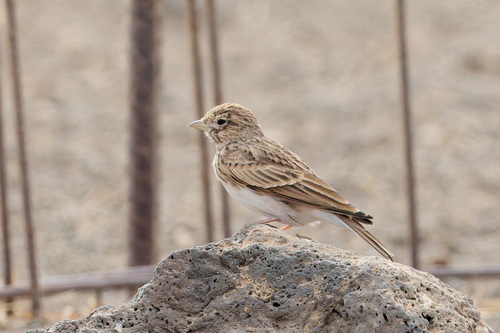 Calandrina
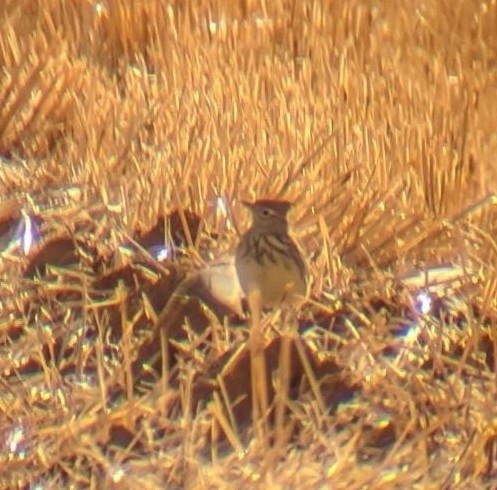 Thekla's Lark
In breve
Il segno distintivo più affidabile tra la Calandrina e la Thekla's Lark è la presenza di una lunga cresta appuntita sulla Thekla's Lark, che è sempre assente nella Calandrina. Anche la forma del becco e della testa differiscono: la Calandrina ha un becco più corto e arrotondato e una testa più piccola, mentre la Thekla's Lark mostra un becco più robusto e leggermente più lungo e una testa più angolare. Entrambe le specie hanno striature sopra e sotto, ma la Thekla's Lark ha striature sul petto più pesanti e nere e un tono generale più grigio; la Calandrina è più chiara e con striature più fini. In volo, nessuna delle due specie mostra le ali inferiori rossastre della Cappellaccia, ma le ali inferiori della Thekla's sono grigie. Entrambe possono verificarsi in habitat aperti e asciutti simili, ma la Thekla's è più probabile a altitudini più elevate ed è strettamente residente.
Consigli di identificazione
- Crest presence: La Thekla's Lark mostra sempre una lunga cresta appuntita ed eretta, specialmente quando è allerta o canta; la Calandrina non mostra mai una cresta. Questo è il segno distintivo più affidabile.
- Bill shape: La Calandrina ha un becco corto, tozzo e meno conico; il becco della Thekla's Lark è leggermente più lungo e più robusto, anche se non così lungo come quello della Cappellaccia. La forma del becco è meglio giudicata a distanza ravvicinata o in buona luce.
- Head shape: La Calandrina ha una testa più arrotondata e più piccola; la testa della Thekla's Lark è più angolare, accentuata dalla cresta.
- Breast streaking: La Thekla's Lark ha striature bold e nerastre sul petto; le striature sul petto della Calandrina sono più fini e meno contrastanti. Questo è più utile su uccelli in perching in buona luce.
- Overall color tone: La Thekla's Lark è più grigia sopra e sotto, mentre la Calandrina è più chiara e marrone. Il colore può essere variabile e influenzato dalla luce, quindi usare con cautela.
- Supercilium: La Calandrina mostra un supercilium pallido; il supercilium della Thekla's Lark è meno distinto.
- Underwing color in flight: La Thekla's Lark ha ali inferiori grigie (non rossastre); il colore delle ali inferiori della Calandrina non è specificamente descritto ma non mostra toni rossastri. Questo è principalmente utile per escludere la Cappellaccia.
- Tail and wing pattern: Non ci sono schemi distintivi specifici per età nelle ali superiori o nella coda che separano queste due specie; entrambe mancano dei bordi bianchi delle ali e della coda dell'Allodola.
- Voice: Il canto della Calandrina è più ricco e variegato rispetto ai suoi parenti, ma il confronto diretto con la Thekla's Lark non è dettagliato nelle note.
- Habitat context: La Thekla's Lark è più probabile a altitudini più elevate ed è sempre residente; la Calandrina è più diffusa e può verificarsi in una gamma più ampia di habitat aperti.
- Behavior: La Thekla's Lark spesso si posa con la cresta sollevata e può apparire più eretta; la Calandrina è meno probabile che mostri una cresta e può apparire più compatta.
- Pitfalls: Entrambe le specie sono simili in dimensioni e condividono striature superiori e inferiori. Non fare affidamento solo sul colore generale, poiché entrambe sono variabili e sovrappongono il tono.
- Sex and age: I sessi sono simili in entrambe le specie; non sono descritti segni di volo specifici per età, quindi tutte le età devono essere separate da cresta, becco, forma della testa e striature sul petto.
- Range: Se viste al di fuori del Bacino del Mediterraneo o ad alta quota in Nord Africa/Iberia, considerare la Thekla's Lark più probabile, ma si verifica anche sovrapposizione.
- Comparison with other larks: Entrambe le specie mancano delle ali inferiori rossastre della Cappellaccia e dei bordi bianchi delle ali e della coda dell'Allodola. Controlla sempre la cresta e le striature sul petto prima di considerare altre allodole.
Taglia
Entrambe le specie sono piccole allodole, simili in dimensioni e leggermente più piccole dell'Allodola. La Calandrina è lunga 13–14 cm, e la Thekla's Lark è simile, forse marginalmente più grande ma non abbastanza da essere separata in modo affidabile per dimensione sul campo. I sessi sono simili in entrambe le specie. La lunghezza del becco e la dimensione della testa sono più utili della dimensione complessiva del corpo per la separazione.
Piumaggio
- Juvenile/immature plumage: Non ci sono segni distintivi specifici per età nelle ali superiori o nei segni di volo descritti per entrambe le specie; entrambe sono grigio-marroni scure striate sopra e bianche sotto fin dalla giovane età. Non si fa menzione di pannelli di ali contrastanti, bordi posteriori o schemi a 'W'.
- Adult plumage: La Thekla's Lark è complessivamente più grigia, con striature sul petto più nere e pesanti e una lunga cresta appuntita. La Calandrina è più chiara, con striature più fini sul petto, un supercilium pallido e non ha alcuna cresta. Entrambe hanno parti superiori scure striate, ma la Thekla's è più cenere o grigia, mentre la Calandrina è più grigio-marrone. Le ali inferiori in volo sono grigie nella Thekla's; il colore delle ali inferiori della Calandrina non è specificato ma non mostra toni rossastri.
Comportamento
Entrambe le specie sono allodole terricole di paesi aperti e asciutti. La Thekla's Lark si trova spesso a altitudini più elevate ed è strettamente non migratoria, mentre la Calandrina può essere più diffusa e localmente abbondante intorno al Bacino del Mediterraneo. Entrambe le specie foraggiano a terra e possono decollare con un volo frenetico, ma la Thekla's Lark è più probabile che venga vista posata con la cresta sollevata.
Habitat
La Calandrina è diffusa intorno al Bacino del Mediterraneo, dalle Isole Canarie e Iberia attraverso il Nord Africa e fino al Medio Oriente. La Thekla's Lark sovrappone il suo areale ma si trova più spesso ad alta quota ed è strettamente residente. Entrambe preferiscono paesi asciutti e aperti, ma la Thekla's Lark può essere più associata a terreni rocciosi o collinari.
Voce
La Calandrina ha un canto più ricco, più variegato e imitatore rispetto ai suoi parenti. Il canto della Thekla's Lark non è descritto nelle note, quindi le differenze vocali non sono diagnostiche in base alle informazioni fornite.