

perna-verde-fino vs maçarico-grande-de-perna-amarela
Tringa stagnatilis versus Tringa melanoleuca
Jogue um quiz com perna-verde-fino e maçarico-grande-de-perna-amarela
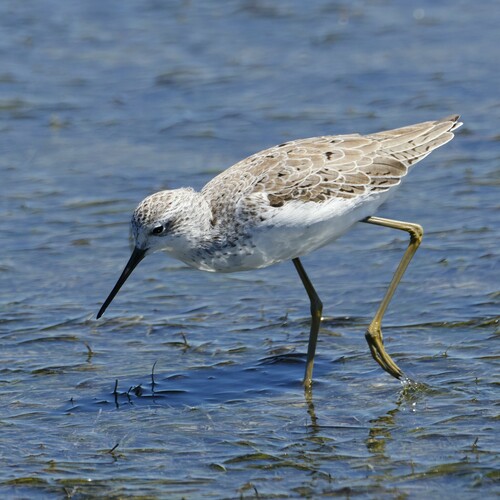 perna-verde-fino
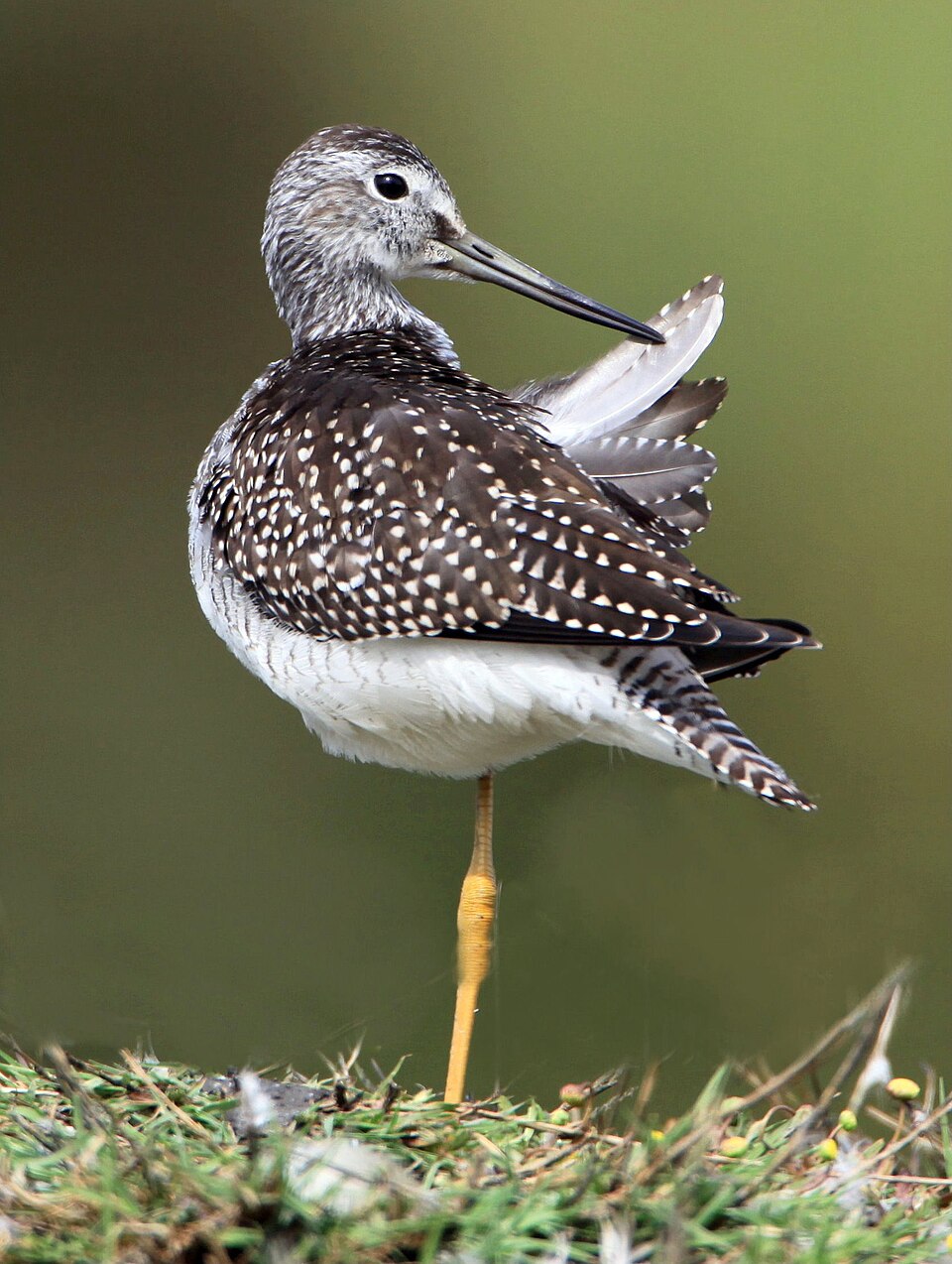 maçarico-grande-de-perna-amarela
Em resumo
A marca de campo mais confiável entre o perna-verde-fino e o maçarico-grande-de-perna-amarela é o tamanho e a estrutura: o perna-verde-fino é muito mais delicado, com um bico mais fino e semelhante a uma agulha e pernas amarelas muito longas e esbeltas, enquanto o maçarico-grande-de-perna-amarela é mais robusto, com um bico mais pesado e ligeiramente curvado para cima e um corpo muito maior. Em voo, ambos mostram branco nas costas e uma rabadilha branca, mas a impressão geral é de um pássaro muito menor e mais delicado no perna-verde-fino. As diferenças de plumagem são sutis, especialmente em aves não reprodutoras, então concentre-se primeiro na estrutura e nas proporções. As vocalizações não são facilmente confundidas se ouvidas bem, mas nem sempre estão disponíveis.
Dicas de identificação
- O tamanho é a pista mais imediata: o perna-verde-fino é muito menor e mais leve que o maçarico-grande-de-perna-amarela. Use isso sempre que tiver uma comparação direta ou objetos de referência.
- Forma e tamanho do bico: o perna-verde-fino tem um bico fino, reto e semelhante a uma agulha, notavelmente mais fino e curto que a cabeça. O maçarico-grande-de-perna-amarela tem um bico mais longo, mais grosso e frequentemente ligeiramente curvado para cima, mais longo que a cabeça. Isso é confiável em todas as idades e estações.
- Pernas: ambas as espécies têm pernas amareladas, mas as do perna-verde-fino são notavelmente mais longas em proporção ao corpo e muito mais esbeltas. As pernas do maçarico-grande-de-perna-amarela são mais grossas e de um amarelo brilhante. Em luz fraca, a cor das pernas pode ser enganosa, mas as proporções ainda são úteis.
- Estrutura geral ('jizz'): o perna-verde-fino é delicado, esbelto e elegante, com uma cabeça pequena e pescoço longo. O maçarico-grande-de-perna-amarela é robusto, ereto e sólido, com uma cabeça maior e pescoço mais grosso. Isso é especialmente claro quando as aves estão se alimentando ou alertas.
- Plumagem na época de reprodução: o perna-verde-fino é marrom acinzentado por cima com manchas finas e difusas no peito e no pescoço. O maçarico-grande-de-perna-amarela é mais escuro por cima, com muito preto nos ombros e nas costas, e tem um padrão de peito escuro, grosso e nítido. Isso é mais útil na primavera e no início do verão.
- Plumagem na época não reprodutiva: ambas se tornam mais pálidas, mas o maçarico-grande-de-perna-amarela retém mais listras ousadas no pescoço e no peito. O perna-verde-fino é geralmente mais simples e mais claro.
- Padrão de voo: ambos mostram um triângulo branco nas costas e uma rabadilha branca em voo, então isso não é um bom separador. Nenhuma diferença de padrão de asa superior ou cauda é descrita para juvenis ou imaturos.
- Cor do bico: ambos têm bicos escuros, mas a espessura e o comprimento são mais confiáveis do que a cor sozinha.
- Vocalizações: se você ouvir um apito alto, claro e de três sílabas, especialmente em voo, é o maçarico-grande-de-perna-amarela. O perna-verde-fino é mais silencioso e menos propenso a chamar.
- Habitat e distribuição: na América do Norte, o maçarico-grande-de-perna-amarela é comum; o perna-verde-fino é extremamente raro. Na Eurásia e na África, o perna-verde-fino é esperado, e o maçarico-grande-de-perna-amarela é um vagante.
- Comportamento alimentar: o maçarico-grande-de-perna-amarela pode agitar a água com seu bico e se alimentar de forma mais vigorosa. O perna-verde-fino é mais delicado e menos assertivo.
- Composição do grupo: o perna-verde-fino frequentemente se associa a outros pequenos maçaricos (como o maçarico-de-bico-curto), enquanto o maçarico-grande-de-perna-amarela é frequentemente visto com outros maçaricos ou solitário.
- Armadilhas: não confie apenas na cor das pernas ou no padrão da rabadilha. Ambos podem enganar. Concentre-se primeiro na estrutura, no bico e no tamanho.
- Diferenças de idade/sexo: nenhuma marca de campo específica de idade ou sexo é descrita para separação. Todas as idades e sexos podem ser separados pela estrutura e pelo bico.
- Quando em dúvida: se a ave parecer esbelta, com bico fino e delicada, incline-se para o perna-verde-fino; se parecer grande, robusta e com bico grosso, provavelmente é o maçarico-grande-de-perna-amarela.
Tamanho
O perna-verde-fino é significativamente menor e mais leve (massa corporal ~72g) em comparação com o maçarico-grande-de-perna-amarela (~170g). O maçarico-grande-de-perna-amarela não é apenas mais pesado, mas também mais longo (29–40 cm vs. 22–26 cm) e tem uma envergadura ligeiramente mais ampla (60 cm vs. 55–59 cm). No campo, isso se traduz em o perna-verde-fino parecer esbelto e delicado, enquanto o maçarico-grande-de-perna-amarela parece robusto e alto. A diferença é especialmente óbvia quando os dois são vistos lado a lado, mas mesmo sozinhos, a aparência de bico fino e pernas longas do perna-verde-fino se destaca em relação ao maçarico-grande-de-perna-amarela, que é mais robusto e sólido.
Plumagem
Nenhuma marca de asa superior ou padrão de voo específica de idade é descrita para qualquer uma das espécies que permitiria uma separação rápida de juvenis ou imaturos em voo. Ambas as espécies mostram um triângulo branco nas costas e uma rabadilha branca em voo, o que pode ser enganoso. O perna-verde-fino adulto em reprodução é marrom acinzentado por cima com pequenas manchas marrons difusas no peito e no pescoço, mais claro no inverno; o maçarico-grande-de-perna-amarela em plumagem de reprodução é marrom-acinzentado por cima com um padrão de peito escuro, grosso e nítido e muito preto nos ombros e nas costas, com pescoço e peito listrados. Na plumagem não reprodutiva, ambos são mais pálidos, mas o maçarico-grande-de-perna-amarela retém uma listragem mais robusta no pescoço e no peito. A cor das pernas é uma armadilha potencial: ambos têm pernas amarelas, mas as do perna-verde-fino são mais esbeltas e podem parecer amareladas em vez de amarelo brilhante. A cor e a forma do bico são mais confiáveis: o bico do perna-verde-fino é fino, reto e semelhante a uma agulha, enquanto o do maçarico-grande-de-perna-amarela é mais longo, mais grosso e frequentemente ligeiramente curvado para cima.
Comportamento
Ambas as espécies forrageiam em água rasa, frequentemente se movimentando ativamente. O maçarico-grande-de-perna-amarela pode ser mais vigoroso, às vezes agitando a água com seu bico. O perna-verde-fino tende a se mover com um andar mais delicado e gracioso, combinando com sua estrutura mais fina. Ambos podem ser vistos sozinhos ou em bandos soltos, mas o maçarico-grande-de-perna-amarela frequentemente parece mais assertivo e ereto, enquanto o perna-verde-fino é mais delicado e menos conspícuo em grupos mistos.
Habitat
O perna-verde-fino se reproduz em estepes gramadas abertas e em zonas úmidas de taiga desde a Europa mais oriental até o Extremo Oriente Russo, enquanto o maçarico-grande-de-perna-amarela se reproduz no centro do Canadá e no sul do Alasca, hibernando mais ao sul. Durante a migração e no inverno, ambos podem ser encontrados em zonas úmidas rasas, margens lamacentas e campos alagados. No entanto, o perna-verde-fino é raro nas Américas e é muito mais provável na Eurásia e na África, enquanto o maçarico-grande-de-perna-amarela é um migrante comum na América do Norte. O contexto e a localização são, portanto, importantes: um pequeno maçarico de pernas finas na Eurásia é provavelmente um perna-verde-fino; na América do Norte, o maçarico-grande-de-perna-amarela é muito mais provável.
Voz
O maçarico-grande-de-perna-amarela tem um apito alto, claro e de três sílabas (com uma nota baixa na terceira sílaba) que é muito mais áspero e ressoante do que os chamados do perna-verde-fino. O perna-verde-fino é geralmente mais silencioso e menos vocal, sem menção a um chamado distinto e alto nas fontes. Se você ouvir um chamado forte e ressonante, especialmente em voo, o maçarico-grande-de-perna-amarela é o candidato mais provável.
perna-verde-fino · maçarico-grande-de-perna-amarela · Minhas aves difíceis