

pica-peixinho-de-poupa vs african dwarf kingfisher
Corythornis cristatus versus Ispidina lecontei
Jogue um quiz com pica-peixinho-de-poupa e african dwarf kingfisher
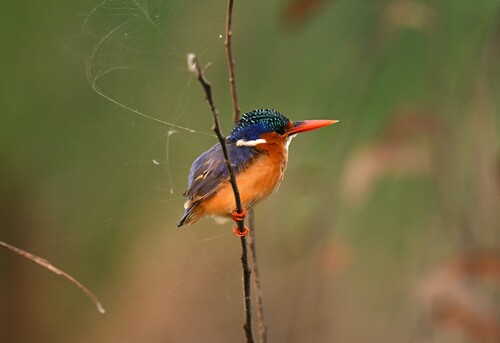 pica-peixinho-de-poupa
 african dwarf kingfisher
Em resumo
A marca de campo mais confiável entre o pica-peixinho-de-poupa e o african dwarf kingfisher é a presença de uma curta crista azul e preta no pica-peixinho, que está ausente no african dwarf. Ambos são pequenos, com cores brilhantes, mas o pica-peixinho é ligeiramente maior e mais frequentemente visto perto de água aberta, enquanto o african dwarf kingfisher prefere florestas densas. Os juvenis do pica-peixinho são mais apagados, mas ainda mostram a crista, enquanto ambas as espécies têm partes inferiores ruivas e partes superiores azuis, tornando a atenção cuidadosa ao padrão da cabeça e ao habitat essencial. A cor do bico e das pernas também ajuda, especialmente em adultos.
Dicas de identificação
- Presença da crista: O pica-peixinho-de-poupa sempre mostra uma curta crista azul e preta, mesmo em juvenis; o african dwarf kingfisher não possui crista. Esta é a marca mais confiável se você conseguir uma boa visão da cabeça.
- Cor do bico: O adulto do pica-peixinho tem um bico laranja-avermelhado, enquanto os juvenis têm um bico preto; o african dwarf geralmente tem um bico escuro em todas as idades. A cor do bico é útil, mas tenha cuidado com os jovens pica-peixinhos.
- Cor das pernas: As pernas do pica-peixinho são vermelhas brilhantes; a cor das pernas do african dwarf não é especificada nas notas, mas geralmente é mais apagada nos guias de campo. Use com cautela.
- Tamanho e jizz: O pica-peixinho é ligeiramente maior e mais robusto com um bico mais longo, mas ambos são muito pequenos. O tamanho é melhor utilizado em comparação direta ou com experiência.
- Padrão da cabeça: Procure pela crista azul e preta no pica-peixinho; o african dwarf tem uma coroa lisa e arredondada sem crista.
- Cor das partes superiores: Ambos são azul brilhante acima, mas o azul do pica-peixinho é mais metálico e pode mostrar listras pretas ou um tom esverdeado na testa; o african dwarf é azul, mas não possui a crista listrada.
- Partes inferiores: Ambos têm partes inferiores ruivas e branco na garganta, então isso não é um separador útil.
- Garganta e pescoço: O pica-peixinho mostra uma mancha branca na garganta e branco nas laterais do pescoço traseiro, que pode ser menos distinto no african dwarf.
- Habitat: O pica-peixinho está quase sempre perto de água aberta, juncos ou riachos lentos; o african dwarf é um especialista do interior da floresta e raramente é visto em habitats aquáticos abertos.
- Comportamento de empoleiramento: O pica-peixinho empoleira-se ereto, com a cauda para baixo, muitas vezes em aberto; o african dwarf é mais discreto e permanece em cobertura densa.
- Voo: O voo do pica-peixinho é rápido e baixo sobre a água, com asas arredondadas e zumbidoras; o voo do african dwarf é menos frequentemente observado, mas geralmente ocorre dentro da vegetação densa da floresta.
- Confusão juvenil: O juvenil do pica-peixinho é mais apagado, mas ainda tem crista; os juvenis do african dwarf também são apagados, mas nunca mostram crista.
- Diferenças sexuais: Ambas as espécies são sexualmente semelhantes, então o sexo não é um separador útil.
- Estação: Ambas as espécies são residentes; o movimento sazonal não é uma marca de campo confiável.
- Armadilha: Não confie apenas no tamanho ou na cor das partes inferiores; concentre-se na crista, na cor do bico e, especialmente, no contexto do habitat para a separação mais confiável.
Tamanho
O pica-peixinho-de-poupa é ligeiramente maior, com um comprimento de cerca de 13–14 cm dependendo da região, em comparação com o african dwarf kingfisher, que é menor e mais leve (massa corporal ~10,3 g [wikidata]). No campo, o pica-peixinho pode parecer visivelmente mais robusto e com bico mais longo, mas ambos estão entre os menores pica-peixinhos da África. O tamanho sozinho nem sempre é confiável, a menos que ambas as espécies sejam vistas juntas, mas o corpo ligeiramente mais longo do pica-peixinho e o jizz mais pesado podem ser aparentes com experiência.
Plumagem
- Pássaros juvenis/imaturos: Ambas as espécies têm versões mais apagadas da plumagem adulta como juvenis. Os juvenis do pica-peixinho são especificamente notados como mais apagados, mas ainda mostram a curta crista azul e preta, que está ausente no african dwarf kingfisher em todas as idades. Nenhum padrão distintivo de asa superior juvenil é descrito para qualquer uma das espécies, então concentre-se no padrão da cabeça e na coloração geral.
- Adultos: O pica-peixinho-de-poupa mostra partes superiores azul metálico brilhante, uma curta crista azul e preta, face e partes inferiores ruivas, mancha branca na garganta e branco nas laterais do pescoço traseiro. O bico é laranja-avermelhado em adultos (preto em juvenis), e as pernas são vermelhas brilhantes. O african dwarf kingfisher também tem partes superiores azuis e partes inferiores ruivas, mas não possui a crista e tem um bico proporcionalmente mais curto. Ambos os sexos são semelhantes em ambas as espécies.
- Cor do bico: O bico do pica-peixinho é preto em juvenis, laranja-avermelhado em adultos; a cor do bico do african dwarf não é detalhada nas notas, mas geralmente é escura nos guias de campo.
Comportamento
O pica-peixinho-de-poupa é frequentemente visto empoleirado ereto em juncos baixos ou galhos sobre a água, com a cauda apontada para baixo, e faz voos rápidos e baixos sobre lagoas e riachos lentos. Ele usa poleiros regulares para pescar e retorna rapidamente após mergulhar. O comportamento do african dwarf kingfisher é menos detalhado nas notas, mas geralmente é mais discreto, forrageando na vegetação densa da floresta e menos provável de ser visto em aberto ou sobre a água. O comportamento do pica-peixinho é mais conspícuo e ligado a habitats aquáticos abertos.
Habitat
O pica-peixinho-de-poupa está fortemente associado a juncos e vegetação aquática perto de água de movimento lento ou lagoas, e é amplamente distribuído pela África Subsaariana, exceto nas regiões mais secas. O african dwarf kingfisher, em contraste, é uma espécie de floresta, tipicamente encontrada em florestas densas e sombreadas e raramente perto de água aberta. Se você ver um pequeno pica-peixinho no interior da floresta, especialmente longe da água, é muito mais provável que seja um african dwarf; se estiver em juncos ou margens de água aberta, o pica-peixinho é o padrão.
pica-peixinho-de-poupa · african dwarf kingfisher · Minhas aves difíceis