

Motmot

カンムリカワセミ 対 コビトカワセミ

Corythornis cristatus 対 Ispidina lecontei

カンムリカワセミとコビトカワセミのクイズ
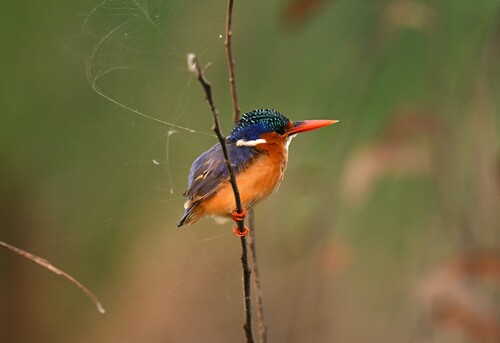
カンムリカワセミ (Corythornis cristatus) カンムリカワセミ
コビトカワセミ (Ispidina lecontei) コビトカワセミ

メディア

読み込み中…

要点

マラカイトカワセミとコビトカワセミの最も信頼できるフィールドマークは、マラカイトに短い青と黒の冠があることで、コビトカワセミにはそれがありません。どちらも小さく、鮮やかな色のカワセミですが、マラカイトの方がやや大きく、開けた水辺でよく見られ、コビトカワセミは密な森林を好みます。幼鳥のマラカイトカワセミは地味ですが、依然として冠を示し、両種とも似たような赤褐色の腹部と青い背部を持っているため、頭の模様と生息地に注意を払うことが重要です。くちばしと脚の色も役立ちます、特に成鳥において。

識別のコツ

  1. Crest presence: マラカイトカワセミは常に短い青と黒の冠を示し、幼鳥でもそうです; コビトカワセミには冠がありません。これは頭をはっきり見ることができた場合の最も信頼できるマークです。
  2. Bill color: 成鳥のマラカイトは赤橙色のくちばしを持ち、幼鳥は黒いくちばしを持っています; コビトカワセミは通常、すべての年齢で暗いくちばしを持っています。くちばしの色は役立ちますが、若いマラカイトには注意が必要です。
  3. Leg color: マラカイトの脚は鮮やかな赤です; コビトカワセミの脚の色はメモに指定されていませんが、通常はフィールドガイドでは地味です。注意して使用してください。
  4. Size and jizz: マラカイトはやや大きく、がっしりとしていて、くちばしが長いですが、どちらも非常に小さいです。サイズは直接比較や経験を通じて最もよく使用されます。
  5. Head pattern: マラカイトの青と黒の冠を探してください; コビトカワセミは滑らかで丸い冠を持ち、冠はありません。
  6. Upperparts color: 両者とも上面は鮮やかな青ですが、マラカイトの青はより金属的で、額に黒い帯状模様や緑がかった色合いを示すことがあります; コビトカワセミは青ですが、帯状の冠はありません。
  7. Underparts: 両者とも赤褐色の腹部と喉に白がありますので、これは有用な区別にはなりません。
  8. Throat and neck: マラカイトは白い喉の斑点と後ろの首の側面に白を示し、コビトカワセミではそれがあまり明確でない場合があります。
  9. Habitat: マラカイトはほぼ常に開けた水、葦、または緩やかな流れの近くにいます; コビトカワセミは森林の内部の専門家であり、開けた水生生息地ではめったに見られません。
  10. Perching behavior: マラカイトは直立して尾を下にして、しばしば開けた場所に止まります; コビトカワセミはより秘密主義で、密なカバーに留まります。
  11. Flight: マラカイトの飛行は迅速で水面近くを低く飛び、羽音を立てて丸い翼を持っています; コビトカワセミの飛行はあまり観察されませんが、通常は森林の下草の中にいます。
  12. Juvenile confusion: 幼鳥のマラカイトは地味ですが、依然として冠があります; コビトカワセミの幼鳥も地味ですが、冠を示すことはありません。
  13. Sex differences: 両種とも性別は非常に似ているため、性別は有用な区別にはなりません。
  14. Season: 両種とも常駐しており、季節的な移動は信頼できるフィールドマークではありません。
  15. Pitfall: サイズや腹部の色だけに依存しないでください; 最も信頼できる区別のために、冠、くちばしの色、特に生息地の文脈に焦点を当ててください。

大きさ

マラカイトカワセミはやや大きく、地域によって約13〜14 cmの長さがあり、コビトカワセミはより小さく軽量です(体重約10.3 g [wikidata])。フィールドでは、マラカイトは目に見えてがっしりとしていて、くちばしが長く見えることがありますが、どちらもアフリカで最も小さなカワセミの一つです。サイズだけでは信頼できないことが多いですが、両種が一緒に見られる場合は、マラカイトのやや長い体と重い印象が経験によって明らかになることがあります。

羽色

行動

マラカイトカワセミはしばしば水の上の低い葦や枝に直立して止まり、尾を下に向け、池や緩やかな流れの上を迅速に低く飛びます。釣りのために定期的に止まり、潜水後はすぐに戻ります。コビトカワセミの行動はメモに詳しく記載されていませんが、一般的により秘密主義で、密な森林の下草で採餌し、開けた場所や水の上で見られる可能性は低いです。マラカイトの行動はより目立ち、開けた水生生息地に結びついています。

生息環境

マラカイトカワセミは、緩やかな流れや池の近くの葦や水生植物と強く関連しており、サハラ以南のアフリカ全体に広がっていますが、最も乾燥した地域を除きます。対照的に、コビトカワセミは森林の種であり、通常は密で日陰のある森林に見られ、開けた水の近くではめったに見られません。特に水から離れた森林の内部で小さなカワセミを見た場合、コビトカワセミの可能性が高く、葦や開けた水辺にいる場合はマラカイトがデフォルトです。

より良い説明を送る

比較と同じ項目を使ってください。文章はすぐに公開されます。

The most reliable field mark between Malachite Kingfisher and African Dwarf Kingfisher is the presence of a short blue-and-black crest on the Malachite, which is absent in the African Dwarf. Both are tiny, brilliantly colored kingfishers, but Malachite is slightly larger and more often seen near open water, while African Dwarf Kingfisher prefers dense forest. Juvenile Malachite Kingfishers are duller but still show the crest, while both species have similar rufous underparts and blue upperparts, making careful attention to head pattern and habitat essential. Bill and leg color also help, especially in adults.

  1. Crest presence: Malachite Kingfisher always shows a short blue-and-black crest, even in juveniles; African Dwarf Kingfisher lacks any crest. This is the single most reliable mark if you get a clear look at the head.
  2. Bill color: Adult Malachite has a reddish-orange bill, while juveniles have a black bill; African Dwarf typically has a dark bill at all ages. Bill color is useful but be cautious with young Malachites.
  3. Leg color: Malachite's legs are bright red; African Dwarf's leg color is not specified in the notes but is usually duller in field guides. Use with caution.
  4. Size and jizz: Malachite is slightly larger and bulkier with a longer bill, but both are very small. Size is best used in direct comparison or with experience.
  5. Head pattern: Look for the blue-and-black crest on Malachite; African Dwarf has a smooth, rounded crown with no crest.
  6. Upperparts color: Both are bright blue above, but Malachite's blue is more metallic and may show black banding or greenish tinge on the forehead; African Dwarf is blue but lacks the banded crest.
  7. Underparts: Both have rufous underparts and white on the throat, so this is not a useful separator.
  8. Throat and neck: Malachite shows a white throat patch and white on the rear neck sides, which may be less distinct in African Dwarf.
  9. Habitat: Malachite is almost always near open water, reeds, or slow streams; African Dwarf is a forest interior specialist and rarely seen in open aquatic habitats.
  10. Perching behavior: Malachite perches upright, tail down, often in the open; African Dwarf is more secretive and stays in dense cover.
  11. Flight: Malachite's flight is rapid and low over water, with whirring, rounded wings; African Dwarf's flight is less often observed but is typically within forest undergrowth.
  12. Juvenile confusion: Juvenile Malachite is duller but still crested; African Dwarf juveniles are also dull but never show a crest.
  13. Sex differences: Both species are sexually similar, so sex is not a useful separator.
  14. Season: Both species are resident; seasonal movement is not a reliable field mark.
  15. Pitfall: Do not rely solely on size or underpart color; focus on crest, bill color, and especially habitat context for the most reliable separation.

Malachite Kingfisher is slightly larger, with a length of about 13–14 cm depending on region, compared to the African Dwarf Kingfisher, which is smaller and lighter (body mass ~10.3 g [wikidata]). In the field, Malachite can look noticeably bulkier and longer-billed, but both are among the smallest kingfishers in Africa. Size alone is not always reliable unless both species are seen together, but Malachite's slightly longer body and heavier jizz can be apparent with experience.

  • Juvenile/immature birds: Both species have duller versions of the adult plumage as juveniles. Malachite Kingfisher juveniles are specifically noted as duller but still show the short blue-and-black crest, which is absent in African Dwarf Kingfisher at all ages. No distinctive juvenile upperwing pattern is described for either species, so focus on head pattern and overall coloration.
  • Adults: Malachite Kingfisher shows bright metallic blue upperparts, a short blue-and-black crest, rufous face and underparts, white throat patch, and white on the rear neck sides. The bill is reddish-orange in adults (black in juveniles), and legs are bright red. African Dwarf Kingfisher also has blue upperparts and rufous underparts but lacks the crest and has a proportionally shorter bill. Both sexes are similar in both species.
  • Bill color: Malachite's bill is black in juveniles, reddish-orange in adults; African Dwarf's bill color is not detailed in the notes but is typically dark in field guides.

Malachite Kingfisher is often seen perched upright on low reeds or branches over water, tail pointed down, and makes rapid, low flights over ponds and slow streams. It uses regular perches for fishing and returns quickly after diving. African Dwarf Kingfisher's behavior is less detailed in the notes, but it is generally more secretive, foraging in dense forest undergrowth and less likely to be seen in open or over water. Malachite's behavior is more conspicuous and tied to open aquatic habitats.

Malachite Kingfisher is strongly associated with reeds and aquatic vegetation near slow-moving water or ponds, and is widespread across Sub-Saharan Africa except for the driest regions. African Dwarf Kingfisher, by contrast, is a forest species, typically found in dense, shaded woodland and rarely near open water. If you see a tiny kingfisher in a forest interior, especially away from water, African Dwarf is much more likely; if it is in reeds or open water margins, Malachite is the default.

変更を破棄しますか?

保存していない編集があります。今離れると失われます。

カンムリカワセミ · コビトカワセミ · 苦手な鳥