

petinha-de-bico-comprido vs milheirinha-europeia
Anthus similis versus Serinus serinus
Jogue um quiz com petinha-de-bico-comprido e milheirinha-europeia
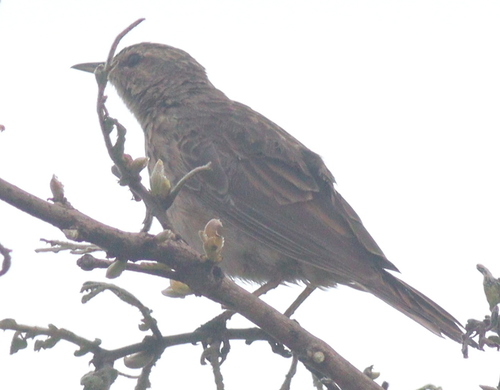 petinha-de-bico-comprido
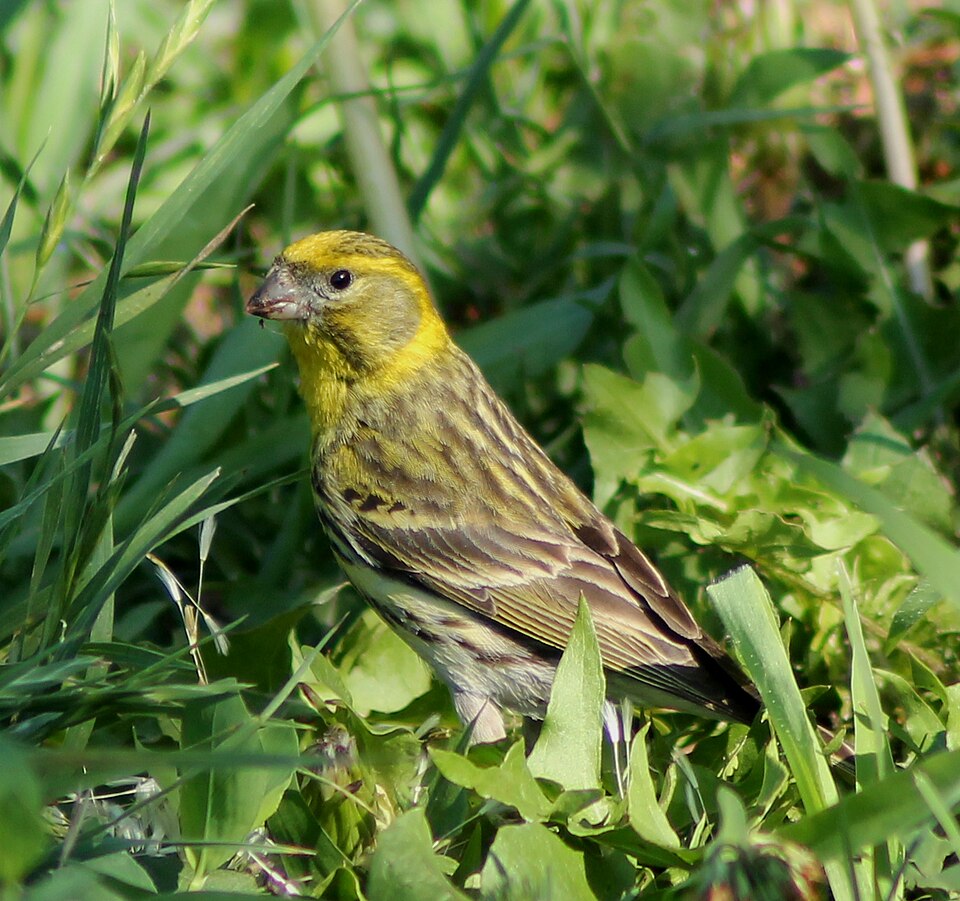 milheirinha-europeia
Em resumo
A maneira mais confiável de separar a petinha-de-bico-comprido da milheirinha-europeia é pela estrutura: a petinha é muito maior, com cauda mais longa e um bico longo e escuro, enquanto a milheirinha é minúscula, com cauda curta e bico de tentilhão. Em todas as plumagens, a petinha-de-bico-comprido é cinza-areia por cima e pálida por baixo, sem os tons amarelos brilhantes e listras pesadas da milheirinha. Em voo ou empoleirada, a rabadilha amarela e as barras alares da milheirinha são distintas, especialmente nos machos, enquanto a petinha é simples e não possui amarelo. A voz também é muito diferente: a petinha emite um chamado 'chupp' e uma canção lenta e variada, enquanto a canção da milheirinha é um trinado rápido e zumbidor. Mesmo à distância, o tamanho, o comprimento da cauda e a coloração geral geralmente são suficientes para evitar confusão.
Dicas de identificação
- Tamanho e forma: A petinha-de-bico-comprido é muito maior e com cauda mais longa do que a milheirinha-europeia; isso é óbvio mesmo à distância ou em voo. A milheirinha é minúscula, compacta e com cauda curta.
- Forma do bico: A petinha tem um bico longo, esbelto e escuro, típico de insetívoros; a milheirinha tem um bico curto e cônico de tentilhão para comer sementes. A forma do bico é diagnóstica à curta distância.
- Comprimento da cauda: A cauda da petinha é notavelmente longa e frequentemente balança; a cauda da milheirinha é curta e quadrada.
- Cor da plumagem: A petinha é cinza-areia por cima e pálida por baixo, com poucas ou nenhuma listras e sem amarelo. A milheirinha é cinza-esverdeada por cima, fortemente listrada, com uma rabadilha amarela e amarelo no rosto, peito, barras alares e lados da cauda (especialmente nos machos).
- Barras alares: A milheirinha apresenta barras alares amarelas (melhor nos machos), ausentes na petinha.
- Cor da rabadilha: A rabadilha amarela da milheirinha é conspícua em voo e quando empoleirada; a rabadilha da petinha é simples e combina com as costas.
- Listras na parte inferior: A milheirinha tem listras pesadas no peito e flancos; a petinha é simples ou apenas levemente listrada por baixo.
- Diferenças sexuais: Os machos da milheirinha são mais amarelos; as fêmeas e juvenis são mais apagados, mas ainda mostram rabadilha amarela e listras. A petinha apresenta pouco dimorfismo sexual.
- Comportamento: A petinha anda ou corre no chão, raramente empoleira em árvores. A milheirinha é frequentemente vista flutuando entre árvores e arbustos, e raramente passa tempo no chão.
- Tamanho do bando: A milheirinha frequentemente está em pequenos bandos, especialmente fora da temporada de reprodução; a petinha geralmente está sozinha ou em pares.
- Habitat: A petinha em encostas abertas, rochosas, gramadas; a milheirinha em florestas, jardins, áreas cultivadas.
- Canção: A canção da petinha é lenta, zumbidora e variada; a da milheirinha é um trinado rápido e zumbidor.
- Chamado: A petinha emite um chamado 'chupp'; os chamados da milheirinha são mais agudos e mais semelhantes aos de tentilhão.
- Armadilhas: Os juvenis da milheirinha são mais apagados, mas ainda mostram rabadilha amarela e listras; a petinha nunca mostra amarelo ou barras alares. Em luz fraca, o amarelo da milheirinha pode ser menos óbvio, mas as listras e o tamanho ainda os separam.
- Quando em dúvida: Se o pássaro é listrado com qualquer amarelo, especialmente na rabadilha ou no rosto, é a milheirinha; se é simples, arenosa e com cauda longa, é a petinha.
Tamanho
A petinha-de-bico-comprido é uma petinha de tamanho médio-grande, com cerca de 16–17,5 cm de comprimento e pesando cerca de 23 g [wikidata], com uma cauda notavelmente longa e corpo alongado. A milheirinha-europeia é muito menor, com apenas 11–12 cm de comprimento, e é o menor tentilhão europeu; é compacta, com cauda curta e corpo muito mais leve. A diferença de tamanho e proporções é impressionante no campo, mesmo à distância ou em bandos mistos.
Plumagem
Nenhum sinal específico de asa ou de voo relacionado à idade é descrito para nenhuma das espécies, mas a plumagem geral é altamente contrastante. A petinha-de-bico-comprido de todas as idades é cinza-areia por cima e esbranquiçada ou pálida por baixo, com poucas listras e sem cores brilhantes. A milheirinha-europeia, mesmo em juvenis, apresenta partes superiores cinza-esverdeadas com listras escuras, uma rabadilha amarela e listras pesadas por baixo; os machos são mais amarelos no rosto, peito, barras alares e lados da cauda. As barras alares e a rabadilha amarela da milheirinha são visíveis em voo e quando empoleirada. A petinha não possui amarelo, barras alares ou listras fortes. Em resumo: a petinha é simples e em tons terrosos, a milheirinha é listrada com destaques amarelos óbvios.
Comportamento
A petinha-de-bico-comprido é tipicamente solitária ou em pares, andando ou correndo no chão em encostas abertas e rochosas com vegetação baixa. Seu voo é forte e direto. A milheirinha-europeia é muito mais ativa e frequentemente conspícua, sendo vista frequentemente em pequenos bandos fora da temporada de reprodução, flutuando entre arbustos e árvores, e frequentemente se alimentando em grupos mistos de tentilhões. A milheirinha é mais arbórea, enquanto a petinha está quase sempre no chão.
Habitat
A petinha-de-bico-comprido prefere encostas secas e abertas com rochas e vegetação esparsa, geralmente longe de árvores densas ou cultivo. A milheirinha-europeia prefere florestas abertas, áreas cultivadas e jardins, frequentemente com alguns coníferas ou arbustos, e é mais provável de ser encontrada em áreas com árvores e habitação humana. Se você vê o pássaro em uma paisagem rochosa e sem árvores, é mais provável que seja a petinha; em jardins, pomares ou bordas de florestas, a milheirinha é esperada.
Voz
A petinha-de-bico-comprido emite um chamado agudo 'chupp', reminiscente de uma cotovia do deserto, e sua canção é lenta e variada: 'sri...churr...sri...churr…'. A canção da milheirinha-europeia é um trinado rápido e zumbidor, muito mais musical e familiar em regiões mediterrâneas. A diferença é clara: a canção da petinha é lenta e zumbidora, a da milheirinha é rápida e zumbidora.
petinha-de-bico-comprido · milheirinha-europeia · Minhas aves difíceis